KIBOJO and the Catholic Faith
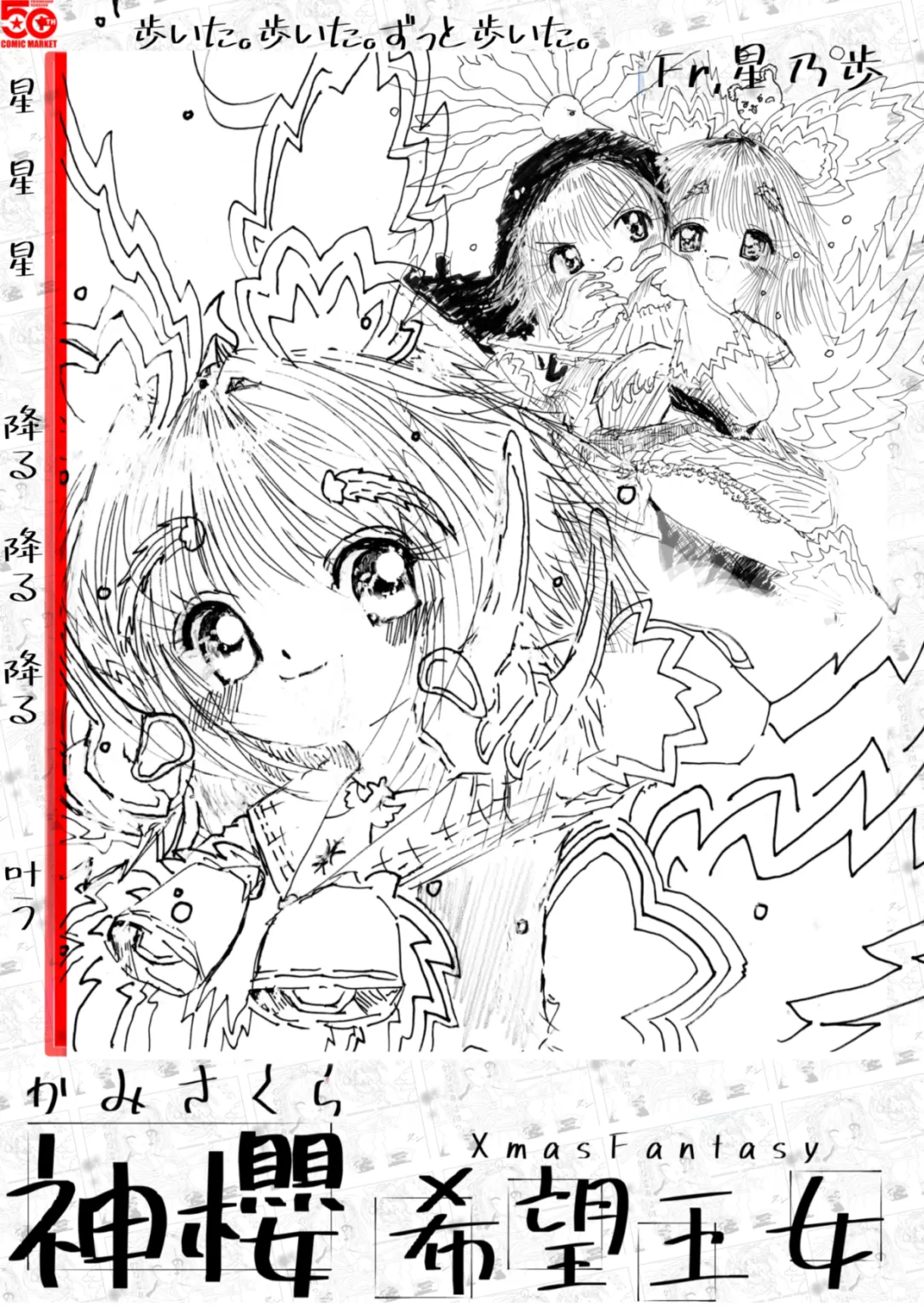
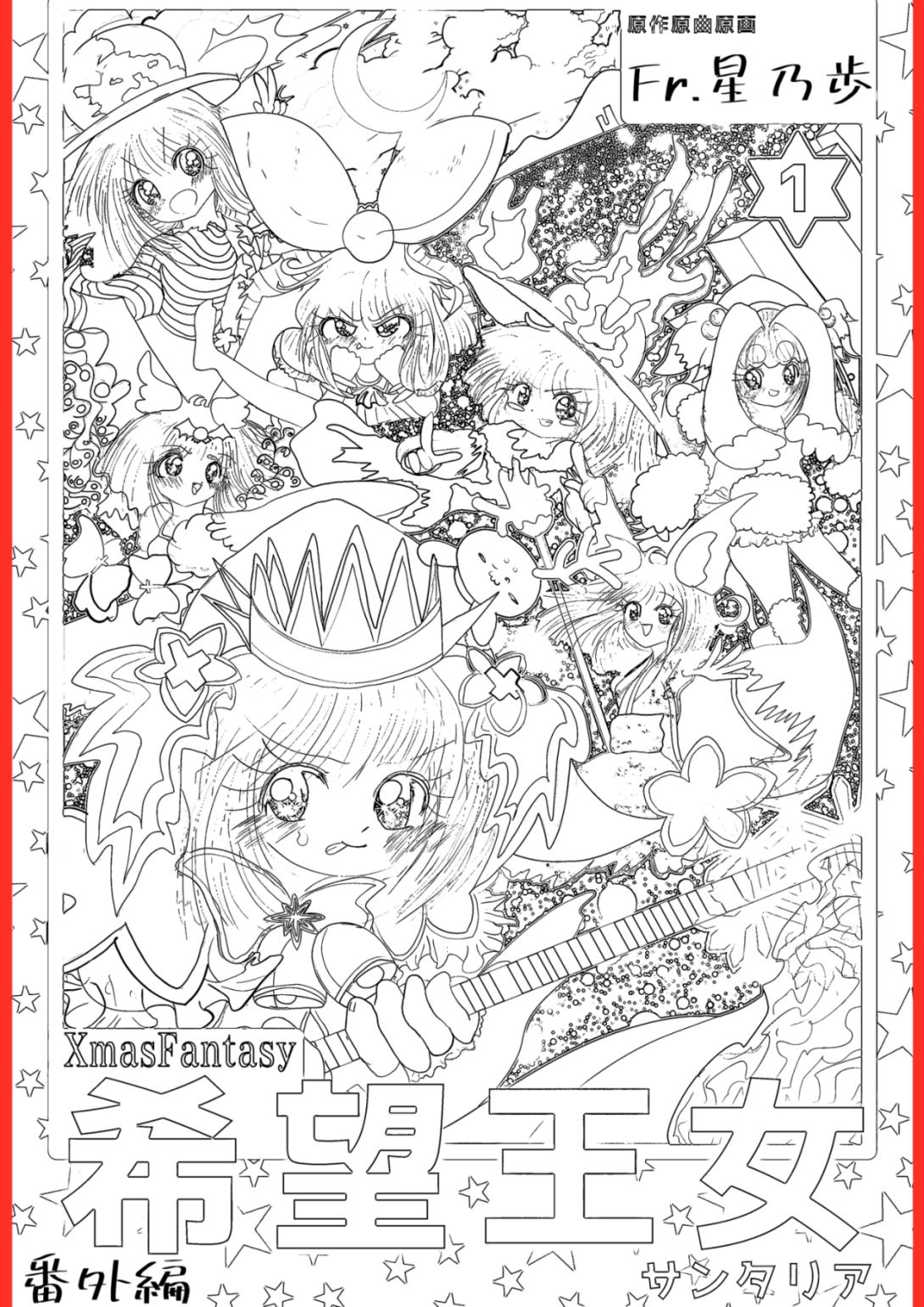
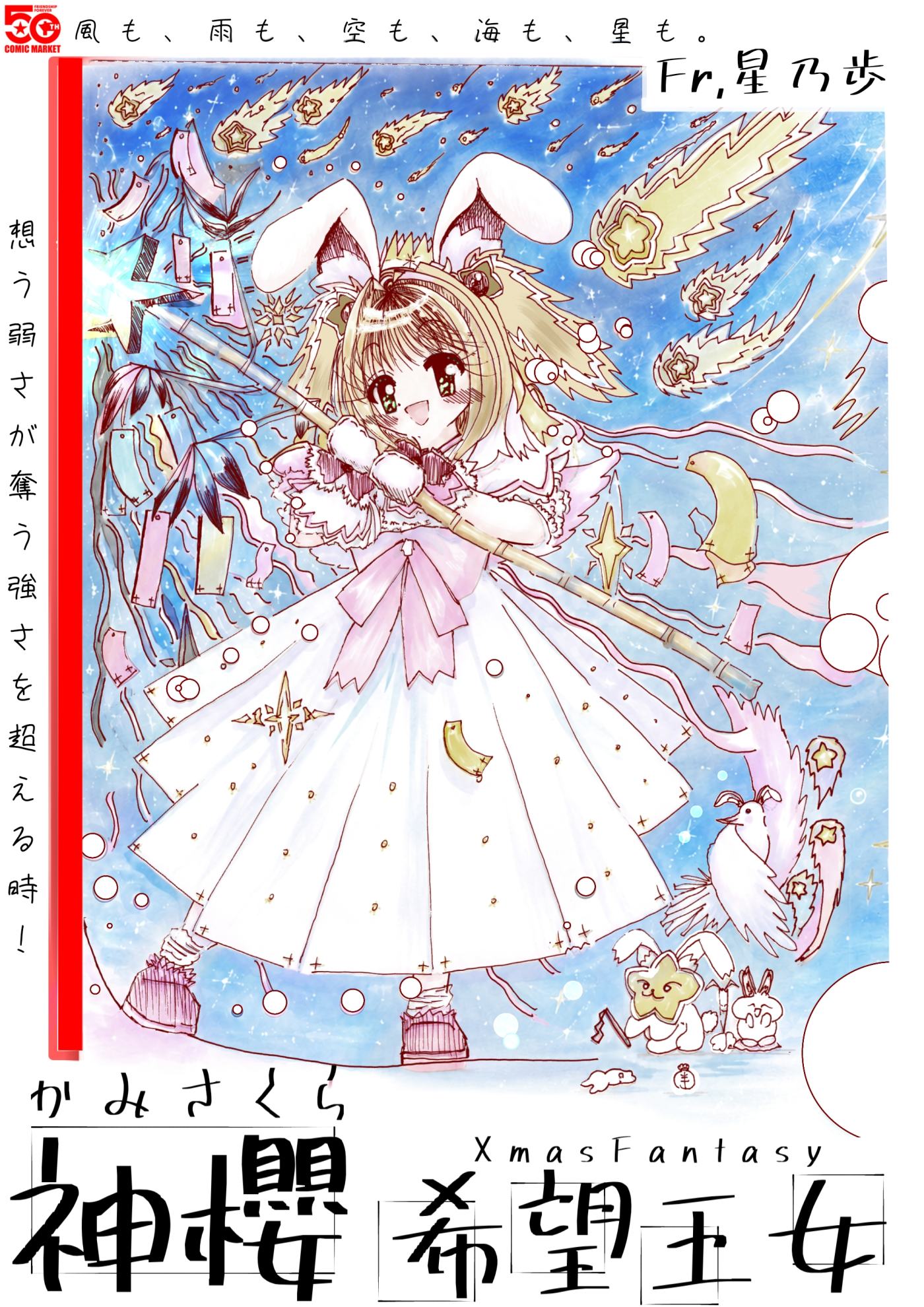
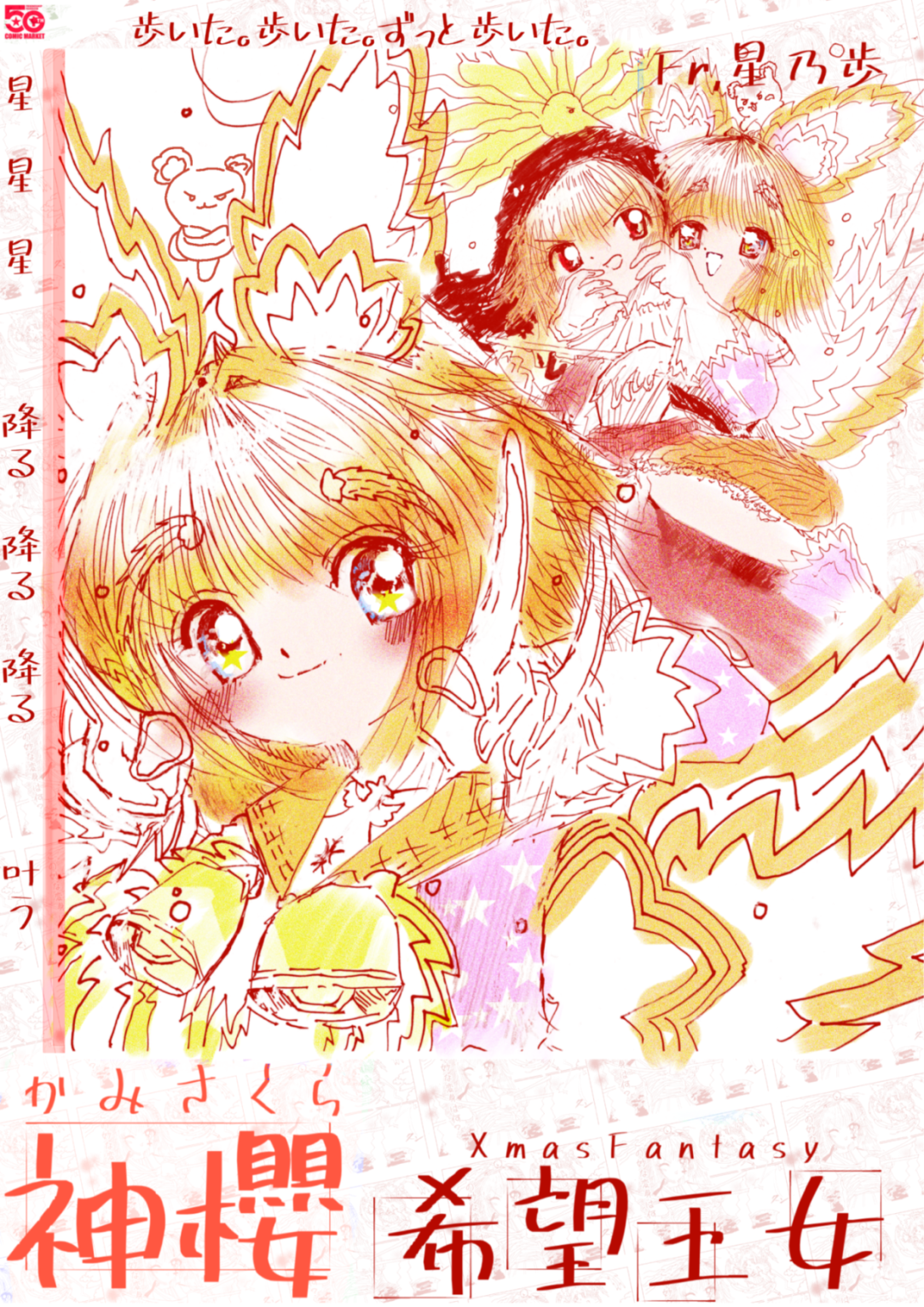
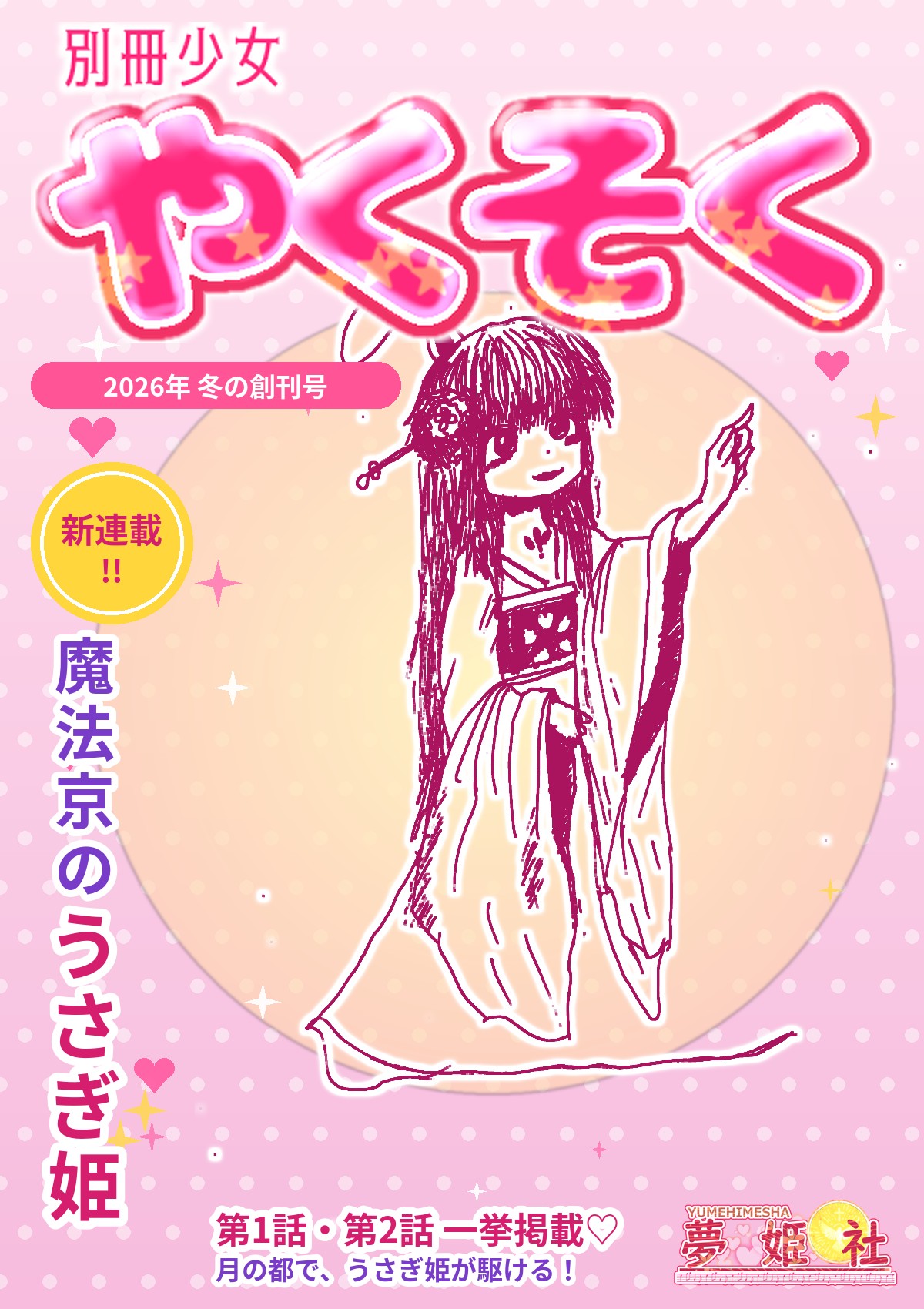
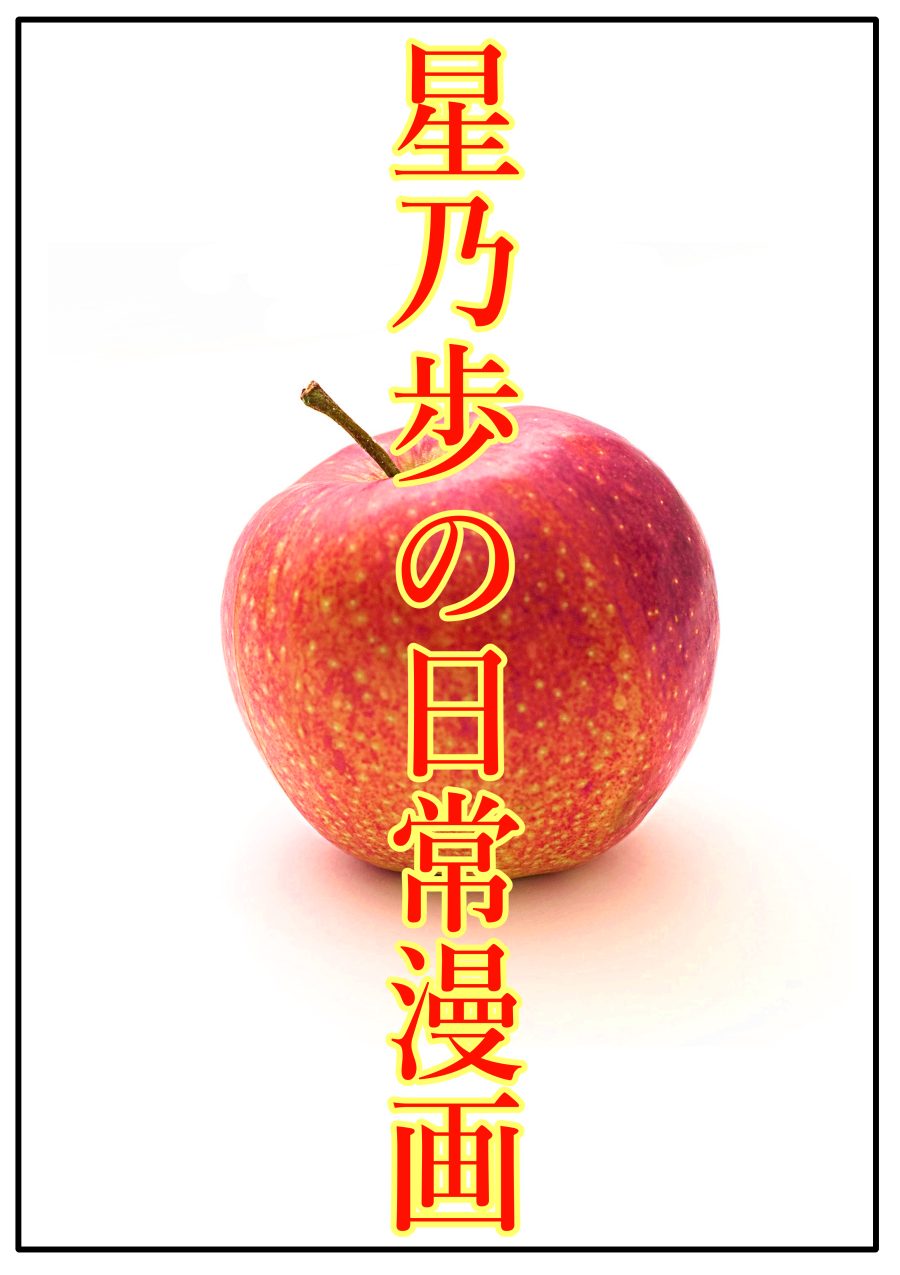
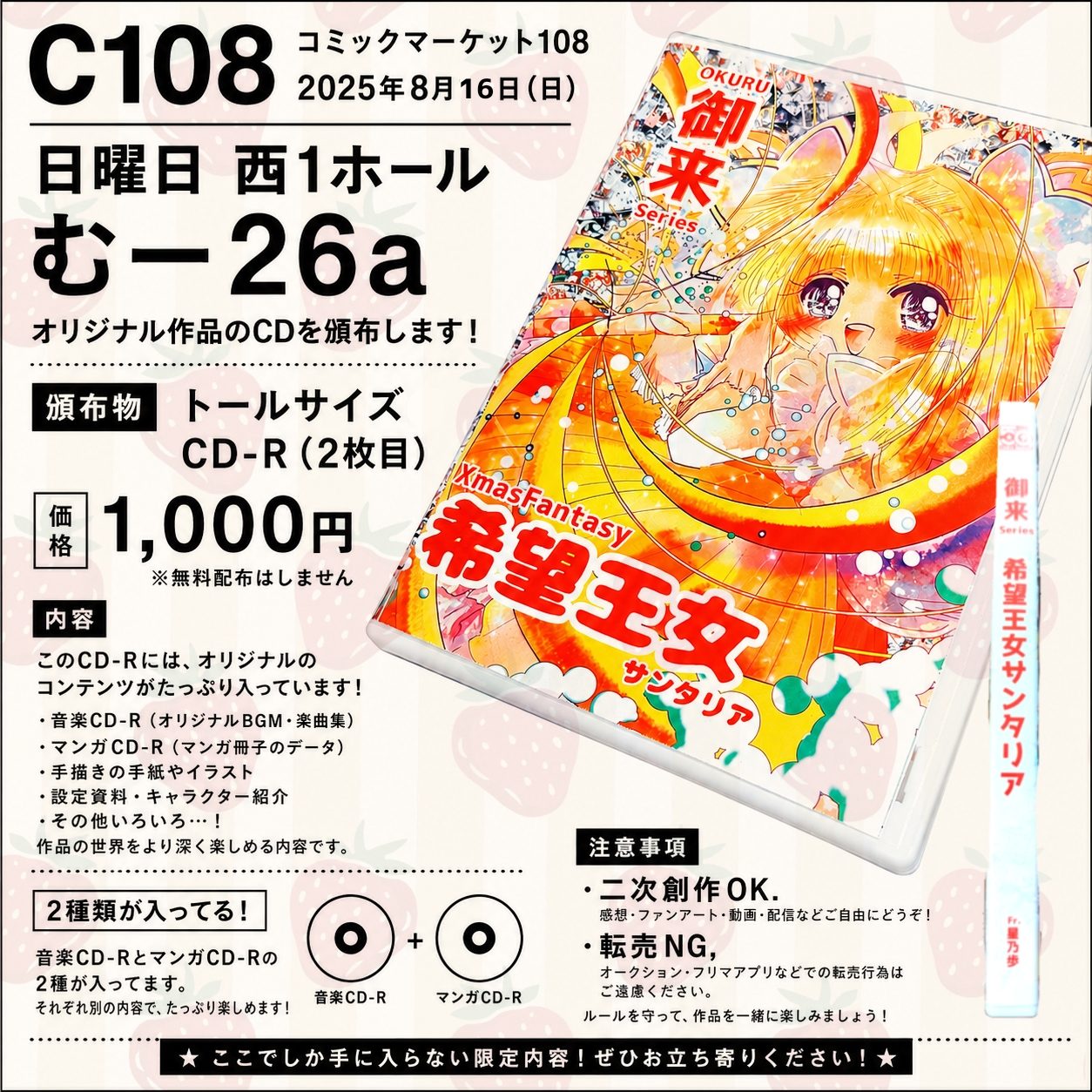
IHS Bethlehem Church is an honest, nonprofit church. Its principal work is KIBOJO (希望王女, “Princess of Hope”), the story of Princess Santaria, made as a church work of hope and peace under the light of the Star of Bethlehem.
What KIBOJO Is
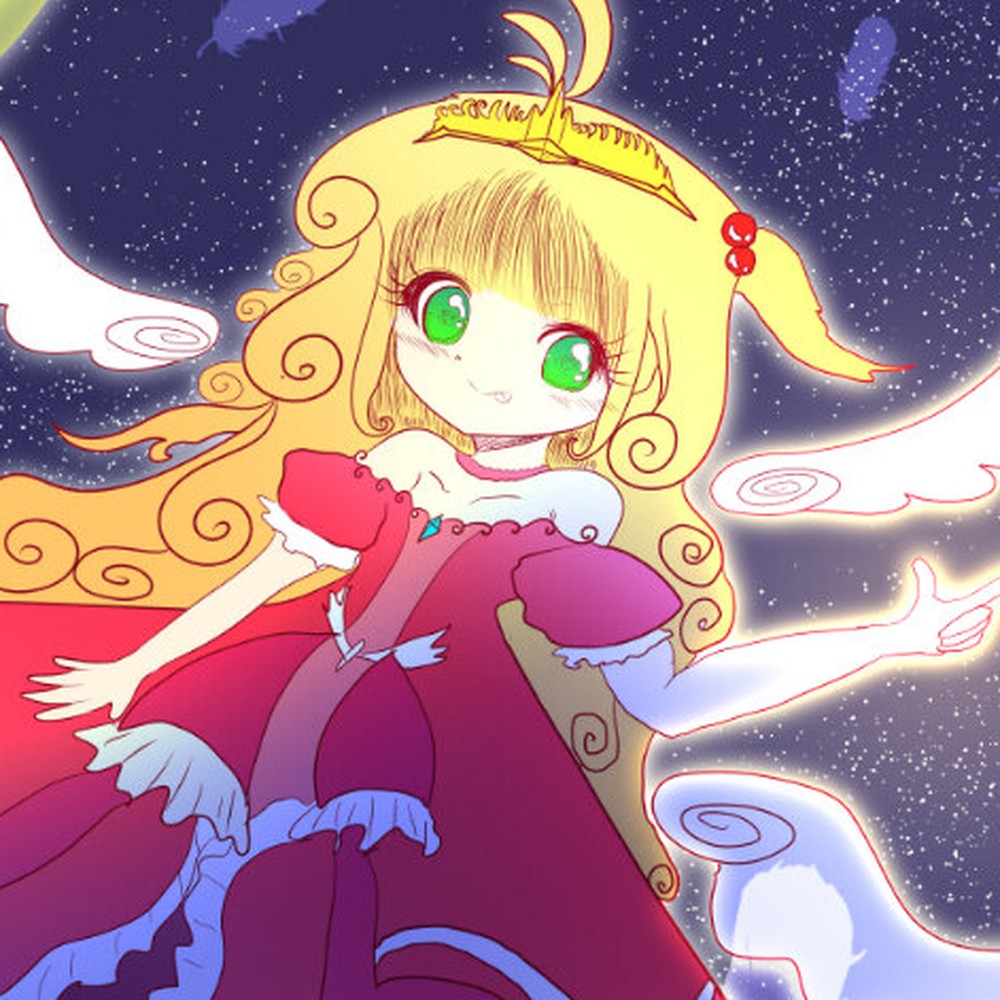
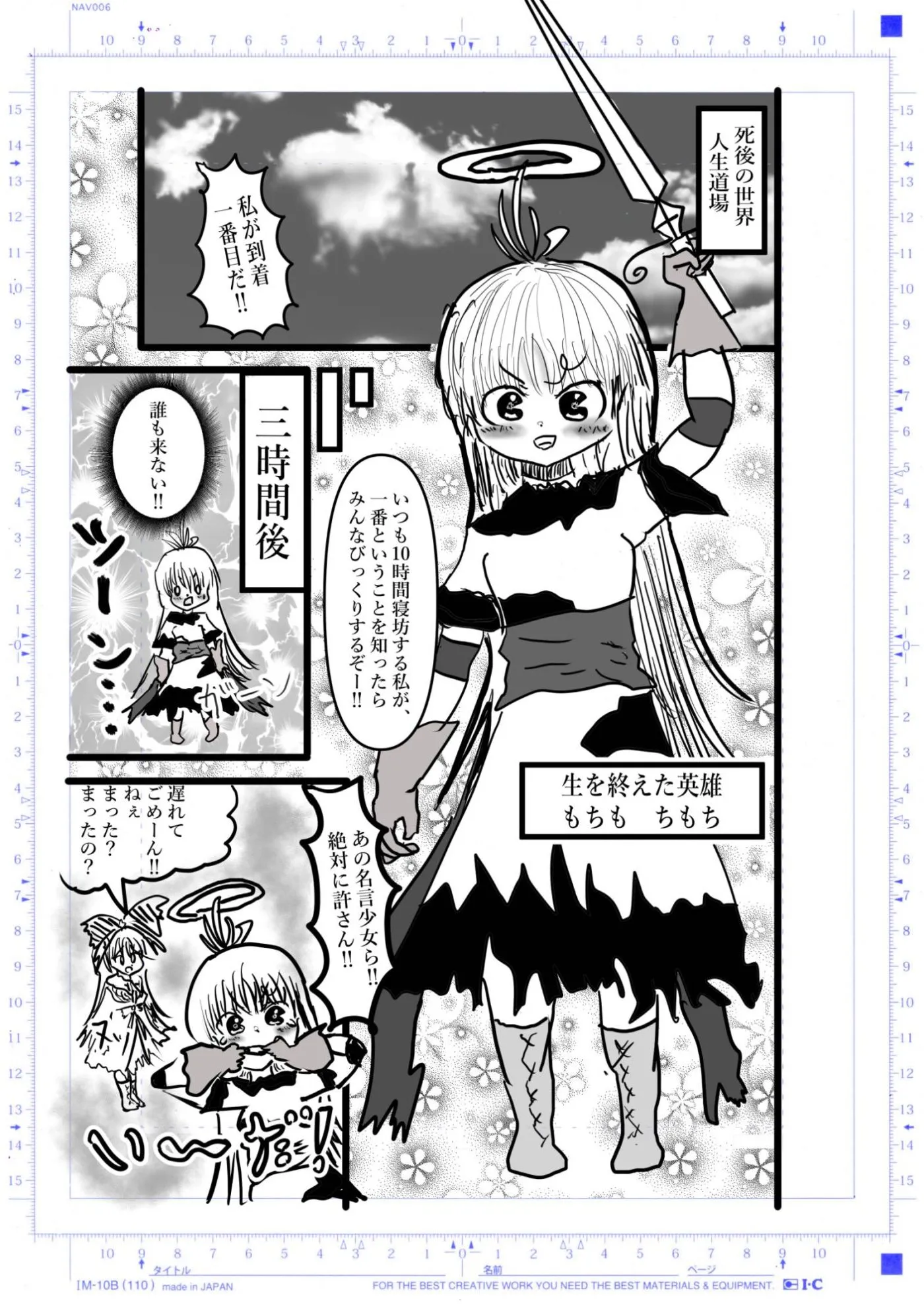
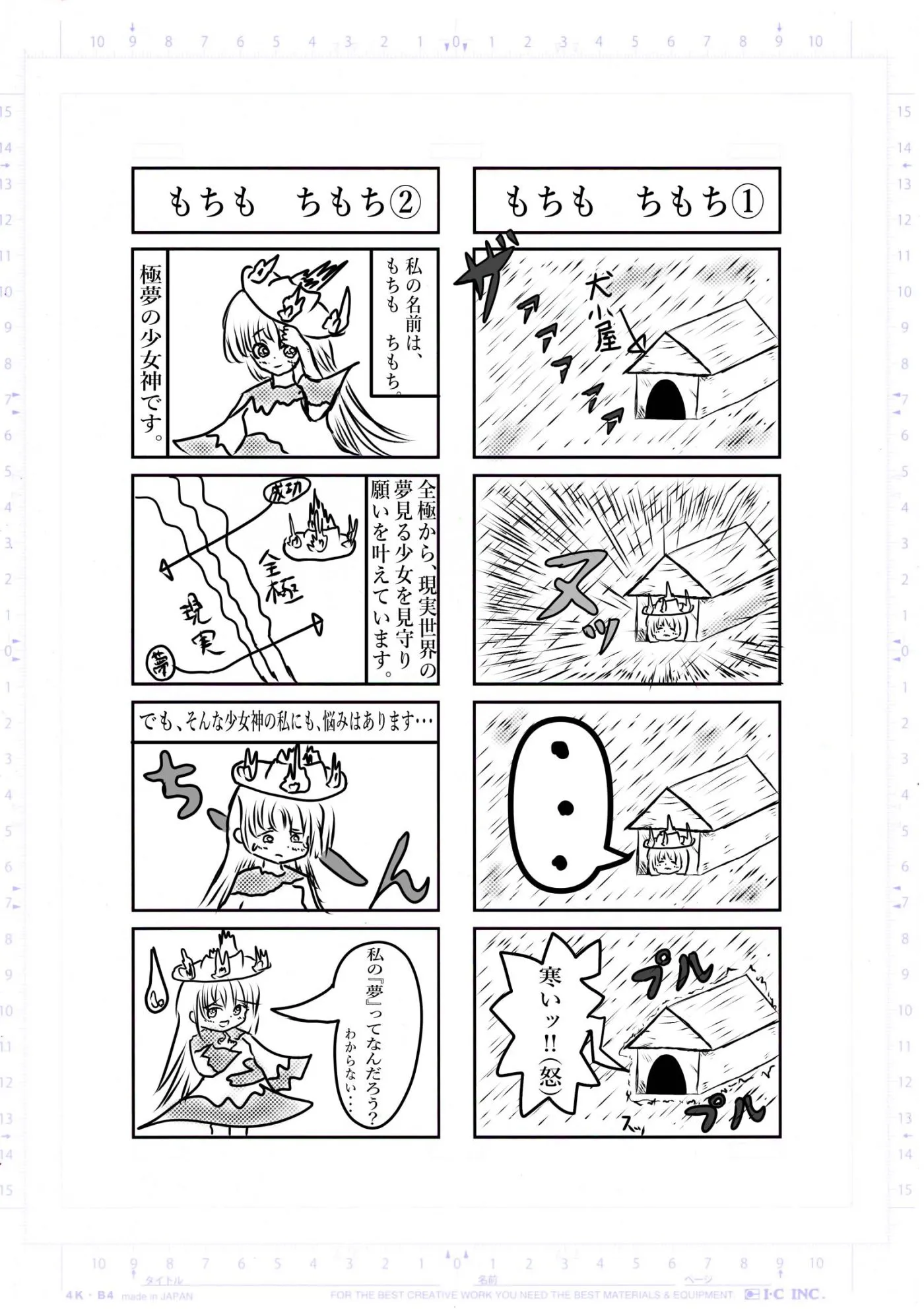
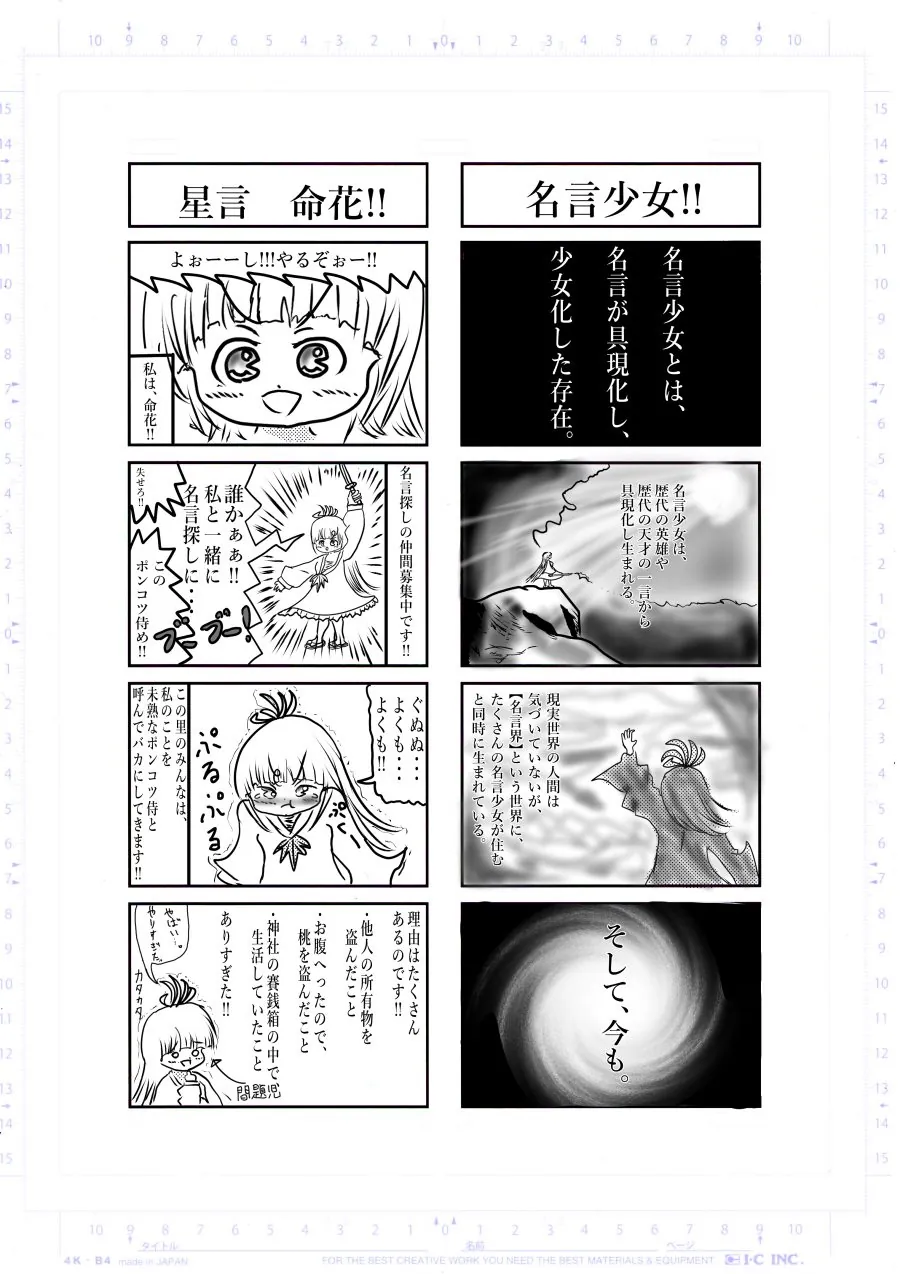
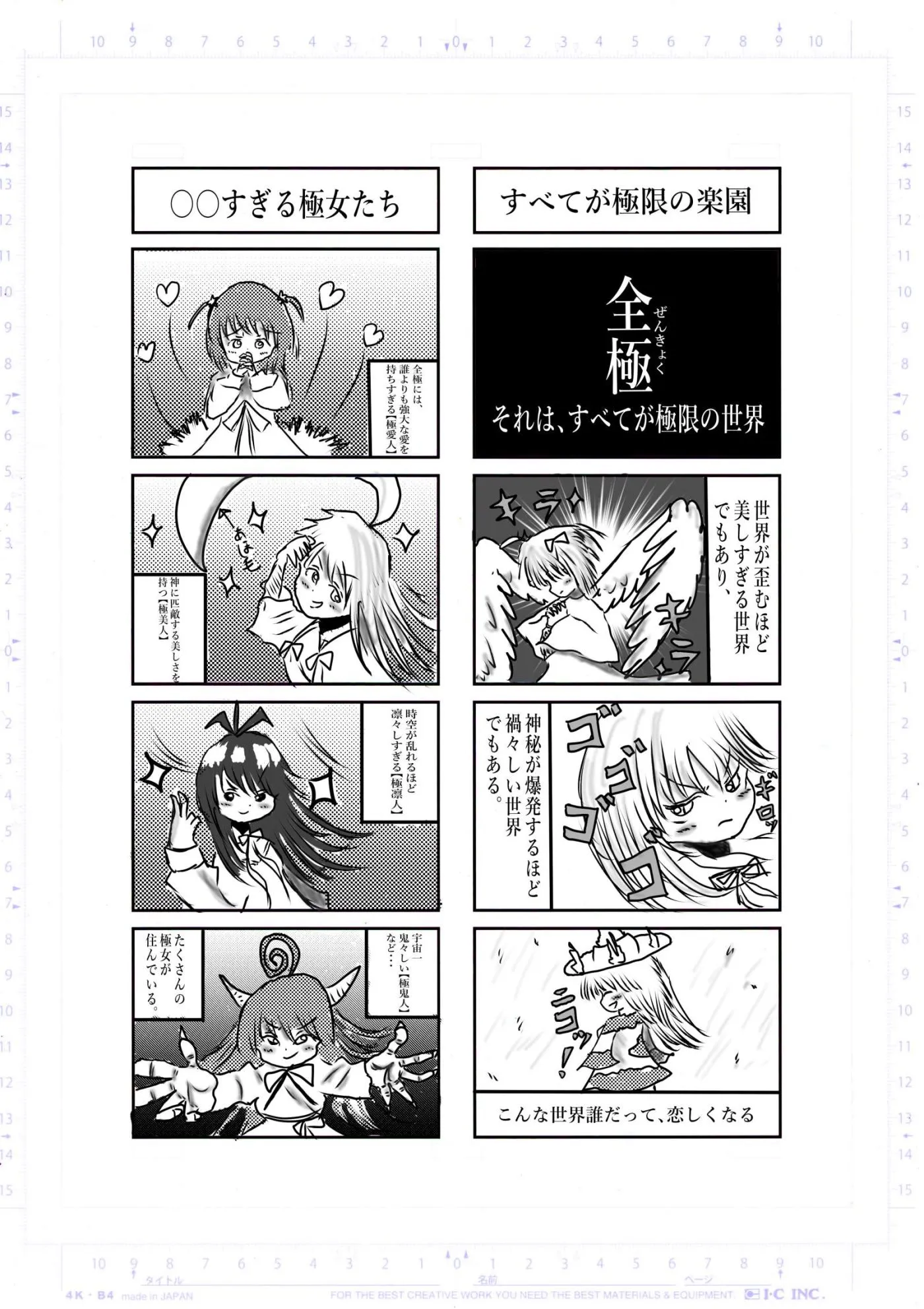
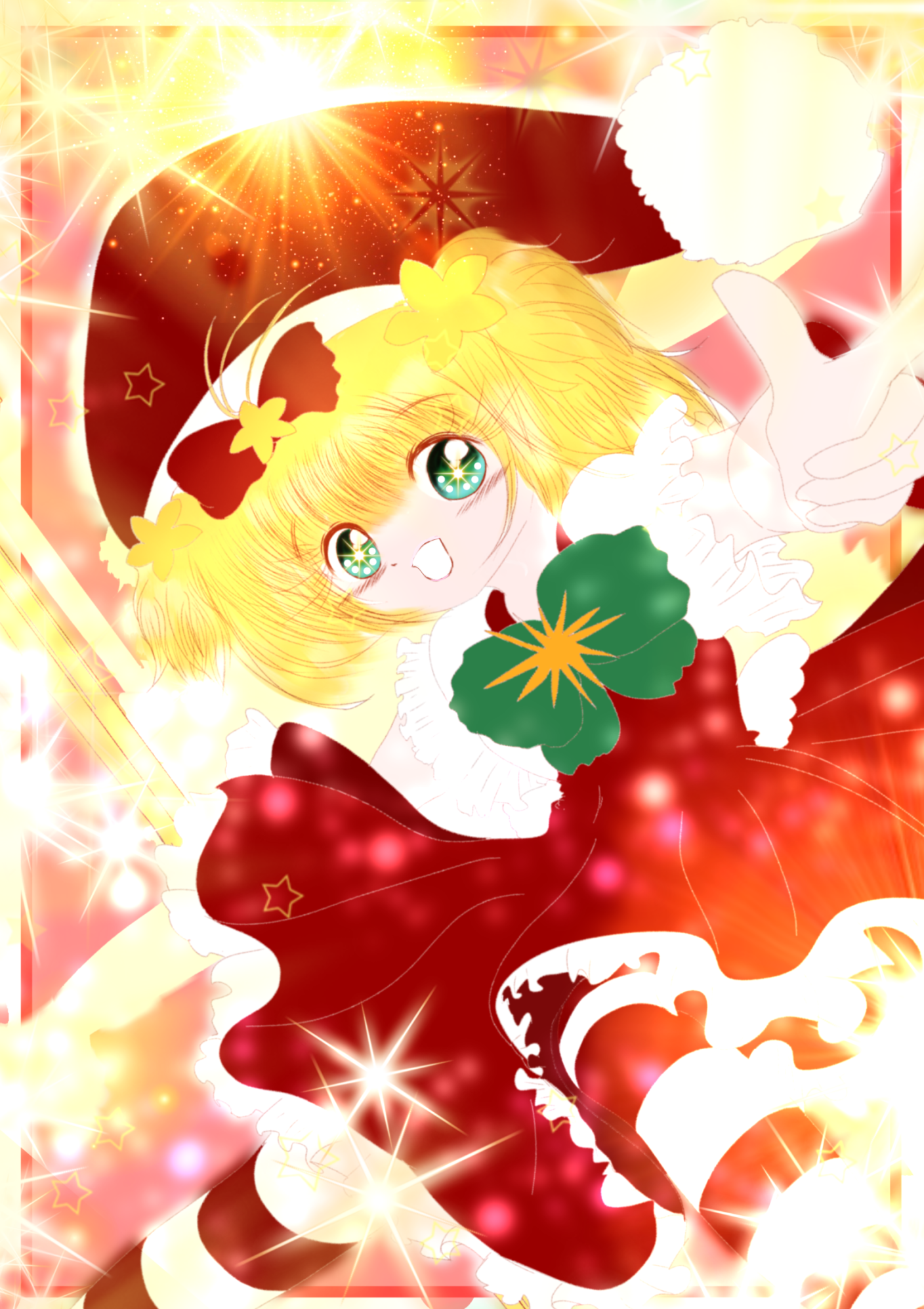
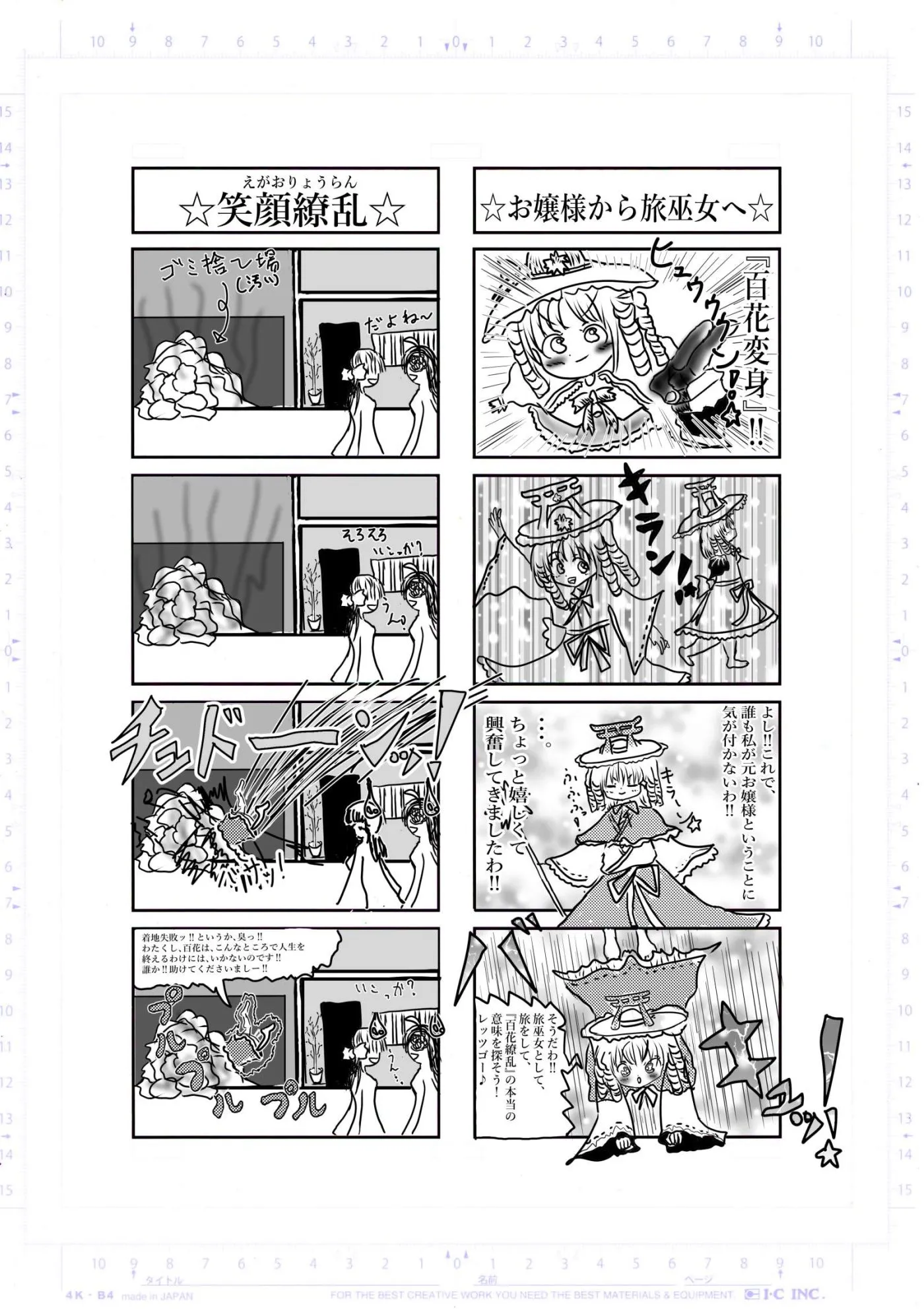
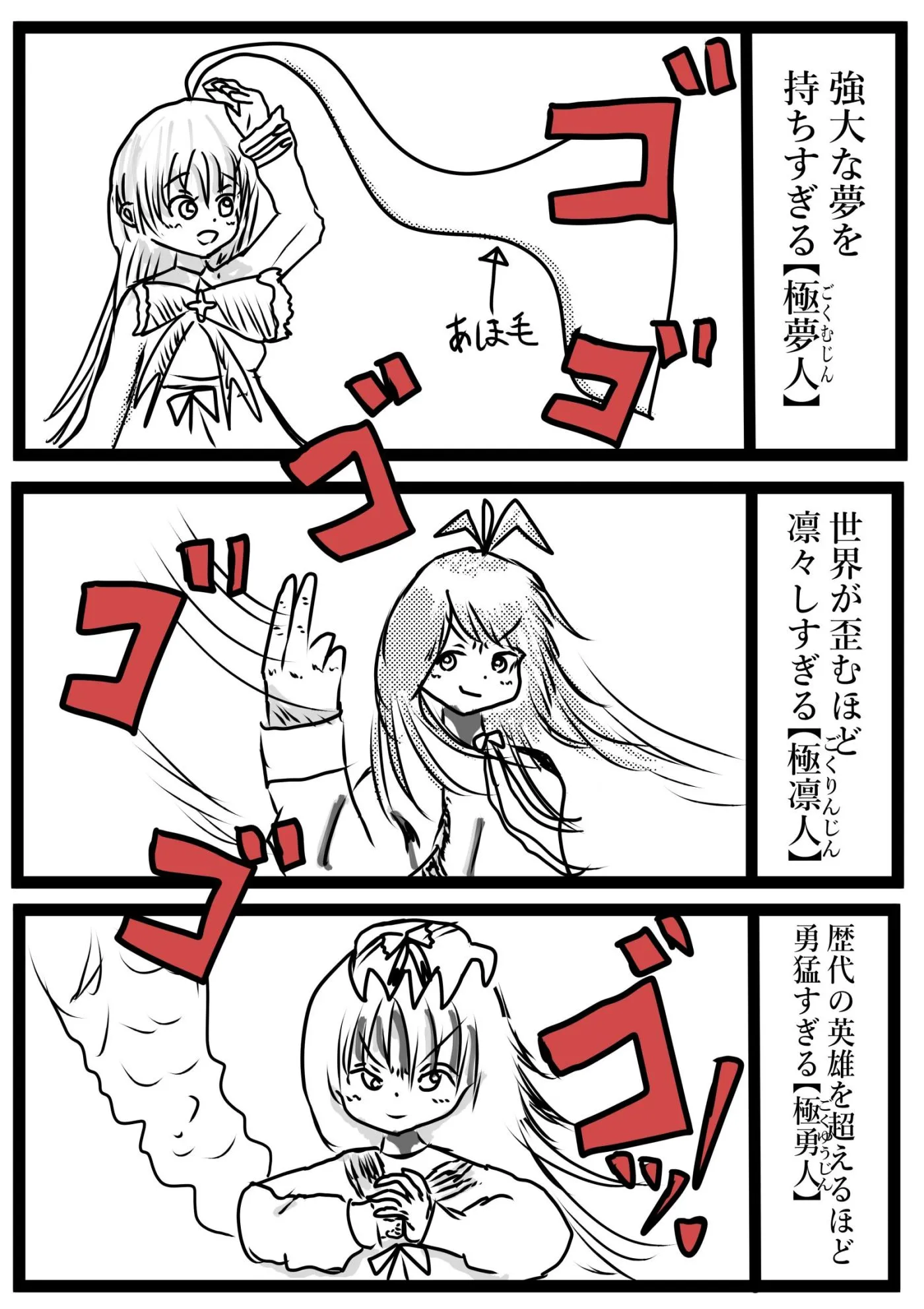
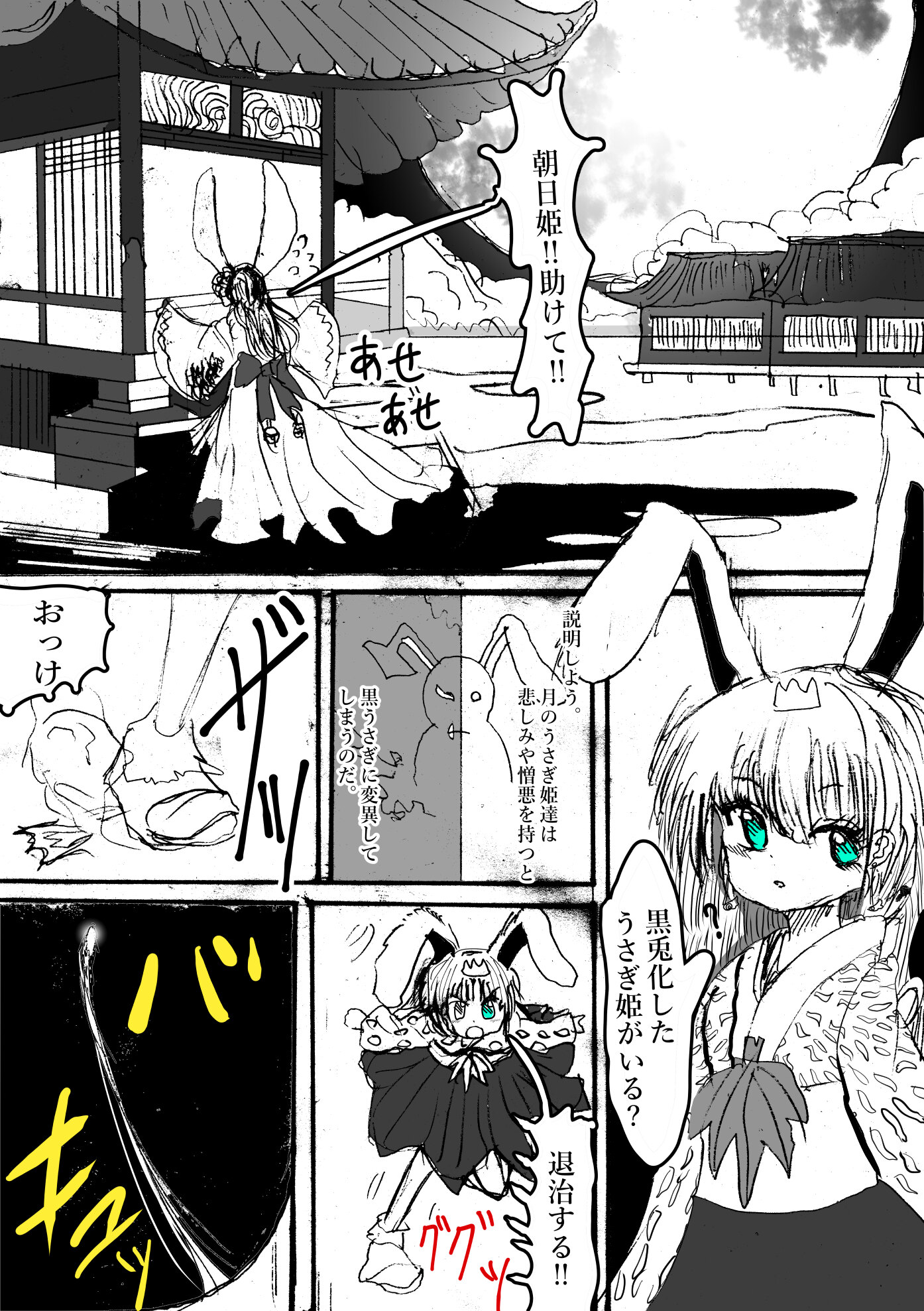
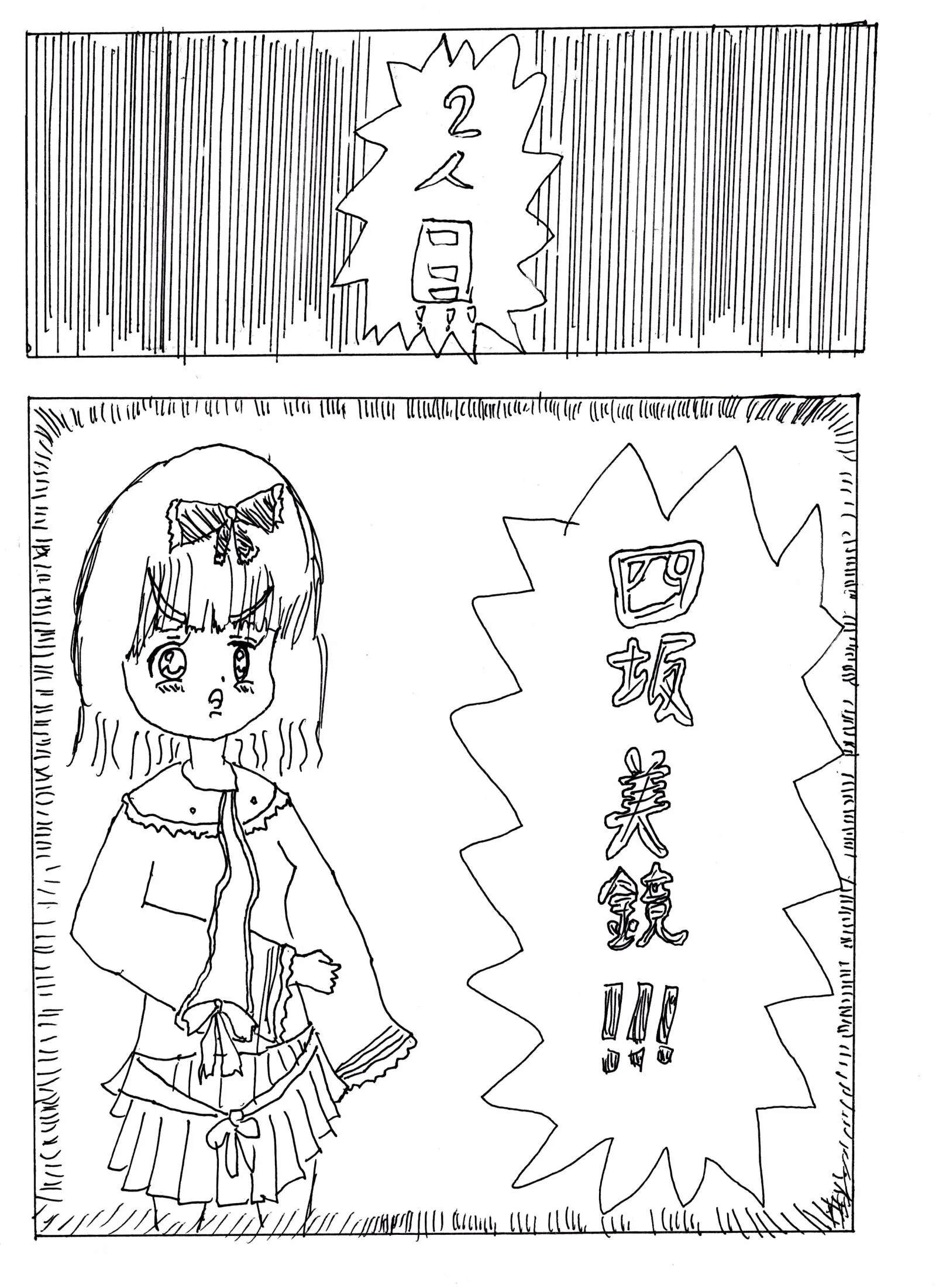
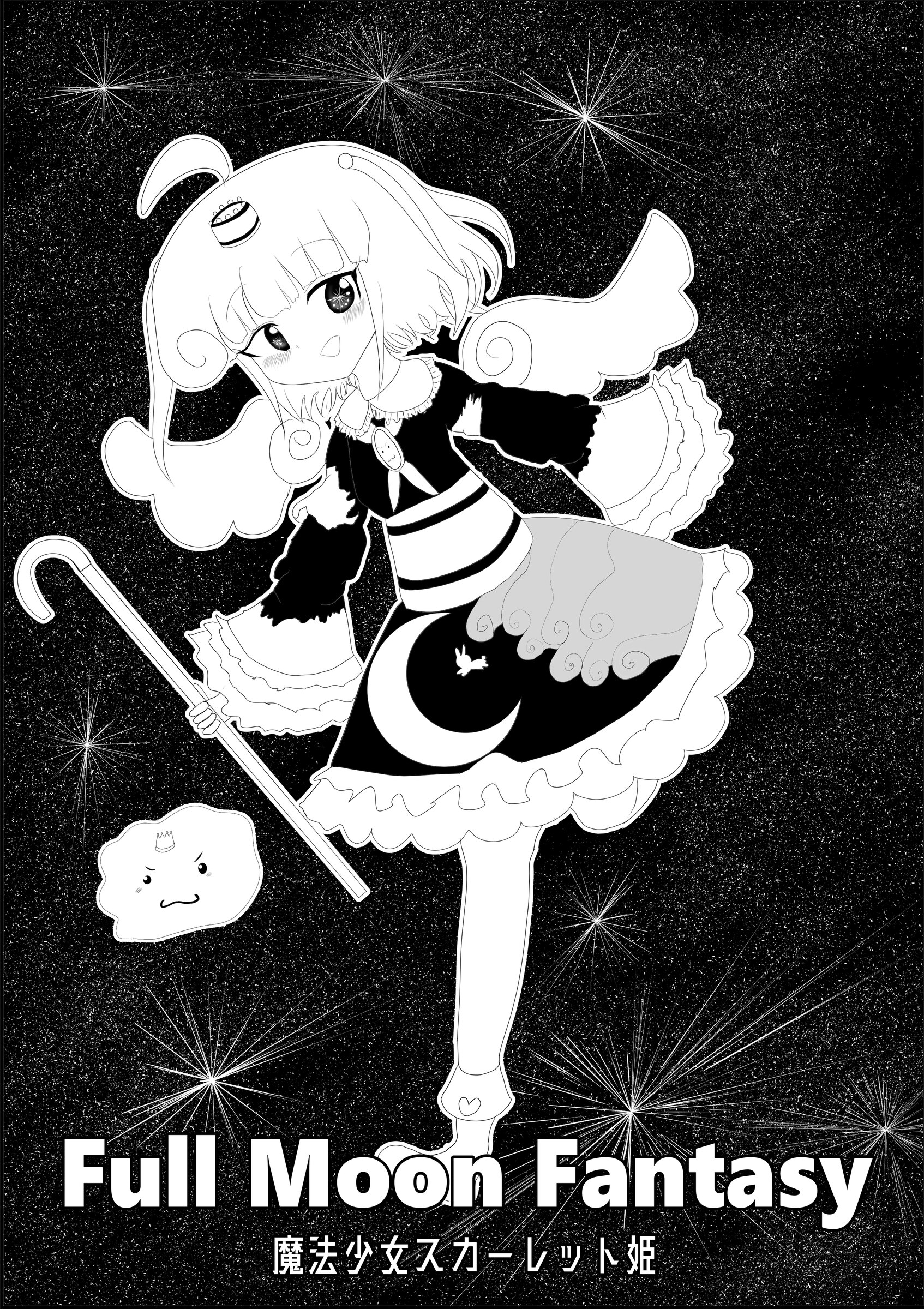
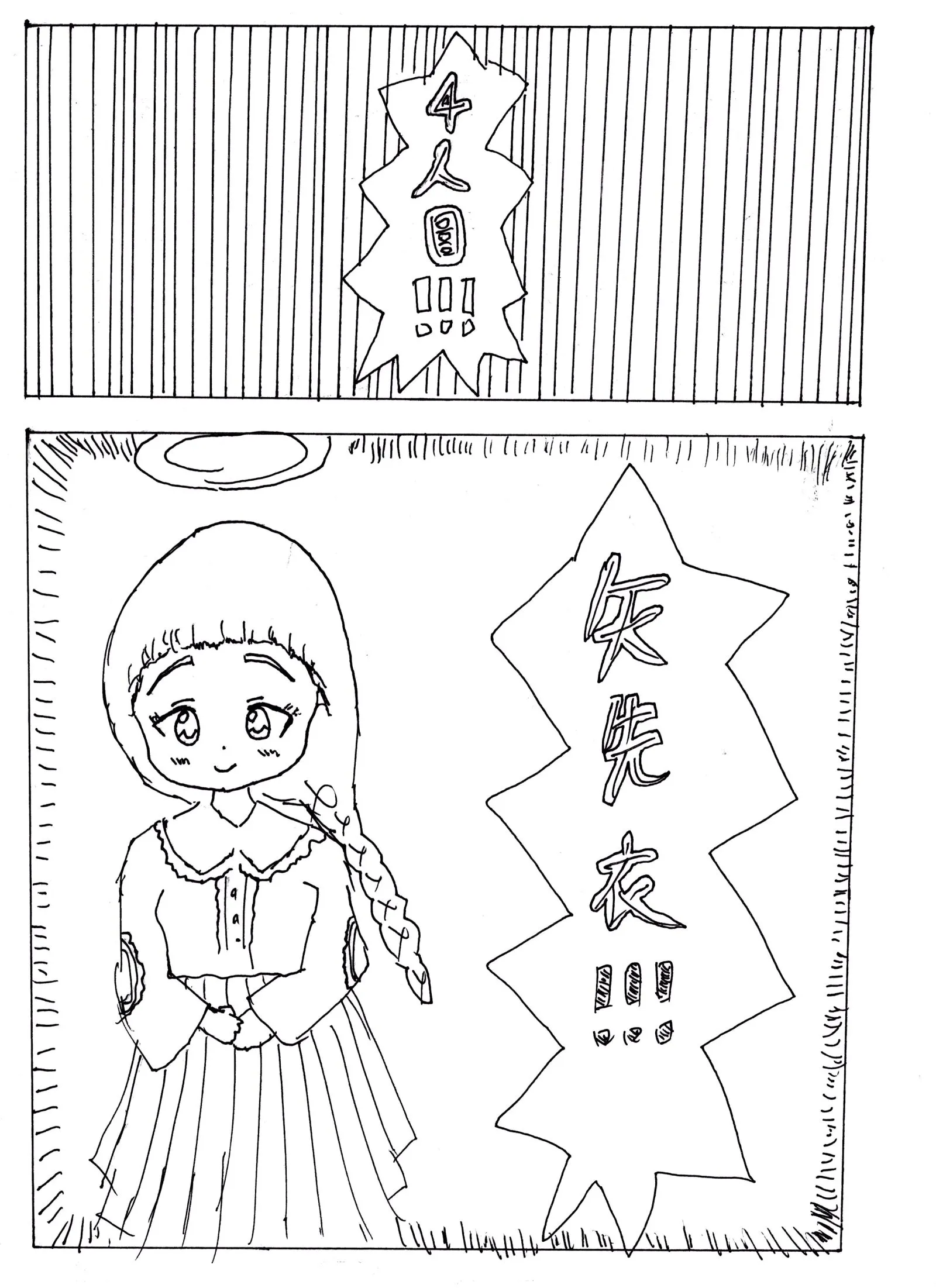
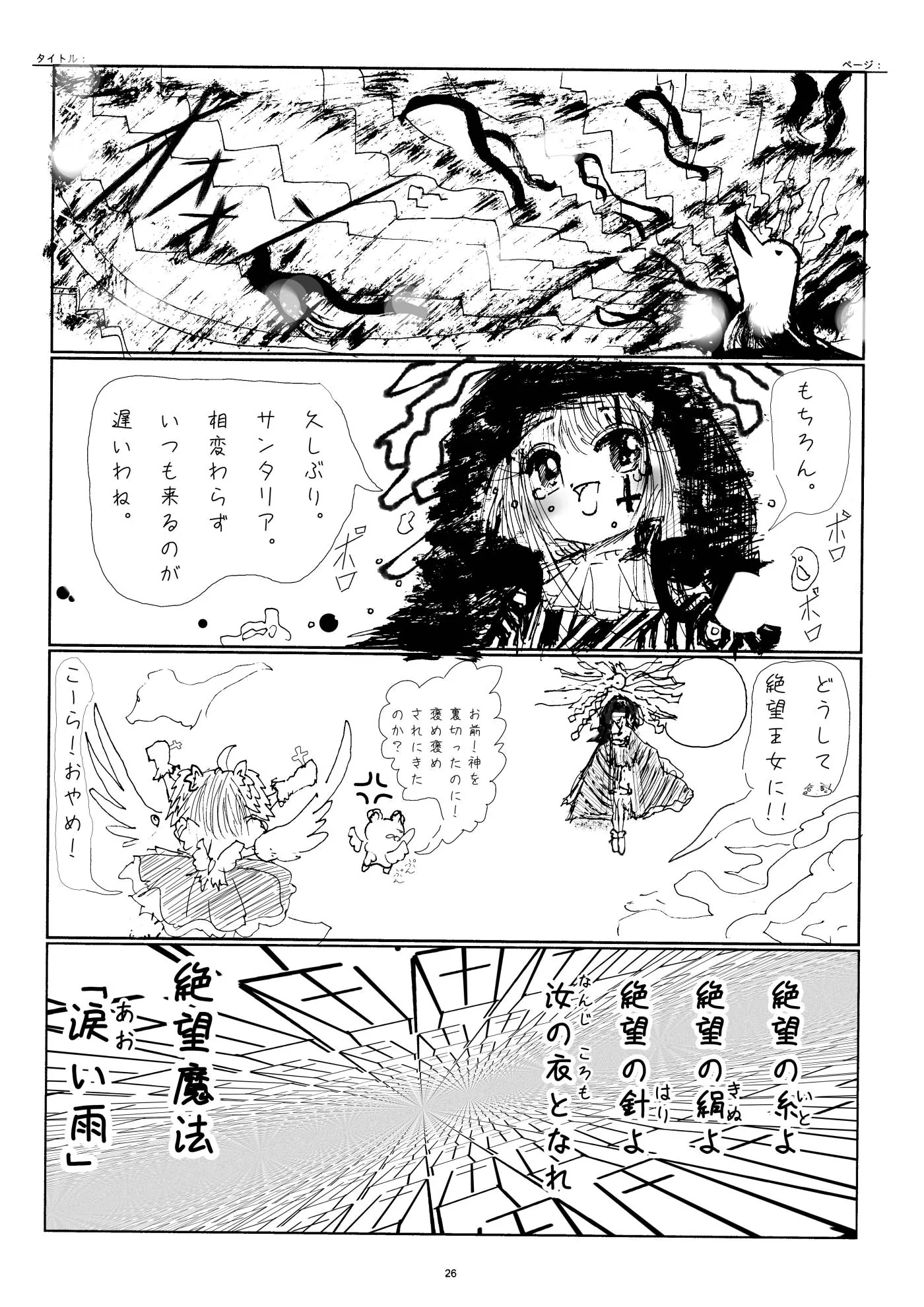
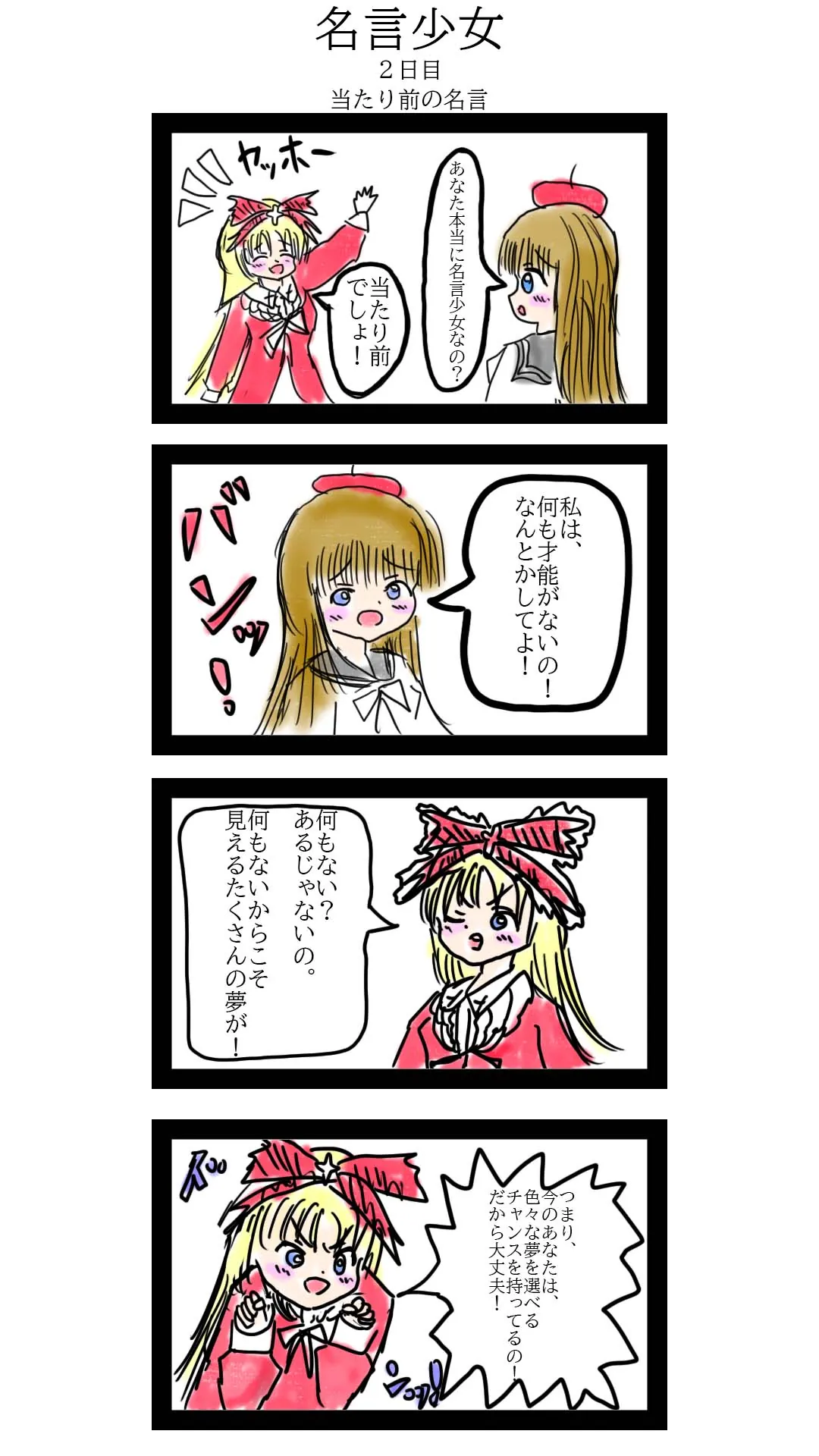
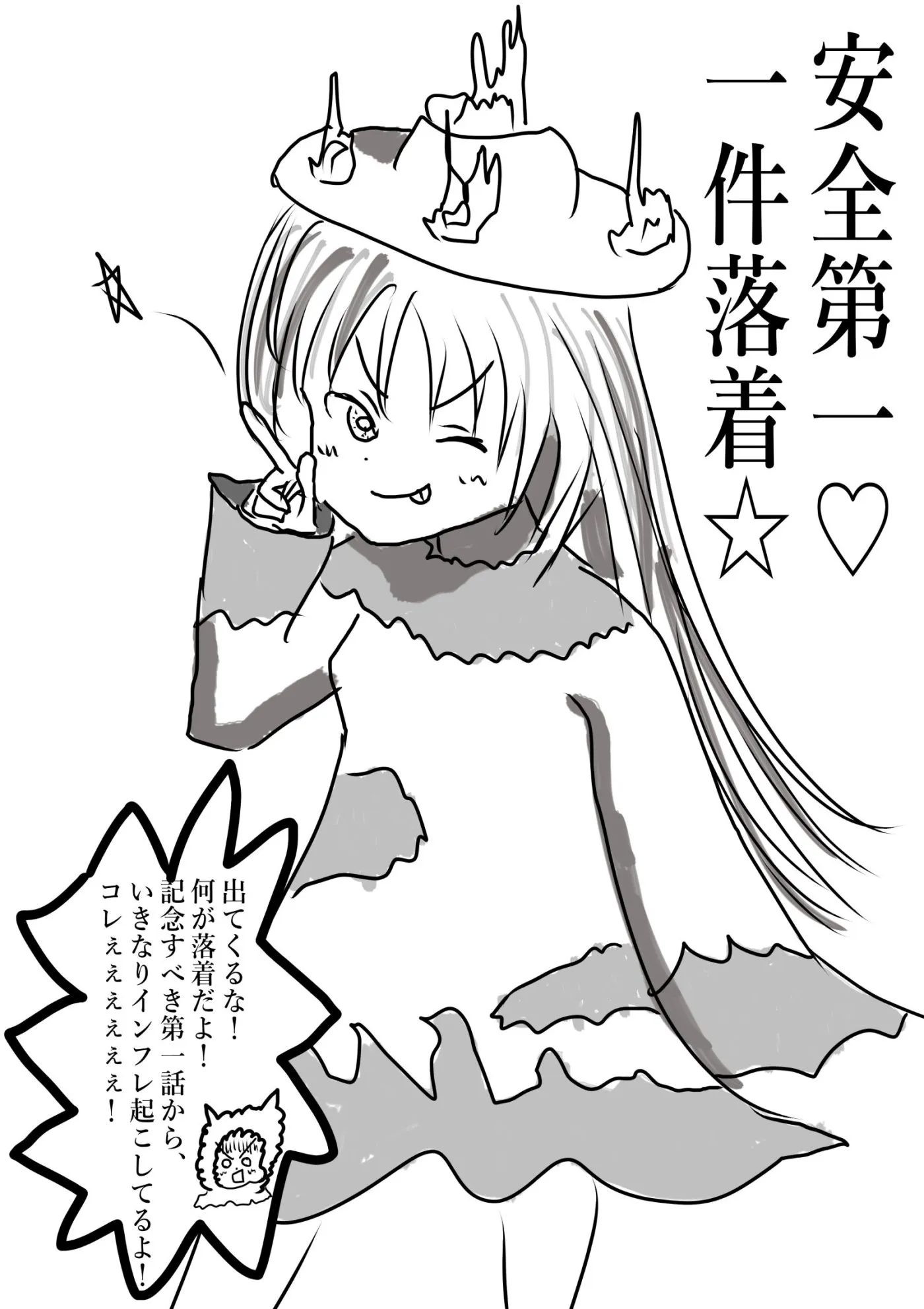
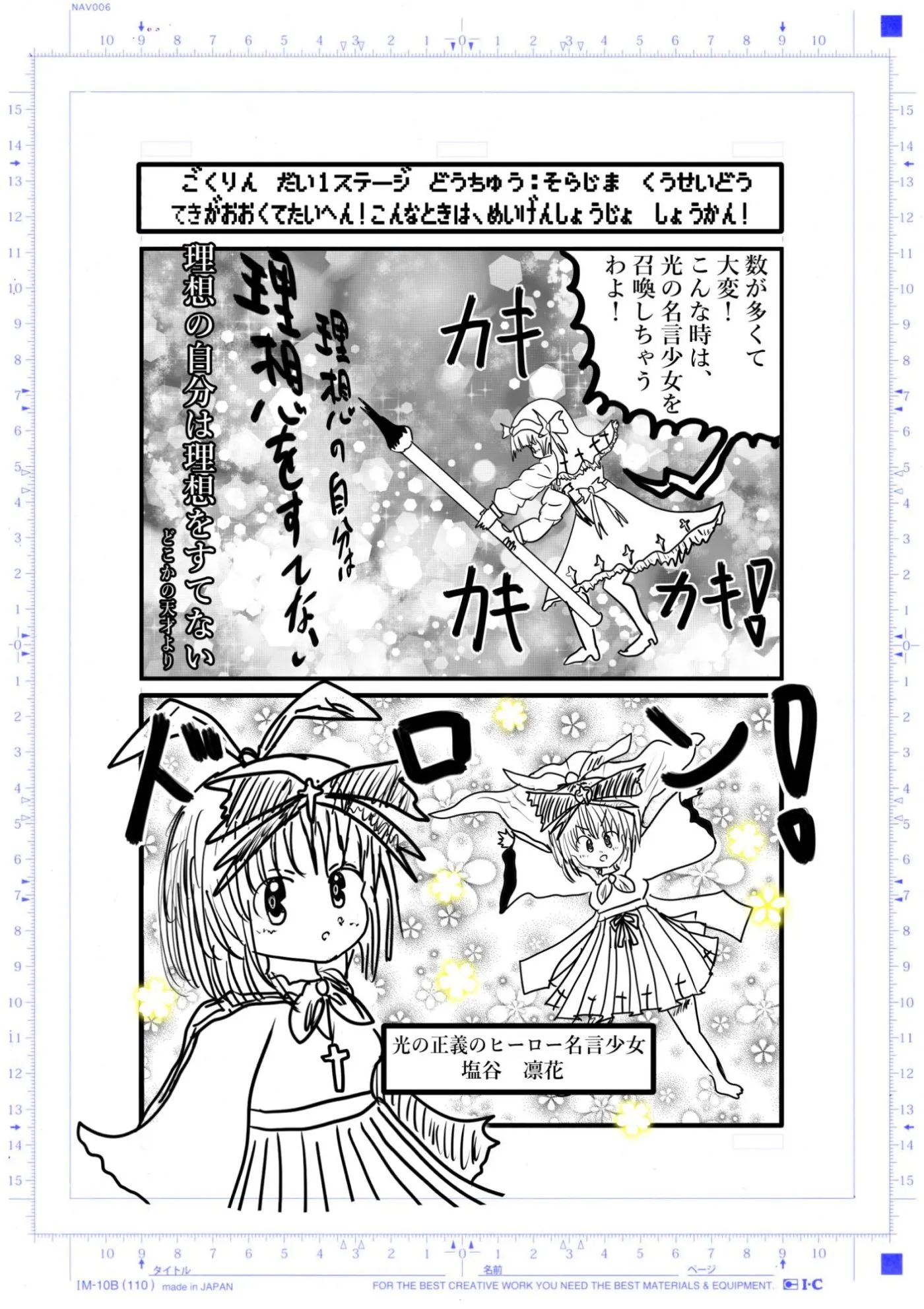
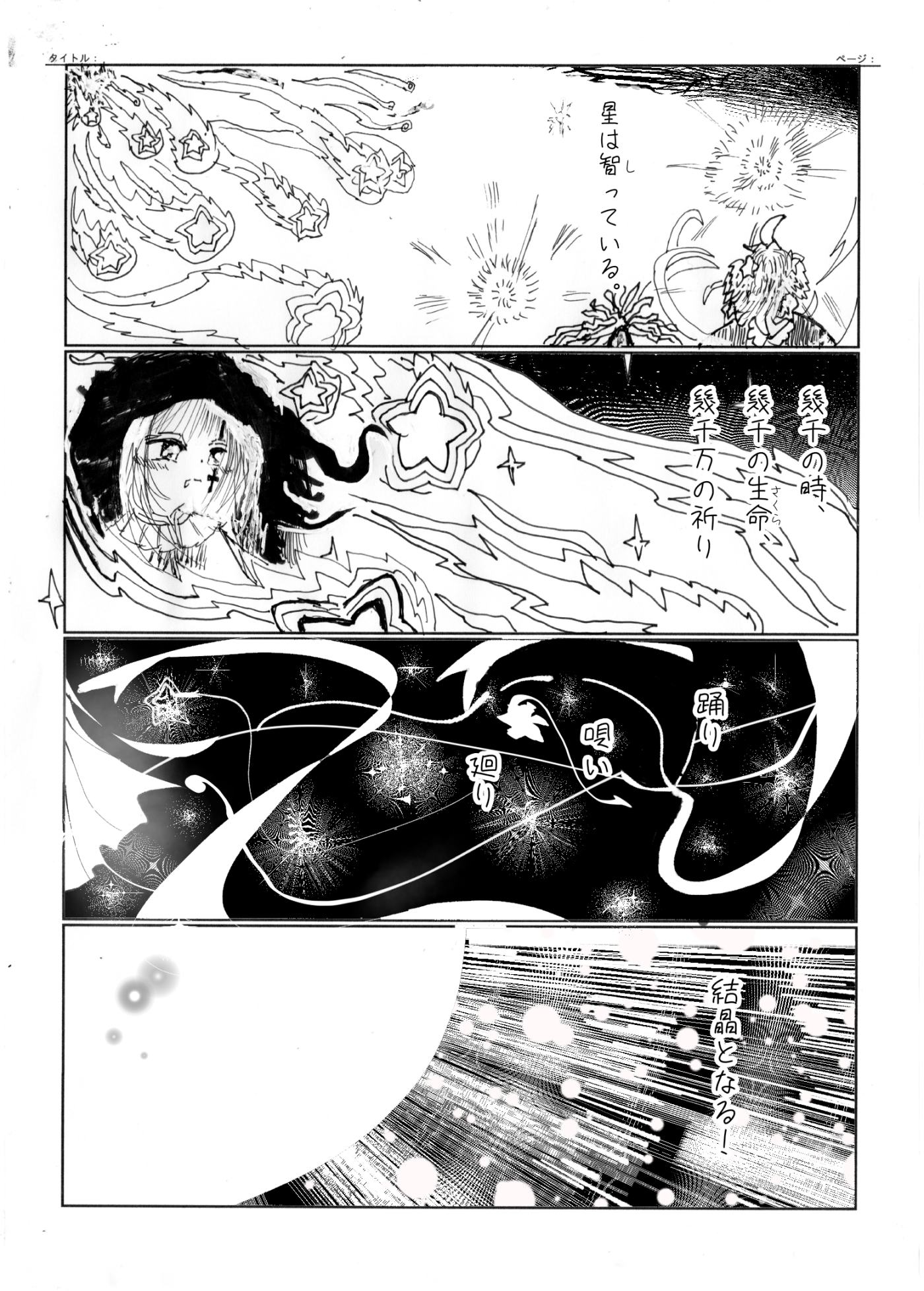
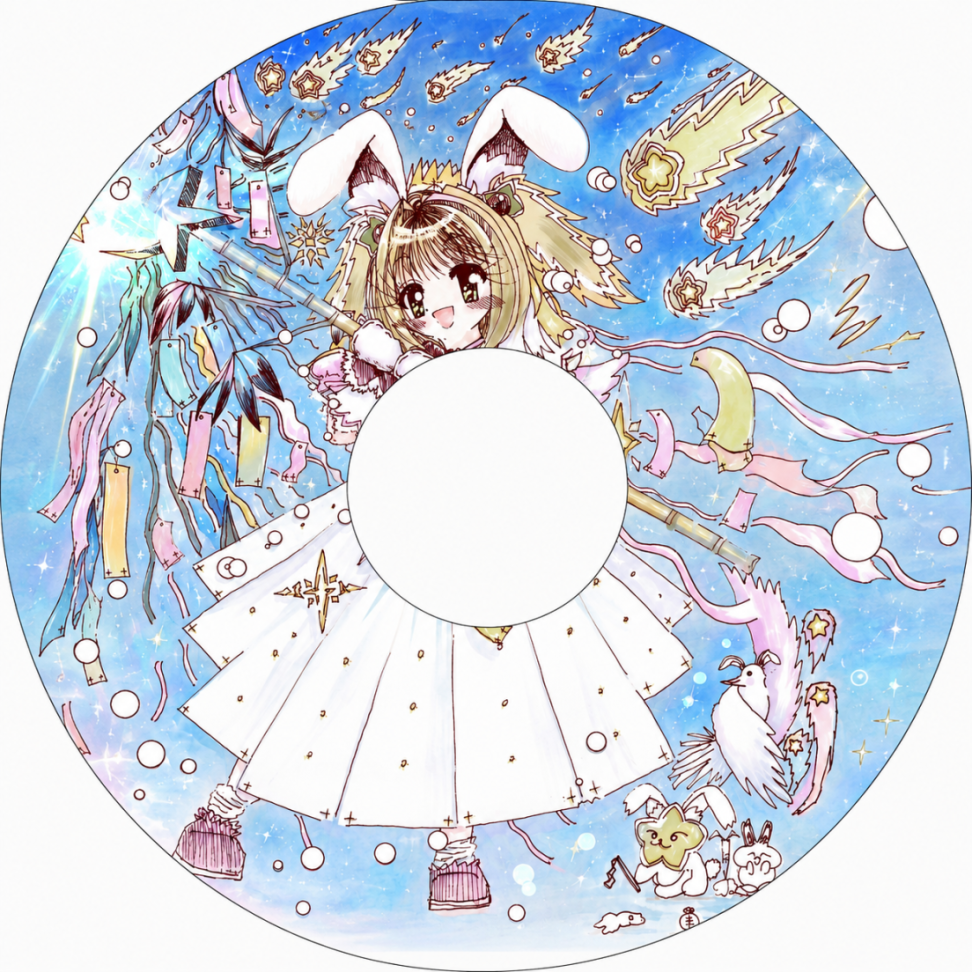
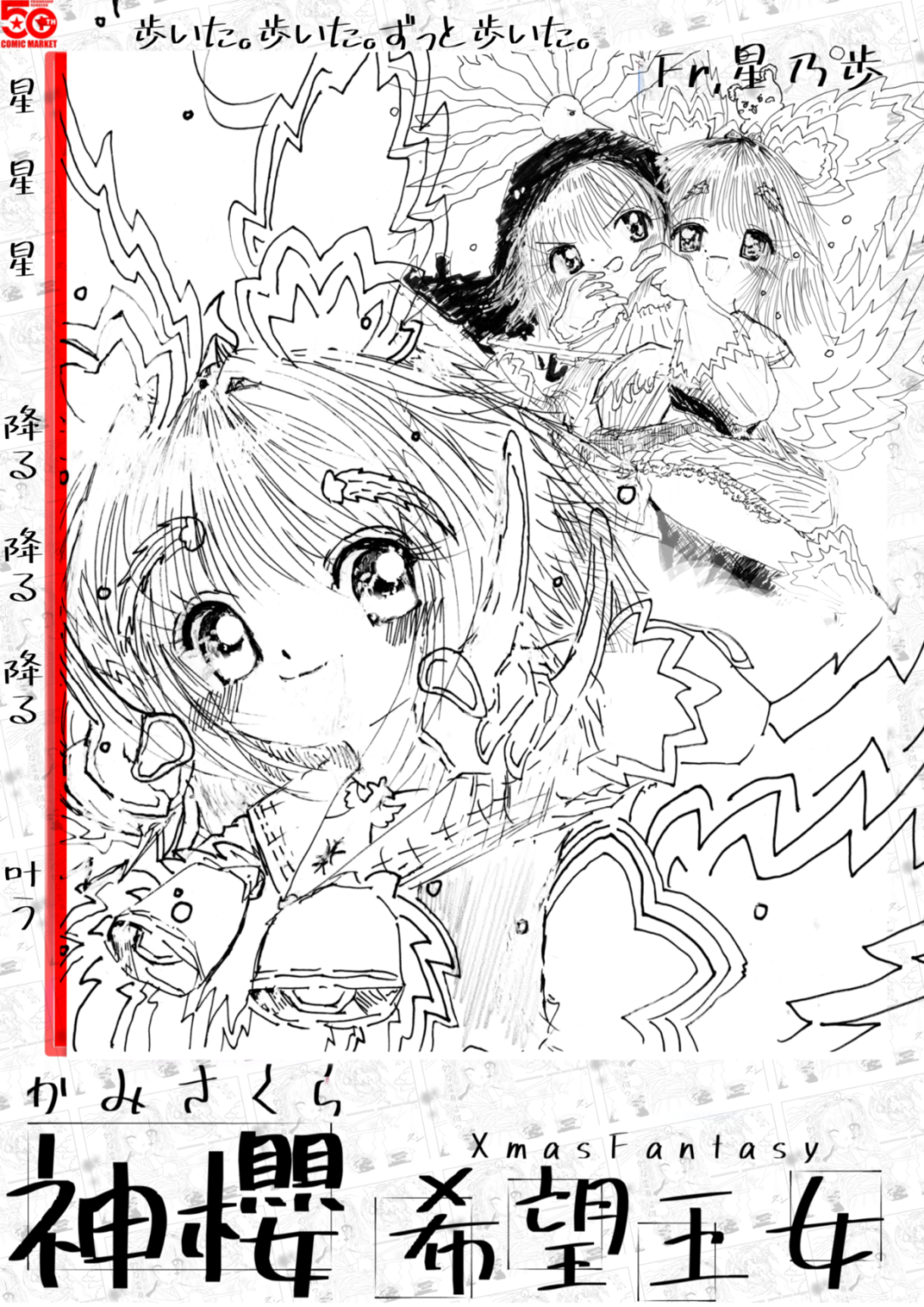
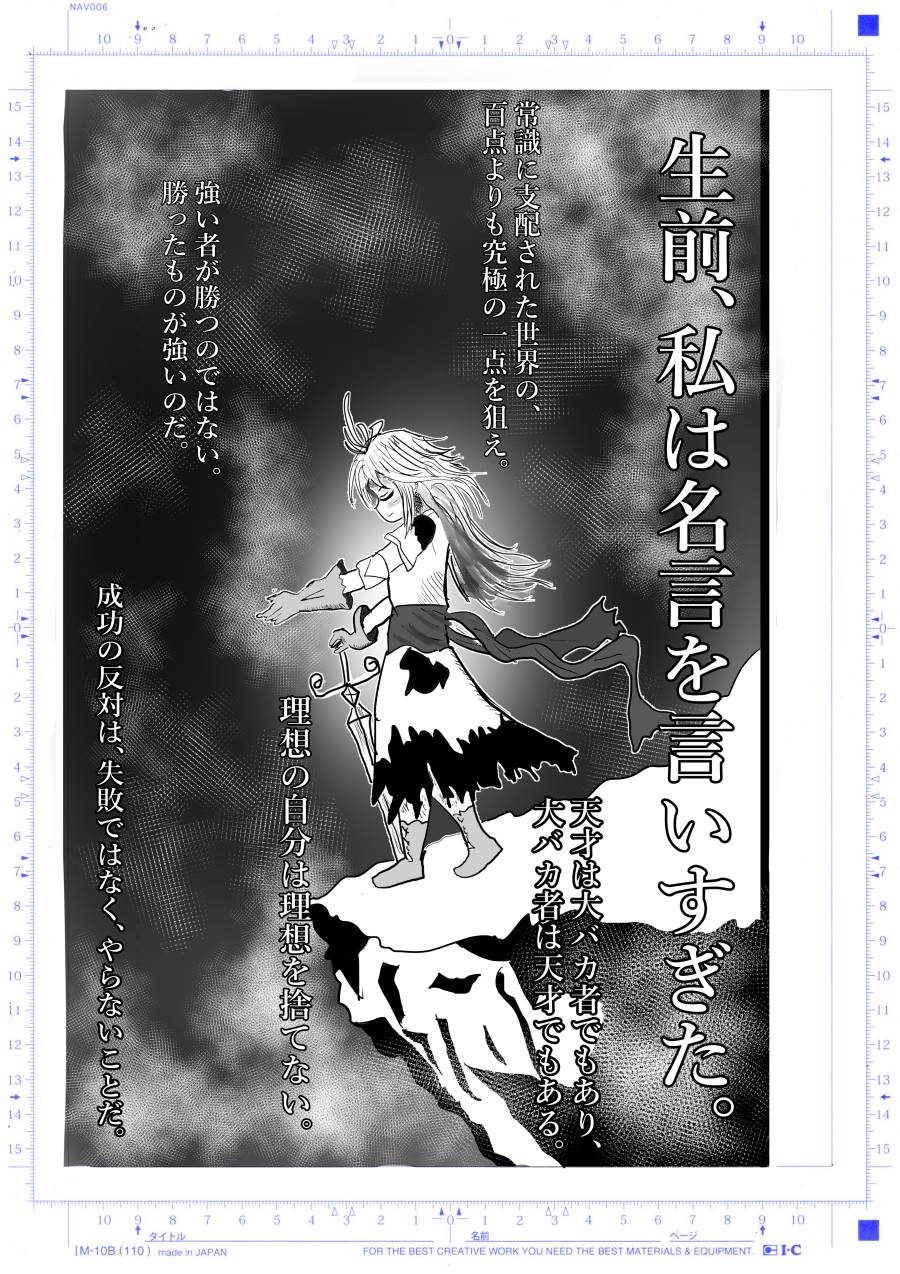
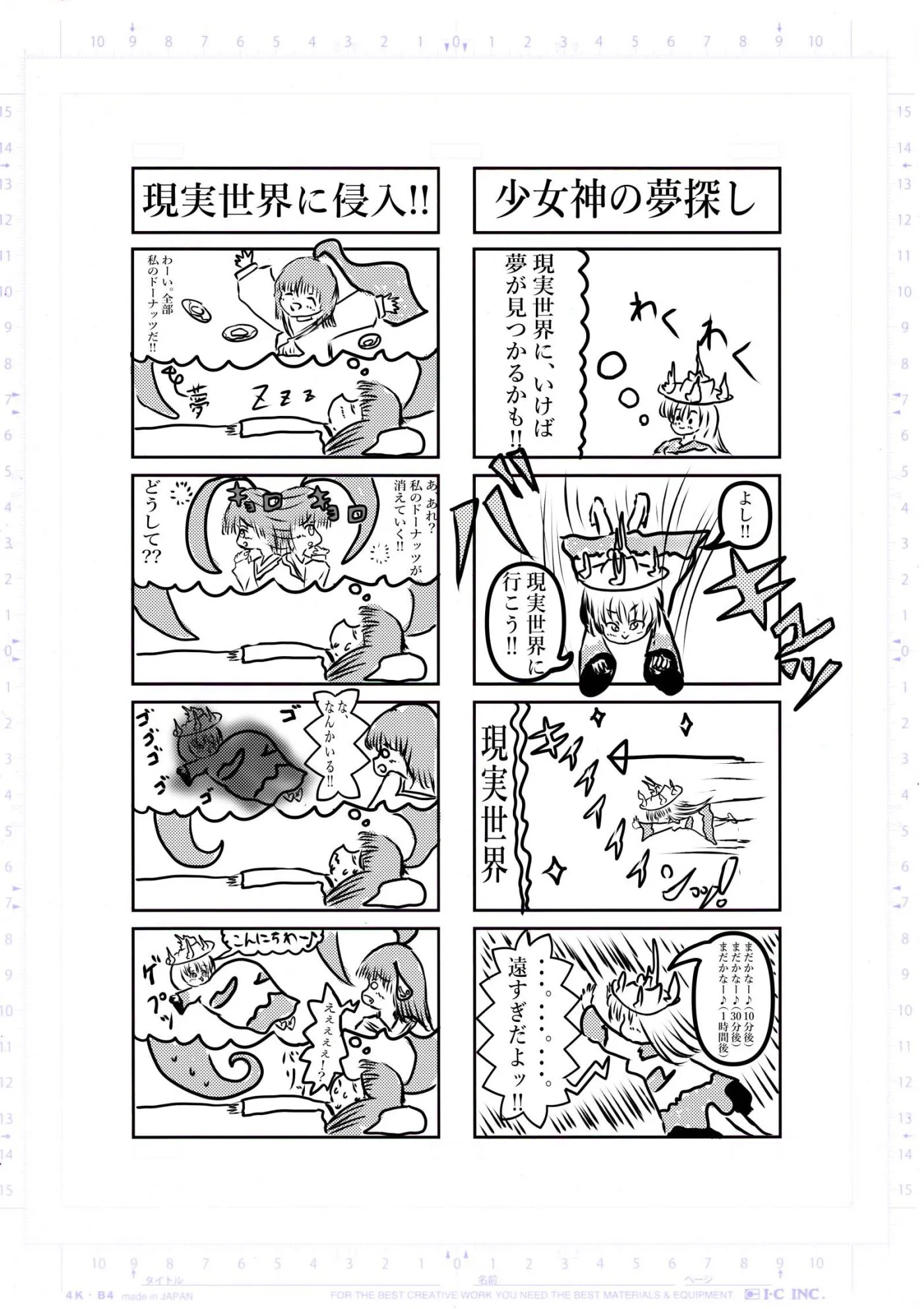
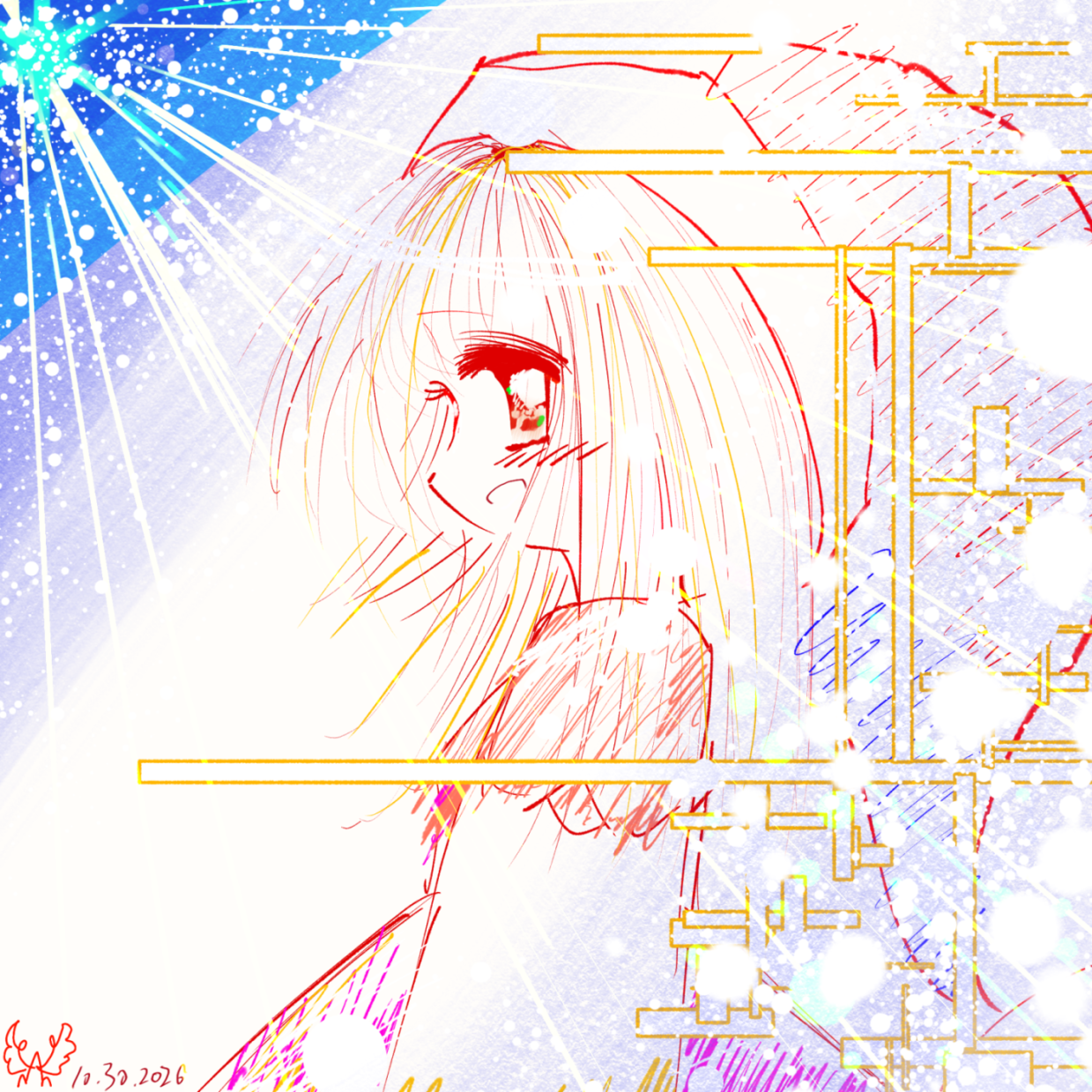
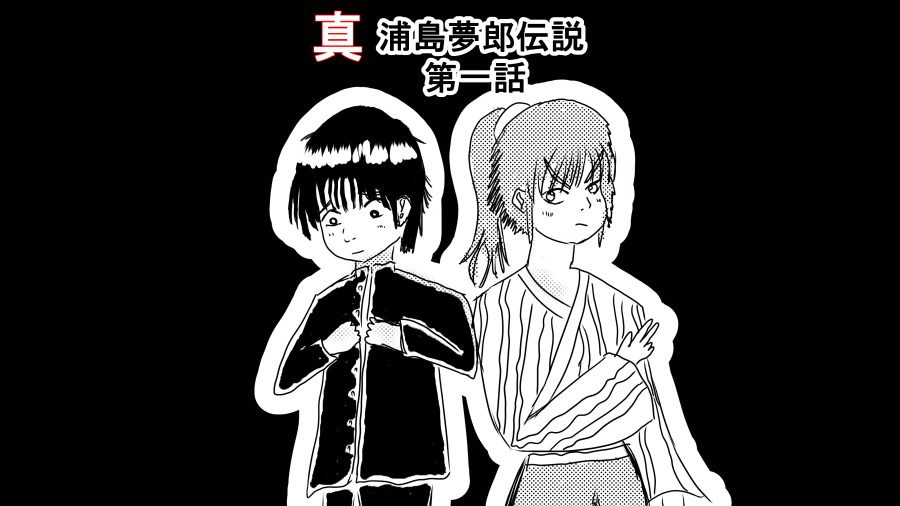
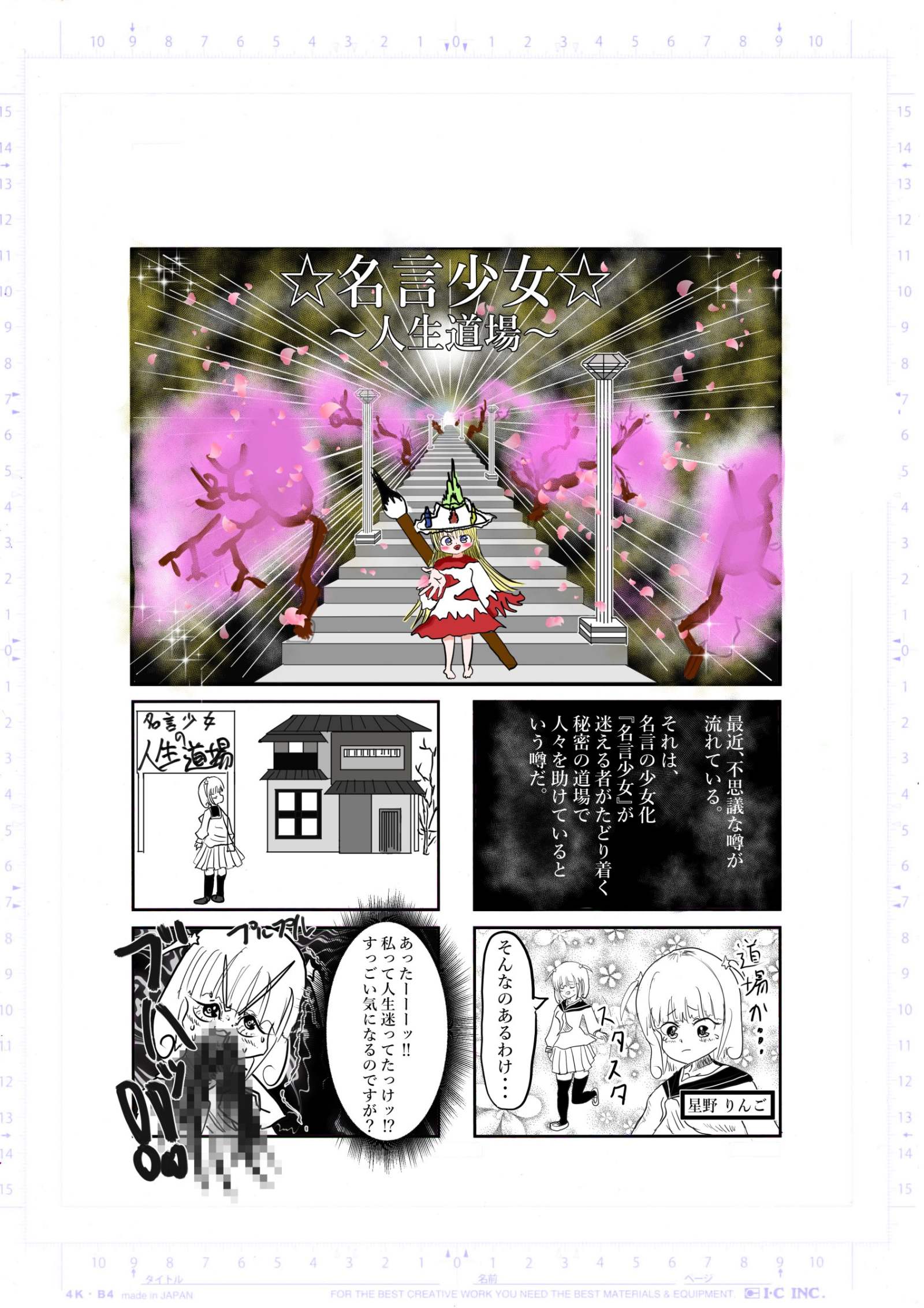
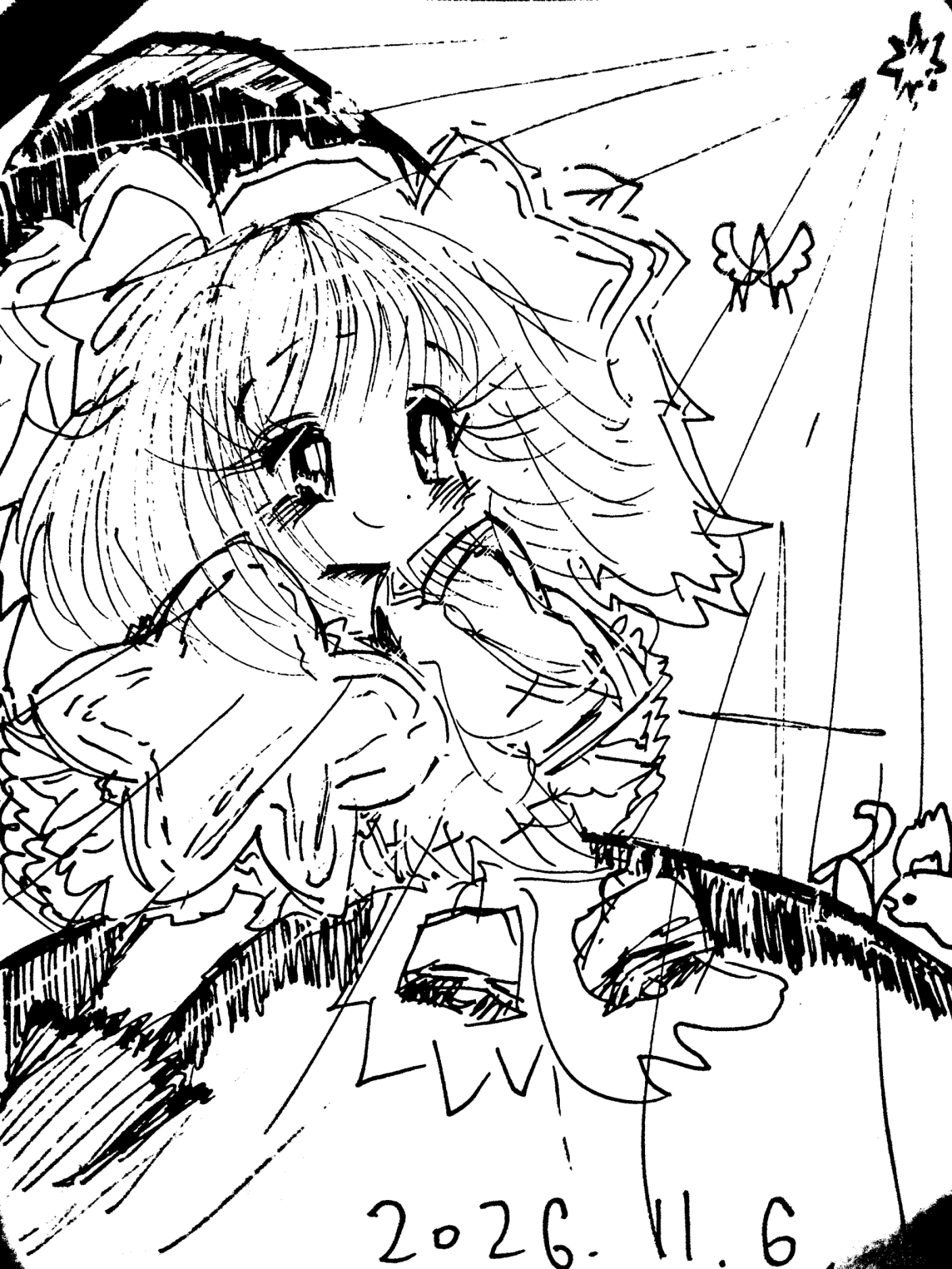
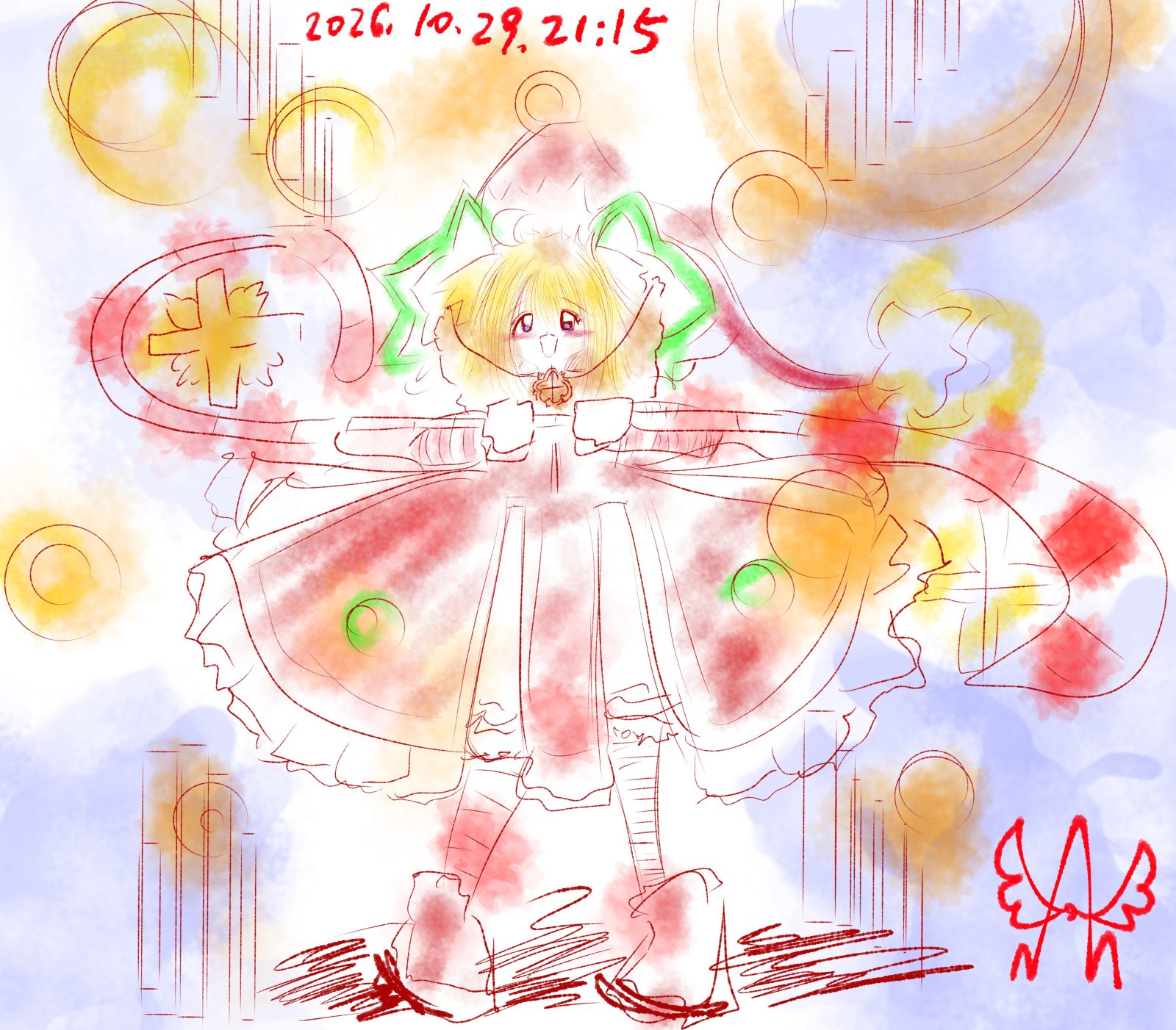
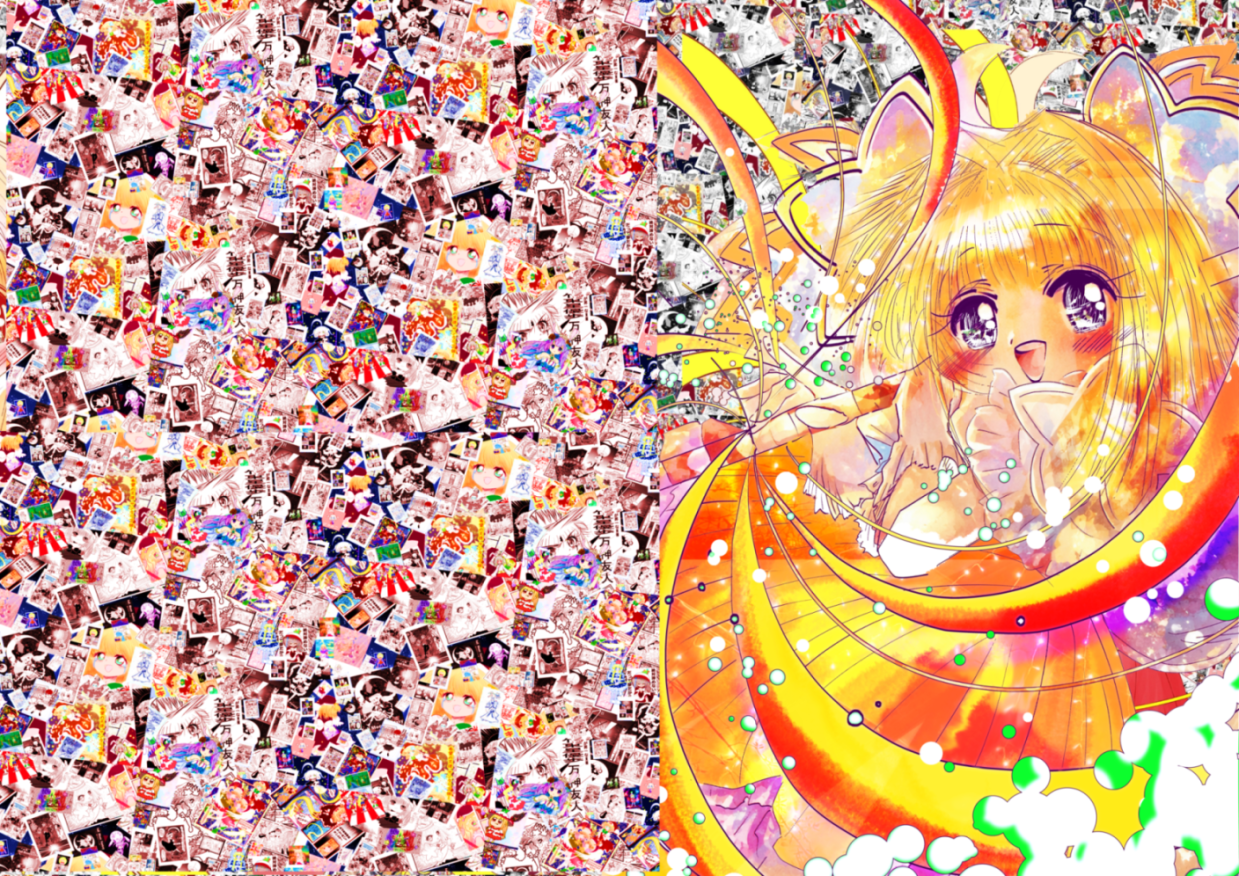
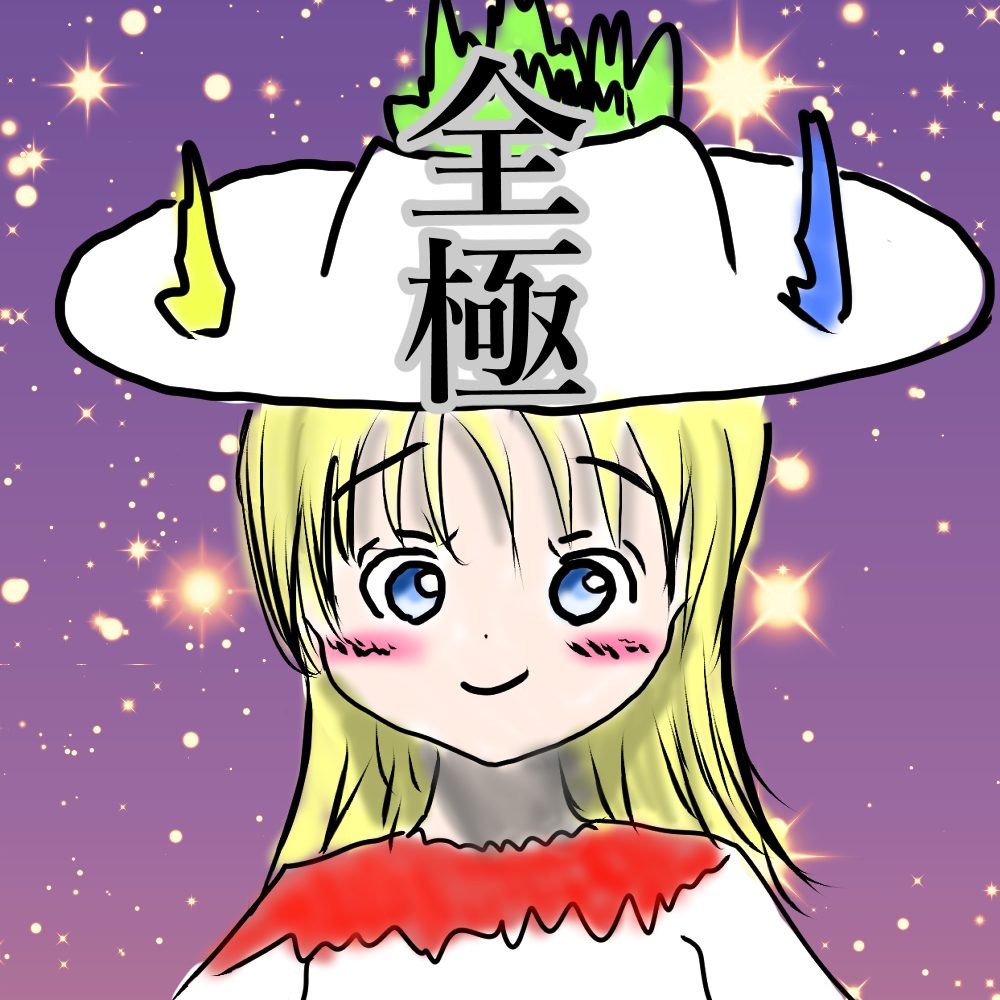
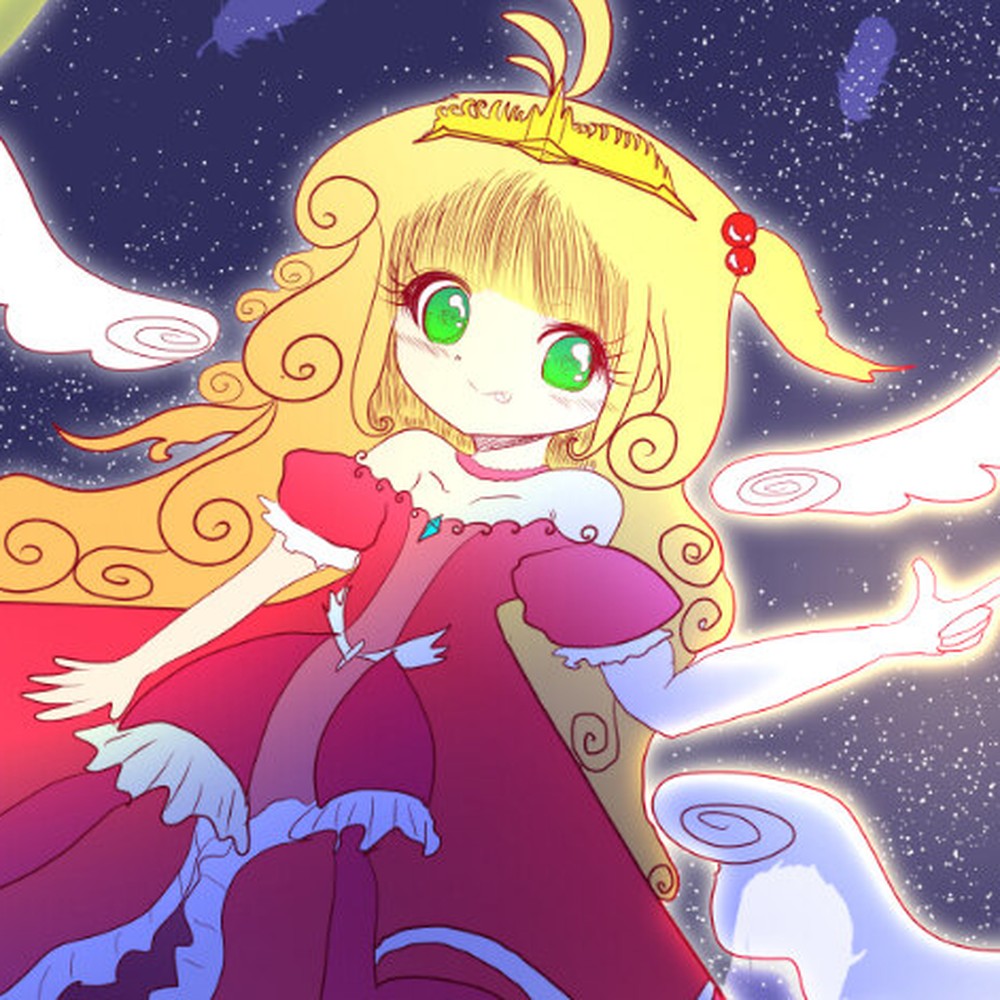
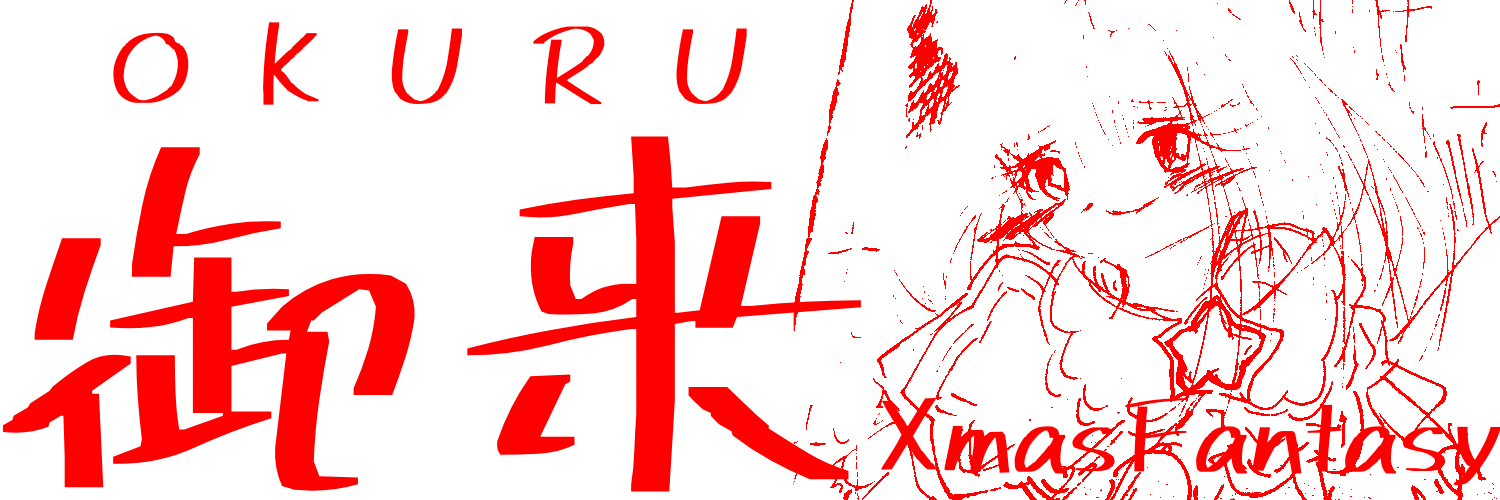
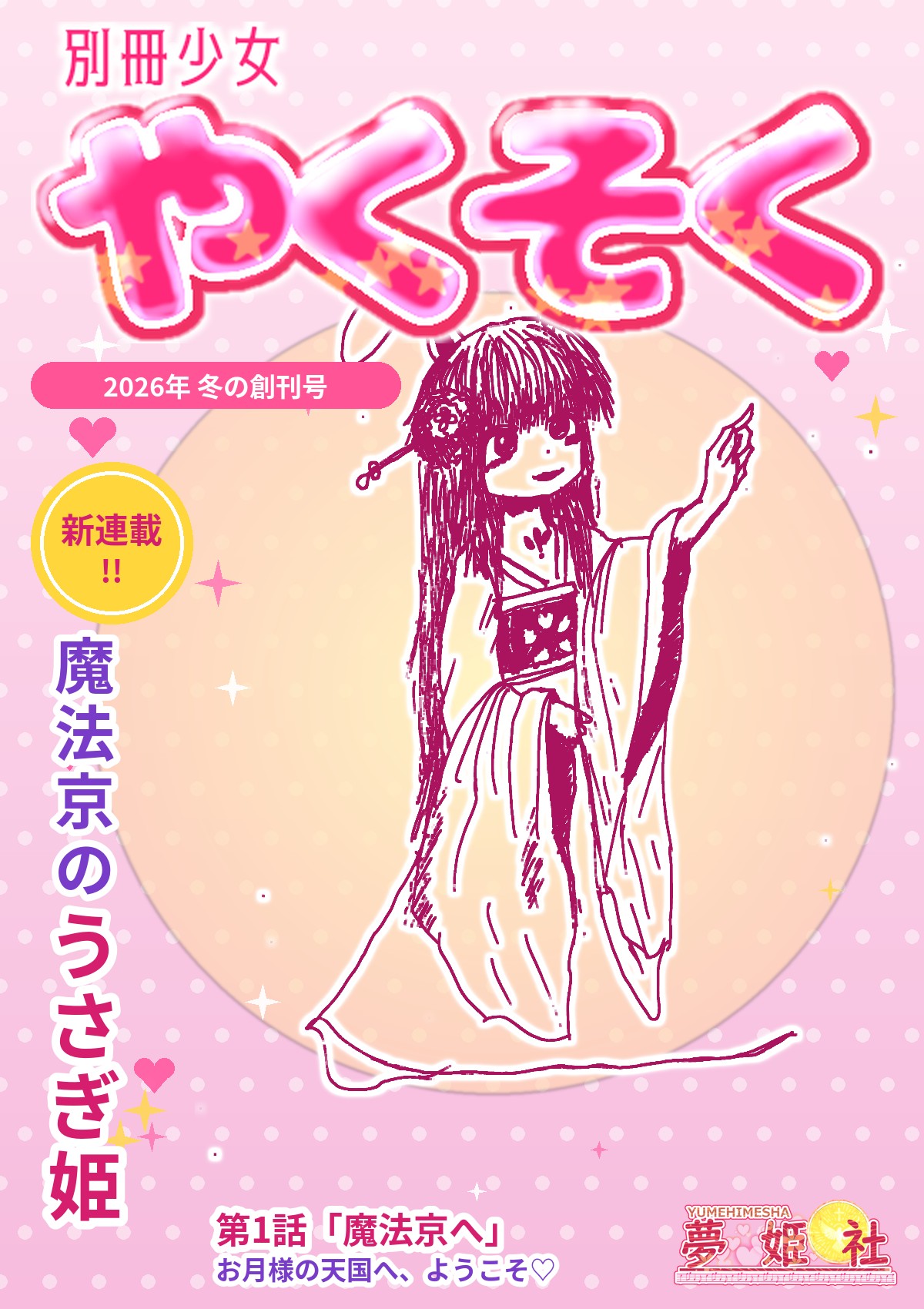
KIBOJO is a body of church works — comics, music and pictures — told within the world of OKURU — Star of Mary — ChristmasFantasy (御来). Its heroine is Princess Santaria (希望王女サンタリア), one of the princesses who travel through the Galaxy of the Hope Birds, a galaxy where countless comets fly together like the wings of one great bird. A princess in this story is not one who sits on a throne and commands. She is one who has been entrusted with someone’s hope and carries it to the next place. She may not be strong, and she may lose her way, but she does not let go of what she was given. Santaria stands quietly beside someone’s despair and looks for the small light that remains there; she does not hand out answers, but stays to confirm, together, what has not yet gone out.
KIBOJO is a work of imagination. It is a story inspired by Scripture and the Christian year; it is not the Church’s teaching, and we never present invented events as revelation. But it is made in faith, for the purposes of a church, and it is meant to point beyond itself — like the star.
Hope: The Heart of the Work
The Church teaches three theological virtues: faith, hope and charity (1 Corinthians 13:13). The Catechism of the Catholic Church describes hope as “the theological virtue by which we desire the kingdom of heaven and eternal life as our happiness, placing our trust in Christ’s promises and relying not on our own strength, but on the help of the grace of the Holy Spirit” (CCC 1817). Saint Paul writes that “hope confoundeth not” (Romans 5:5) and that “we are saved by hope” (Romans 8:24). The Letter to the Hebrews calls hope “an anchor of the soul, sure and firm” (Hebrews 6:19). Pope Benedict XVI took those words of Saint Paul — Spe salvi facti sumus — as the title of his encyclical on Christian hope, Spe Salvi (2007).
This is the hope our Princess carries. It is not optimism, and it is not a mood. It is the hope that does not stand outside suffering but appears on the far side of it, the hope of the Cross. Since 2007 the members of our church have made works around angels, light and hope; in 2026 we resolved to look more deeply at the Cross, at the religious life, at prayer and at peace, and to show where hope comes from. In KIBOJO the Cross is drawn not as a design but as the sign of suffering, forgiveness and the strength to rise again.
Mary, Our Hope, Star of the Sea
In the Salve Regina the Church greets the Mother of God: “Hail, holy Queen, Mother of mercy, our life, our sweetness and our hope” — vita, dulcedo et spes nostra. In the ancient hymn Ave Maris Stella it calls her “Star of the Sea,” the star by which travellers on a dark sea find their way. The name of our first work, Star of Mary, comes from this title. A Princess of Hope in a story is not Mary and never pretends to be; but every image of hope we draw is drawn in the light of the one the Church calls “our hope,” who leads us to her Son, as the star led the wise men to the Child “with Mary his mother.”
The Names: OKURU, 御来, Santaria
| 来 (KURU) | The true title of our work: “to come.” What comes is the Kingdom of God — “Thy kingdom come” (Matthew 6:10). Our work exists to make that coming known. Within the shape of 来 are 米 and 十, the Cross. |
|---|---|
| 御来 (OKURU) | 来 with the honorific 御 (O): the same title, spoken with reverence. |
| Star of Mary | From the title of the Virgin Mary as the Star of the Sea, the star that guides those who are lost. |
| Santaria | The name of our Princess carries the sound of santa — “holy” in Italian. Her story is meant to be a story of holiness in small things: the quiet carrying of another’s hope. |
| KIBOJO (希望王女) | “Princess of Hope” — the one who carries hope to the next place. |
Against War, For Peace
The first song of Christmas was “on earth peace to men of good will” (Luke 2:14). Our Lord said: “Blessed are the peacemakers: for they shall be called children of God” (Matthew 5:9). The prophet saw the day when the nations “shall turn their swords into ploughshares… neither shall they be exercised any more to war” (Isaiah 2:4). Saint John XXIII addressed his encyclical Pacem in Terris (1963) to “all men of good will.” KIBOJO takes hope as its theme, and therefore it speaks against war and for peace. We create works and publish them in the media for this purpose, and for no other.
No Money, No Compensation
- No money arises from our work in any form. Our works are made and published without charge.
- We accept no payment, fee, reward or compensation of any kind.
- The corporation does not hold, and will never hold, a corporate bank account.
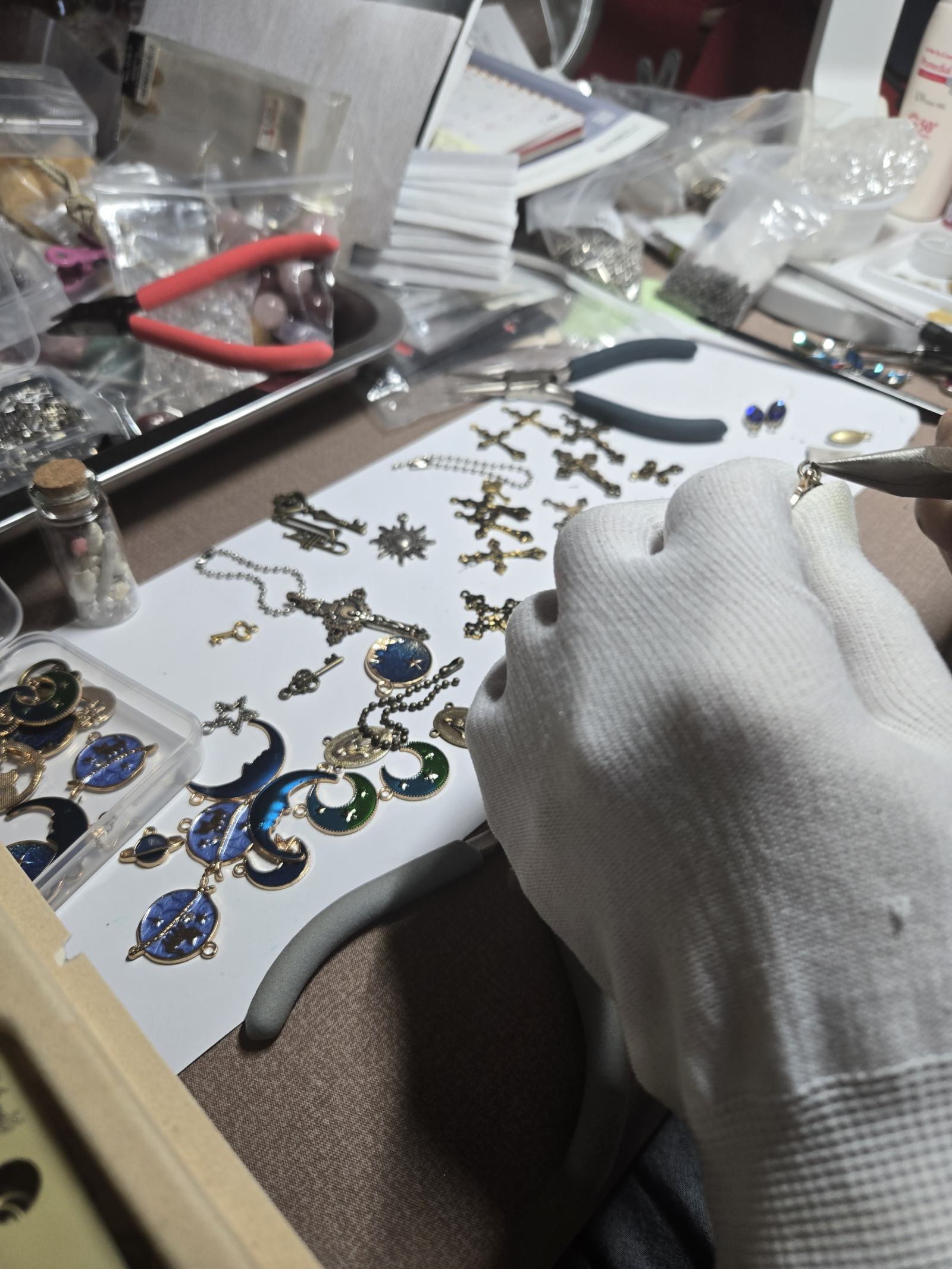
- Our production team is made up entirely of volunteers and of individuals who take part of their own free will. The corporation is an organization of such voluntary work, and its main activity is creation and production.
We do this not because money is evil, but because a gift that is paid for is no longer a gift. Our works should live by the love of God, not by a market.
Creation Is the Monastic Life
Creation is hope. Hope is the monastic life. Therefore, creation is the monastic life.
For us, art is the monastic life itself. In the tradition of Saint Benedict, work and prayer belong together — ora et labora. A monk does not pray only in choir; he prays with his hands, in the garden, in the scriptorium, in the infirmary. We make our works in the same way: drawing, composing and writing are not a break from prayer but a form of it. To create is to hope, because every work is made for a reader we have not yet met and a tomorrow we have not yet seen. To hope is to live the religious life, because hope waits for God with patience, day after day. So when we create, we are doing what monks have always done: waiting for the Lord, with our hands at work.
Our Standing
IHS Bethlehem Church is an independent religious corporation founded in the Catholic tradition. It is not affiliated with, and does not act under the authority of, any diocese or the Holy See. When we explain the faith, we explain; we do not claim authority. When we make art, we make art; we do not claim revelation.
Read next: The Star of Bethlehem · Christmas · Corporate Profile