
The Star of Bethlehem
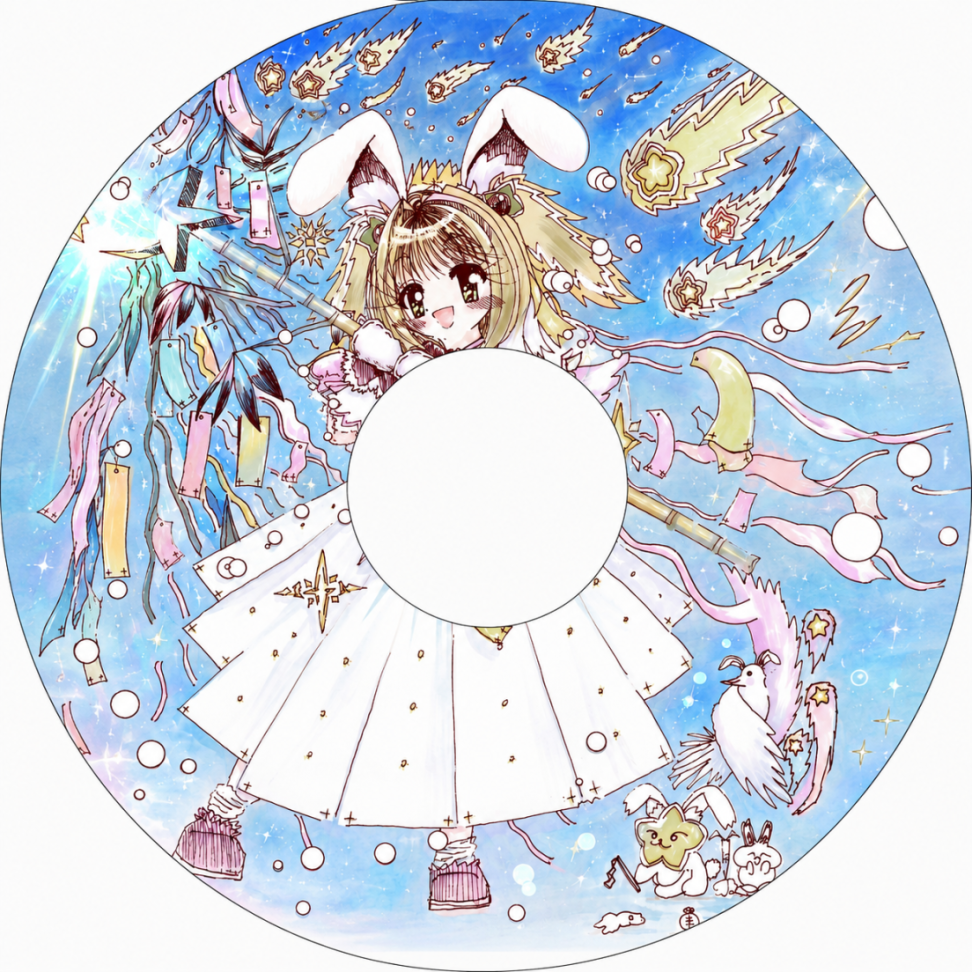
Everything we are begins with one light in the night sky: the Star of Bethlehem. It is the first word of our name, the reason for our works, and the light we hope to follow until the end.
The Star in the Gospel
Saint Matthew tells how, when Jesus was born in Bethlehem of Juda, wise men came from the East to Jerusalem and asked where the newborn King of the Jews could be found, “for we have seen his star in the east, and are come to adore him.” The star went before them “until it came and stood over where the child was. And seeing the star they rejoiced with exceeding great joy.” Entering the house, “they found the child with Mary his mother, and falling down they adored him: and opening their treasures, they offered him gifts; gold, frankincense, and myrrh.”
And seeing the star they rejoiced with exceeding great joy.
Matthew 2:10 (Douay-Rheims)
Three things in this short account shape the whole life of our church. The star is seen: someone looked up and did not assume they already knew what the sky held. The star is followed: the wise men left their country and walked toward a promise they did not yet understand. And the journey ends in a gift: when they found the Child, they opened their treasures and gave.
A Star Long Awaited
The Church has always read the Star of Bethlehem together with the older Scriptures that waited for it. The prophet Balaam, looking far into the future, said: “A star shall rise out of Jacob and a sceptre shall spring up from Israel” (Numbers 24:17). Isaiah sang to Jerusalem: “Arise, be enlightened, O Jerusalem: for thy light is come, and the glory of the Lord is risen upon thee… And the Gentiles shall walk in thy light, and kings in the brightness of thy rising… all they from Saba shall come, bringing gold and frankincense” (Isaiah 60:1–6). The Psalm says: “The kings of Tharsis and the islands shall offer presents: the kings of the Arabians and of Saba shall bring gifts” (Psalm 71:10).
In the wise men, the Fathers of the Church saw the first of the nations coming to Christ. Saint Leo the Great, preaching on the Epiphany, invited every Christian to follow the same light: the star still calls, and those who answer it still find the Child.
The Feast of the Star: Epiphany
The Church keeps the coming of the wise men on the Solemnity of the Epiphany of the Lord, traditionally on January 6, the twelfth day after Christmas. “Epiphany” means “appearing” or “manifestation”: on this day the Child born in Bethlehem is shown to the whole world, and not only to the shepherds of one small town. For us, Christmas and Epiphany are one feast of light. Christmas is the light that comes into the night; Epiphany is the light that goes out to every nation.
Science and the Star
People have long asked what the star was. Johannes Kepler proposed that a conjunction of Jupiter and Saturn around 7–6 BC may have been connected with it, and others have suggested a comet or a new star. Pope Benedict XVI discussed such explanations in Jesus of Nazareth: The Infancy Narratives (2012). We do not claim to know the answer, and we do not need to. Our small observatory keeps an honest record of the night sky as a modest side activity, in the spirit of the wise men who watched the heavens carefully. What we are sure of is this: the light led them to Christ, and that is the only kind of light we want to follow.
Why the Star Comes First for Us
Our corporate name is IHS Bethlehem Church. “IHS” is the ancient monogram of the Holy Name of Jesus; “Bethlehem” is the town where the star stopped. Our ministry name, Betlemme, is the Italian form of the same word, and our first work is called Star of Mary, after the old title of the Virgin as the star that guides travellers home.
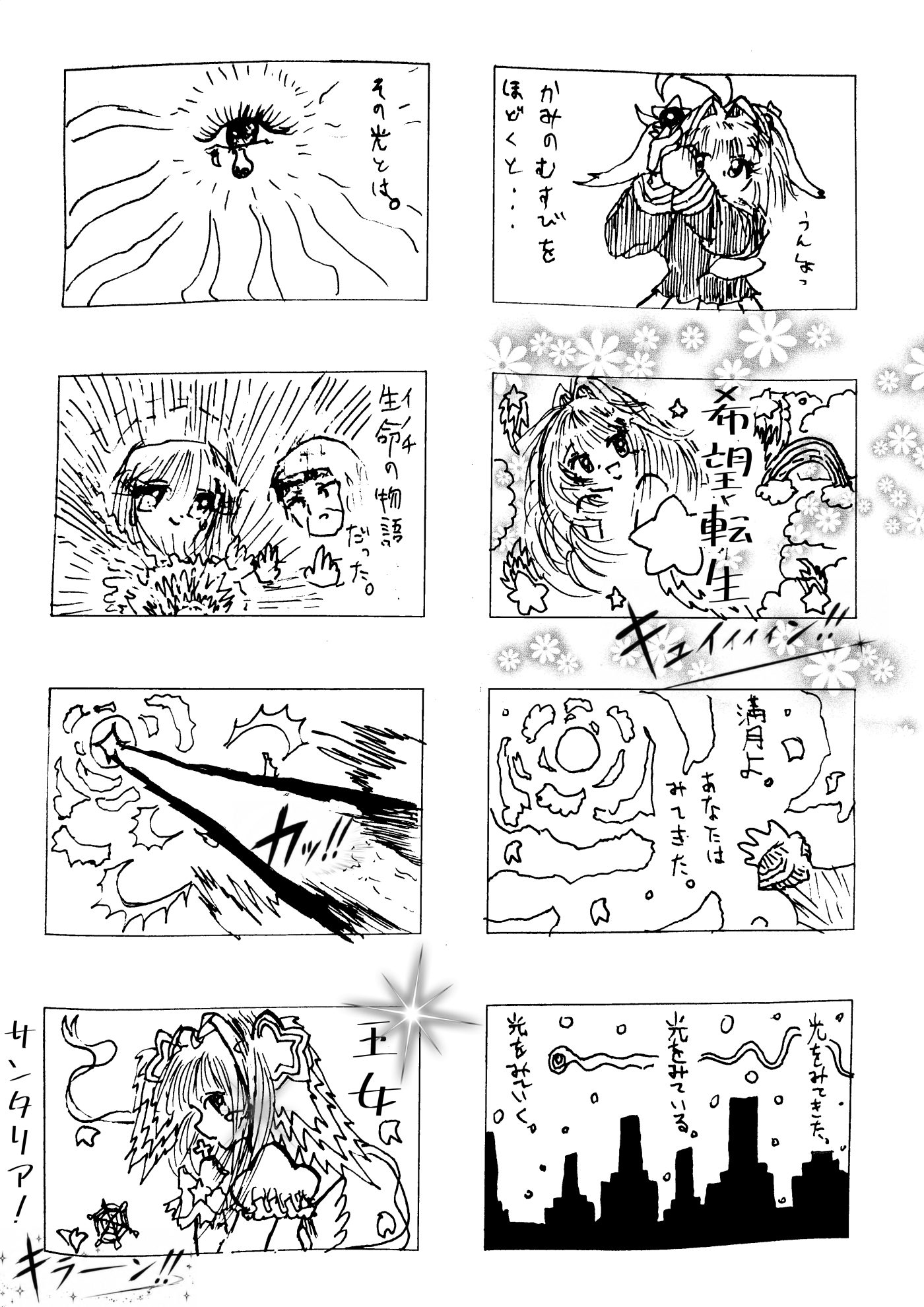
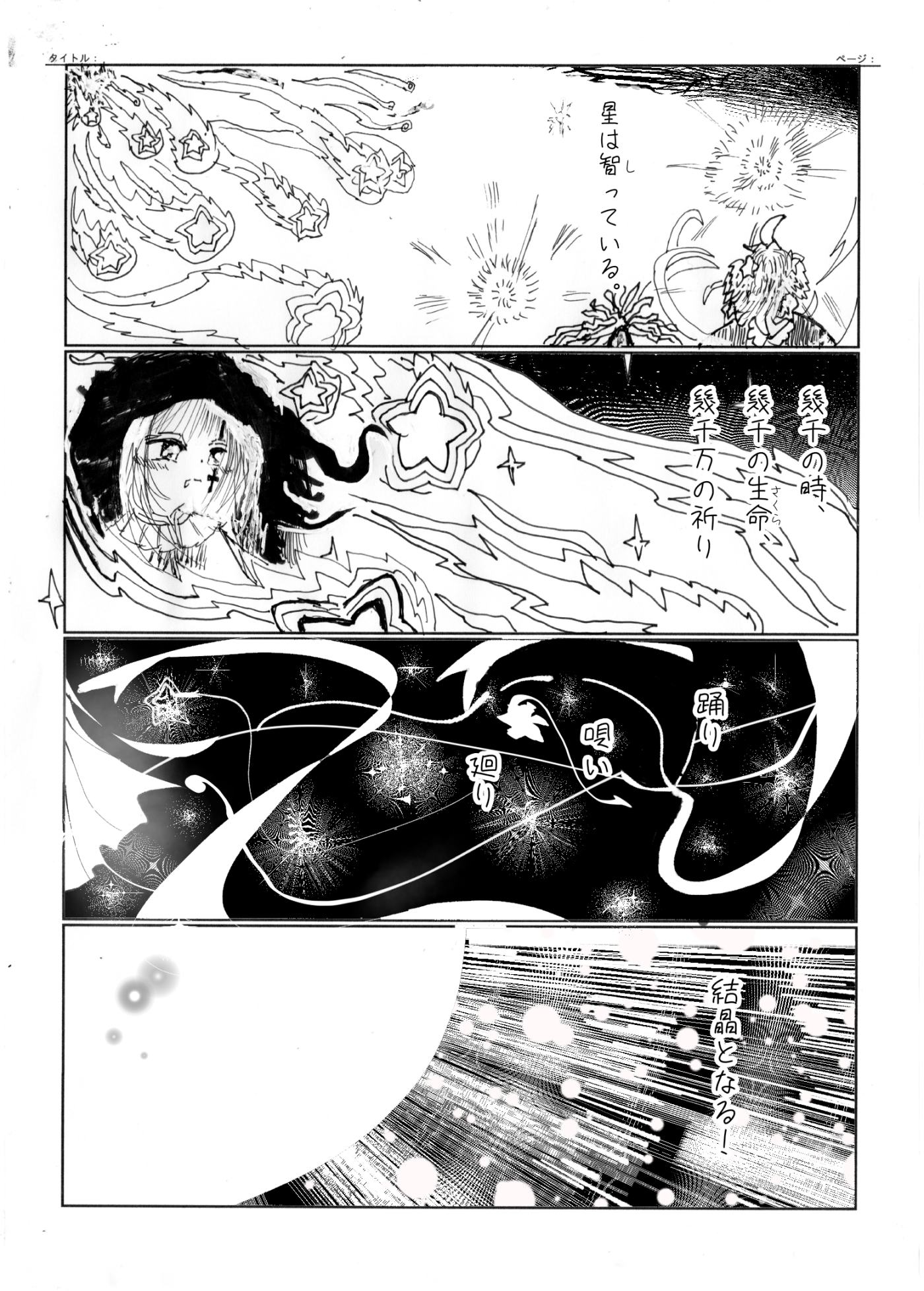
The star is the main subject of everything we make. It does not speak or teach, and it does not claim to be the thing it points to. It simply shines where it can be seen. That is the whole ambition of our church and our works: to stand where we can be seen, honestly and without ornament, and to point toward Bethlehem.
- The star is seen — we look up and keep our eyes open to what is given.
- The star is followed — we make our works as a journey toward Christ, not as a product.
- The star leads to a gift — like the wise men, we give what we have, freely. And the star points to what is coming: the Kingdom of God, the true subject of our work 来 (KURU).
Read next: Christmas · KIBOJO and the Catholic Faith · IHS Bethlehem Church