
A History of Faith and Science
The story of faith and astronomy is often told only as a story of conflict. In reality, however, many astronomers came from within the Church, and observation has continued there over the centuries. We believe it is important to know both the light and the shadows.
Nicolaus Copernicus (1473–1543)
While serving the Church as a cathedral canon in Poland, he developed a model of the universe with the Sun at its center and wrote “On the Revolutions of the Heavenly Spheres” (1543).
Johannes Kepler (1571–1630)
A Lutheran astronomer, he discovered the laws of planetary motion, including the fact that planets travel in elliptical orbits.
The Trial of Galileo (1633)
Galileo Galilei used the telescope to observe the moons of Jupiter and the phases of Venus, and he supported the heliocentric theory, but he was convicted by the Inquisition. It is a chapter in which the Church and science collided, and one that must not be forgotten.
Georges Lemaître (1894–1966)
A Belgian Catholic priest and astronomer, he showed on theoretical grounds that the universe is expanding and proposed the idea later called the “Big Bang” (the hypothesis of the primeval atom).
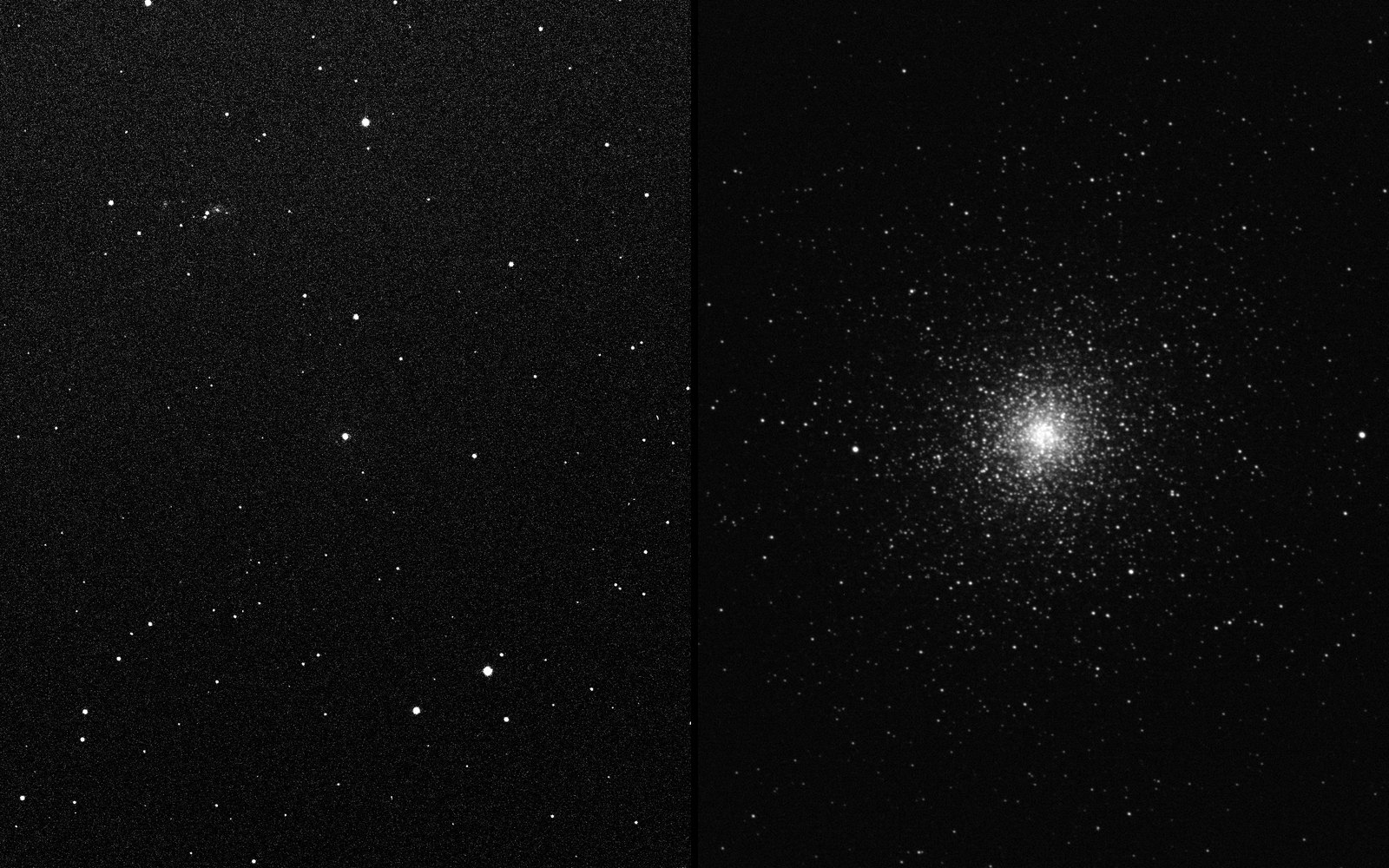
The Vatican Observatory
The observatory was given its present form by Pope Leo XIII in 1891. Research continues there today as a sign that the Church has not turned its back on science.
We believe that observing and believing are both ways of receiving what we see honestly, without distorting it.