Consolation through the Arts
In the medieval monastery the arts were part of the care of the sick, not decoration. Pictures, chant, and the psalms reached the sick where no other help could, and the infirmary made use of all three.
The psalms came first. Monks knew the whole Psalter by heart, and when a brother was too weak to read or to stand in choir, the psalms were brought to him. Brothers sat at the bedside and recited them; the penitential psalms and the psalms of trust were said over the sick, and those who could still speak joined in. A sick monk who could do nothing else could still pray the words he had sung all his life, and hear them sung for him.
Chant belonged to the same round. The music of the Office was not kept for the great church alone; the infirmary chapel had its own Office, and its music reached the rooms of those who lay nearby. In the twelfth century a monastery produced a remarkable body of new chant—songs of the soul’s longing and of the beauty of creation—and music of this kind, born in the cloister, was sung within the walls where the sick lay. To hear it was to be held within the community’s praise even while unable to join it.
Books with pictures had their place too. Illuminated manuscripts set the words of Scripture and prayer among images of Christ, the Virgin, and the saints, and of the garden of creation. For one confined to bed, a page could be held up and a picture shown and explained. The painted page did for the eye what chant did for the ear: it gave the sick something beautiful to rest in, and something true to think about.
The arts did not stand outside the infirmary’s work. They were one of the ways the sick were cared for, beside food, bedding, prayer, and the herb garden. A sick brother was not only a body to be kept warm and fed; he was a soul to be consoled, and the monastery consoled him with beauty.
Today there are trained professionals who work with art and music among the sick, within their own disciplines and under their own qualifications. We respect that work and do not claim its titles. What we offer is older and simpler: consolation through the arts, as the monastery gave it.
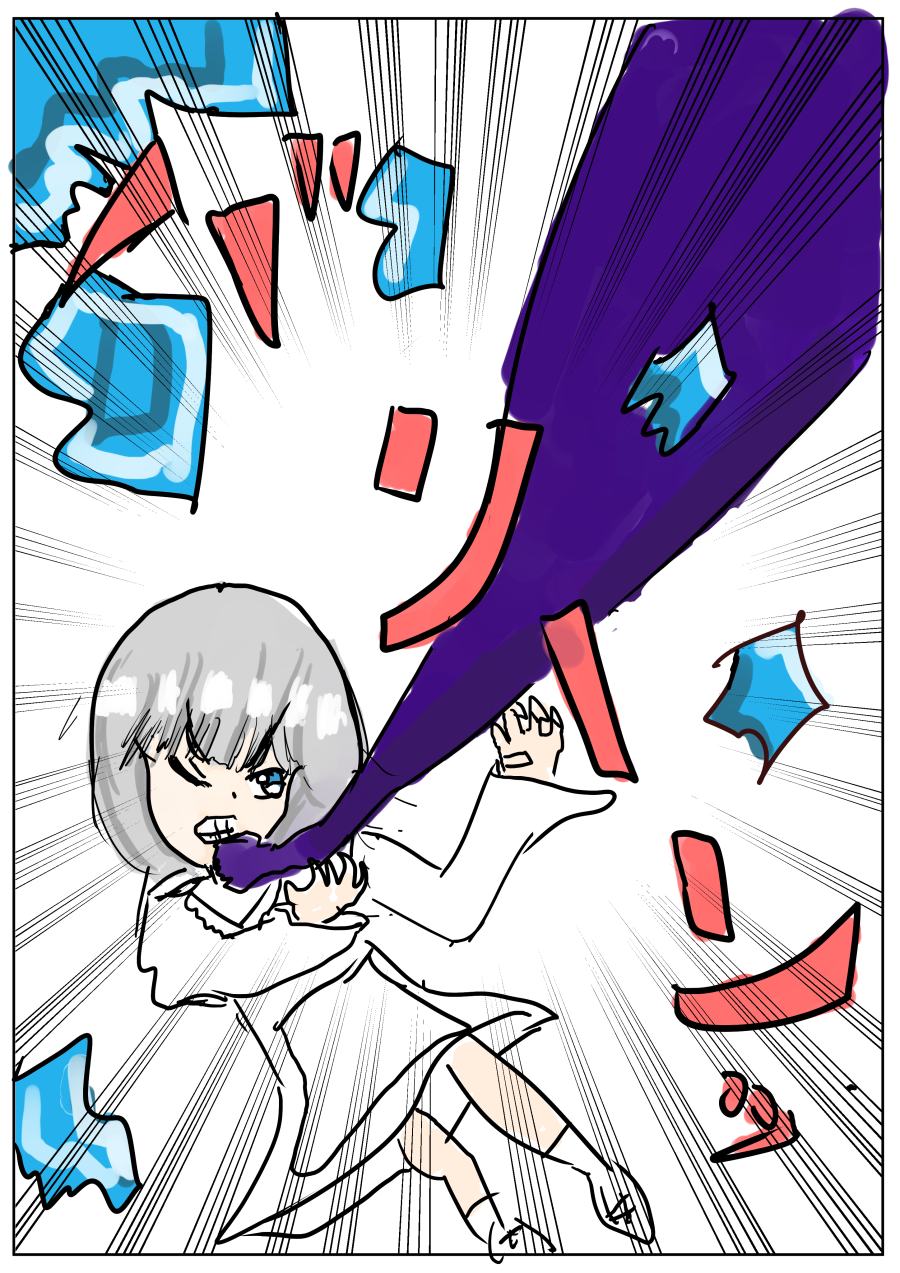
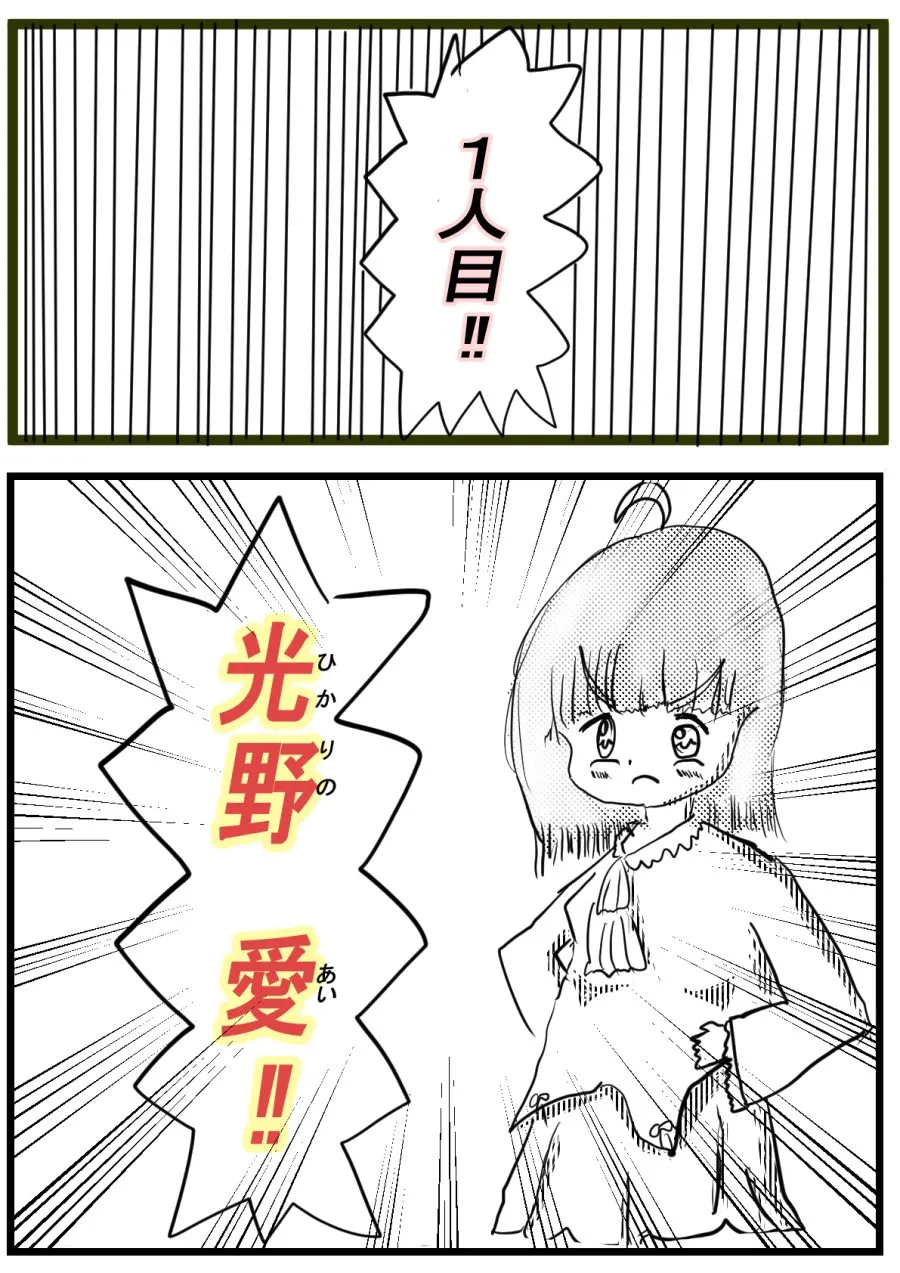
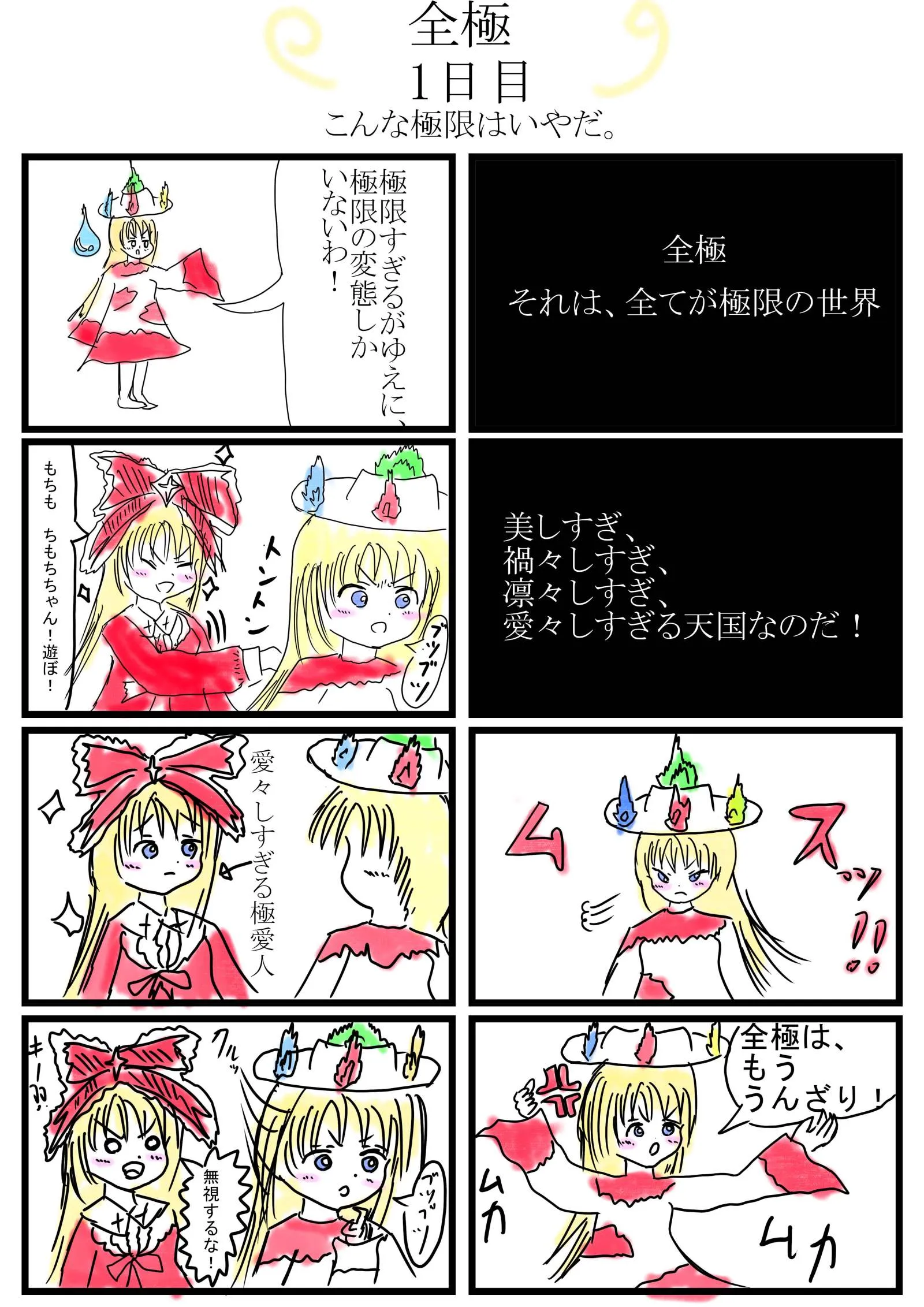
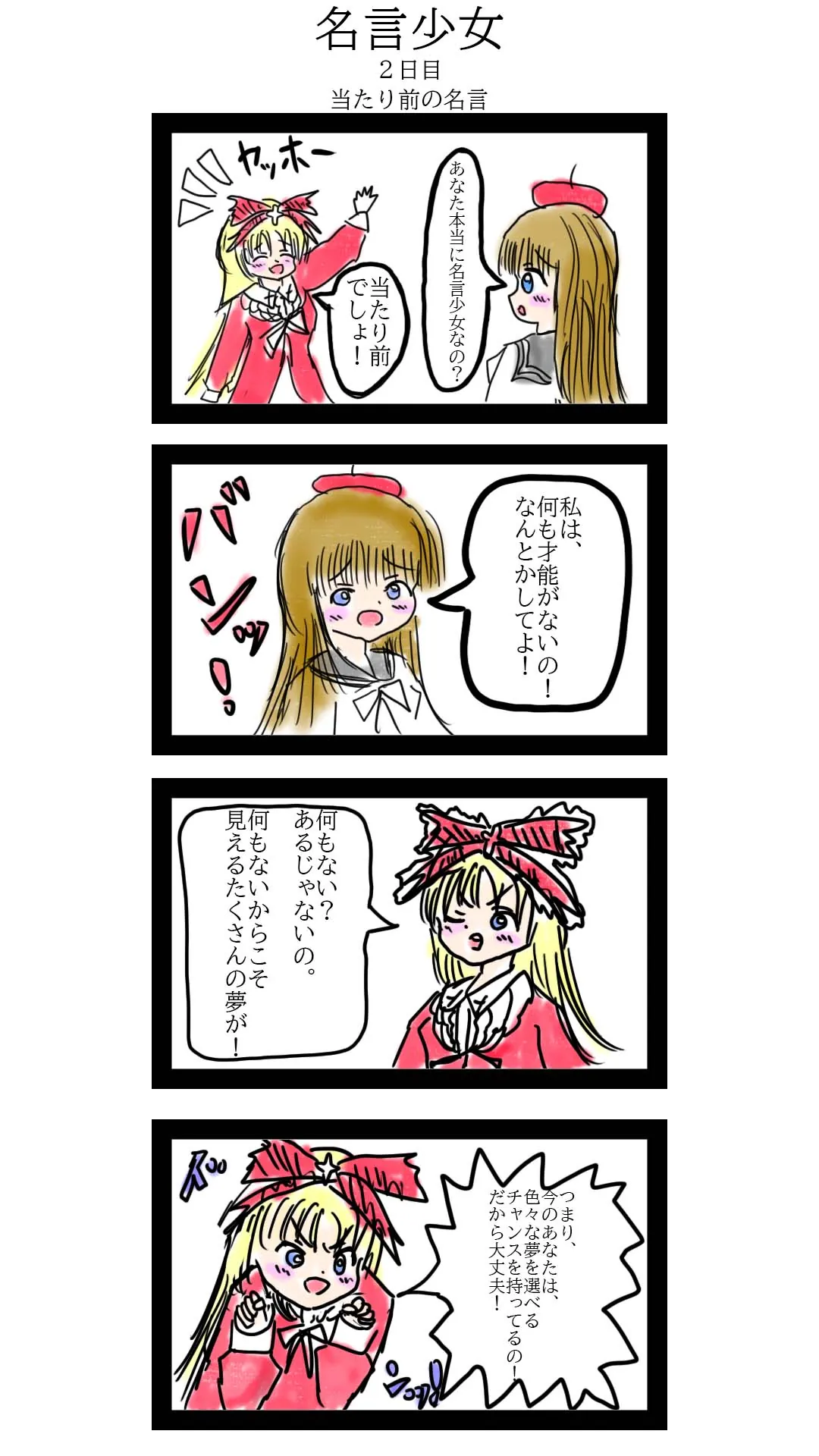
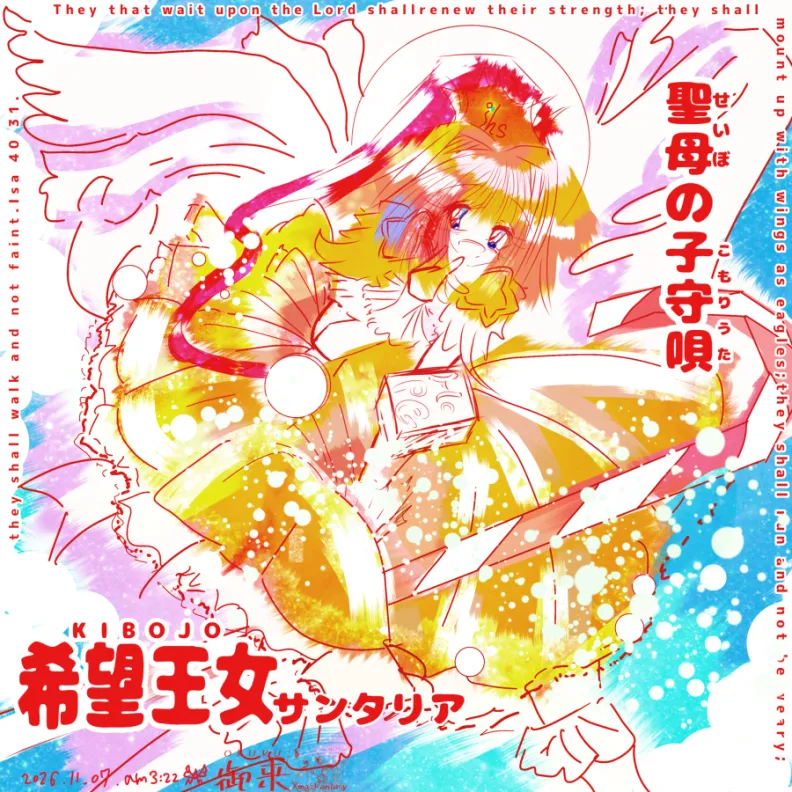
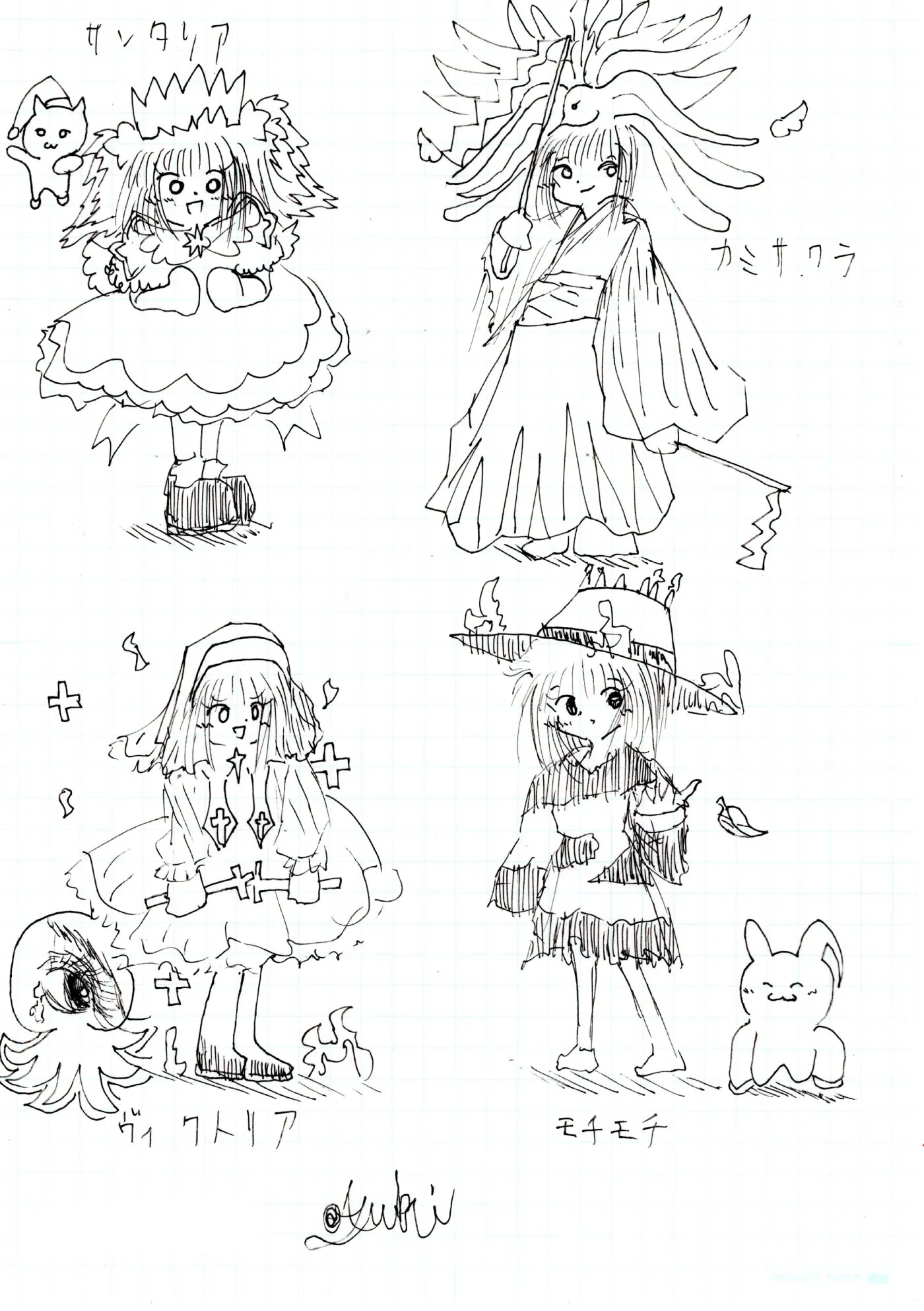
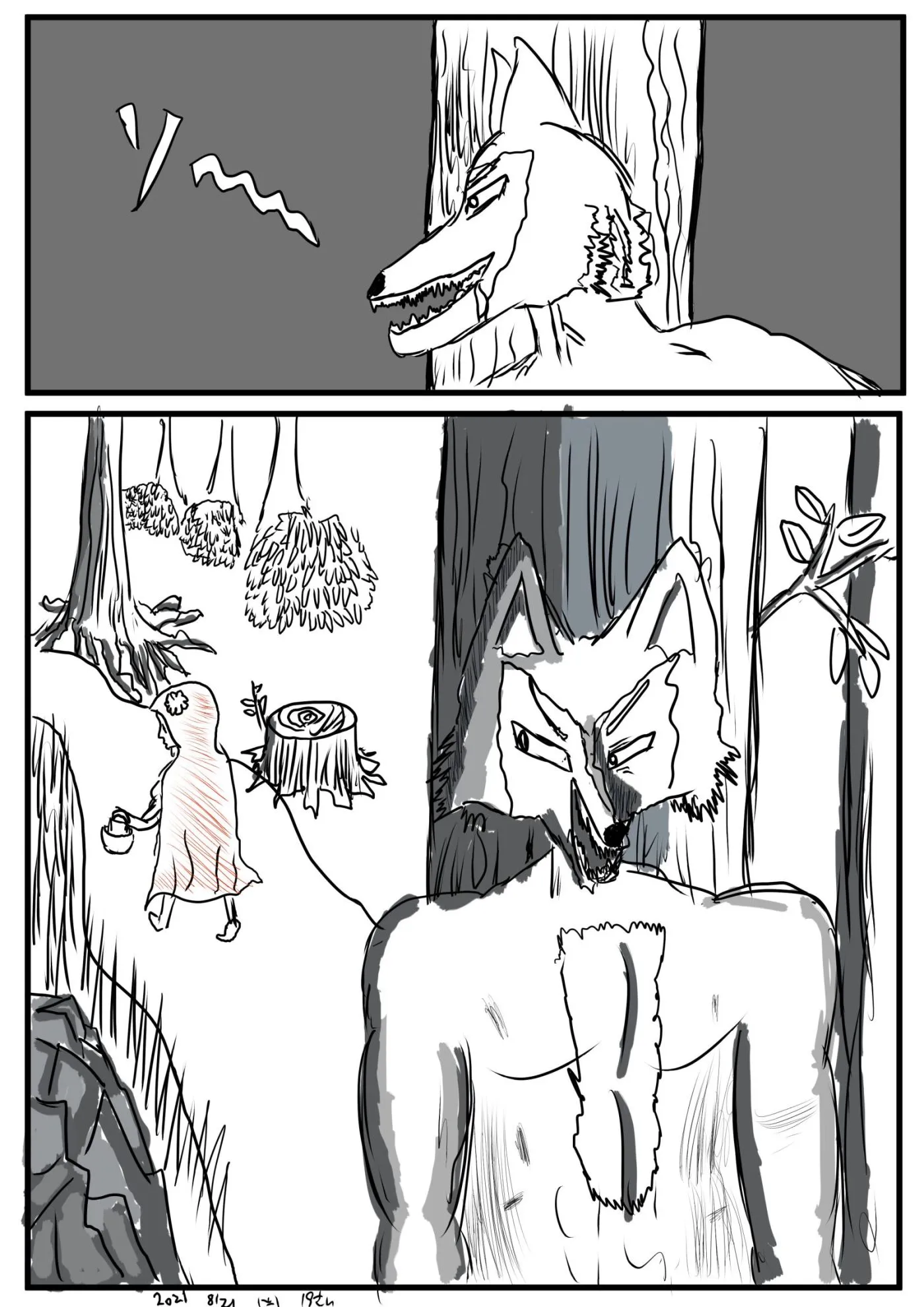
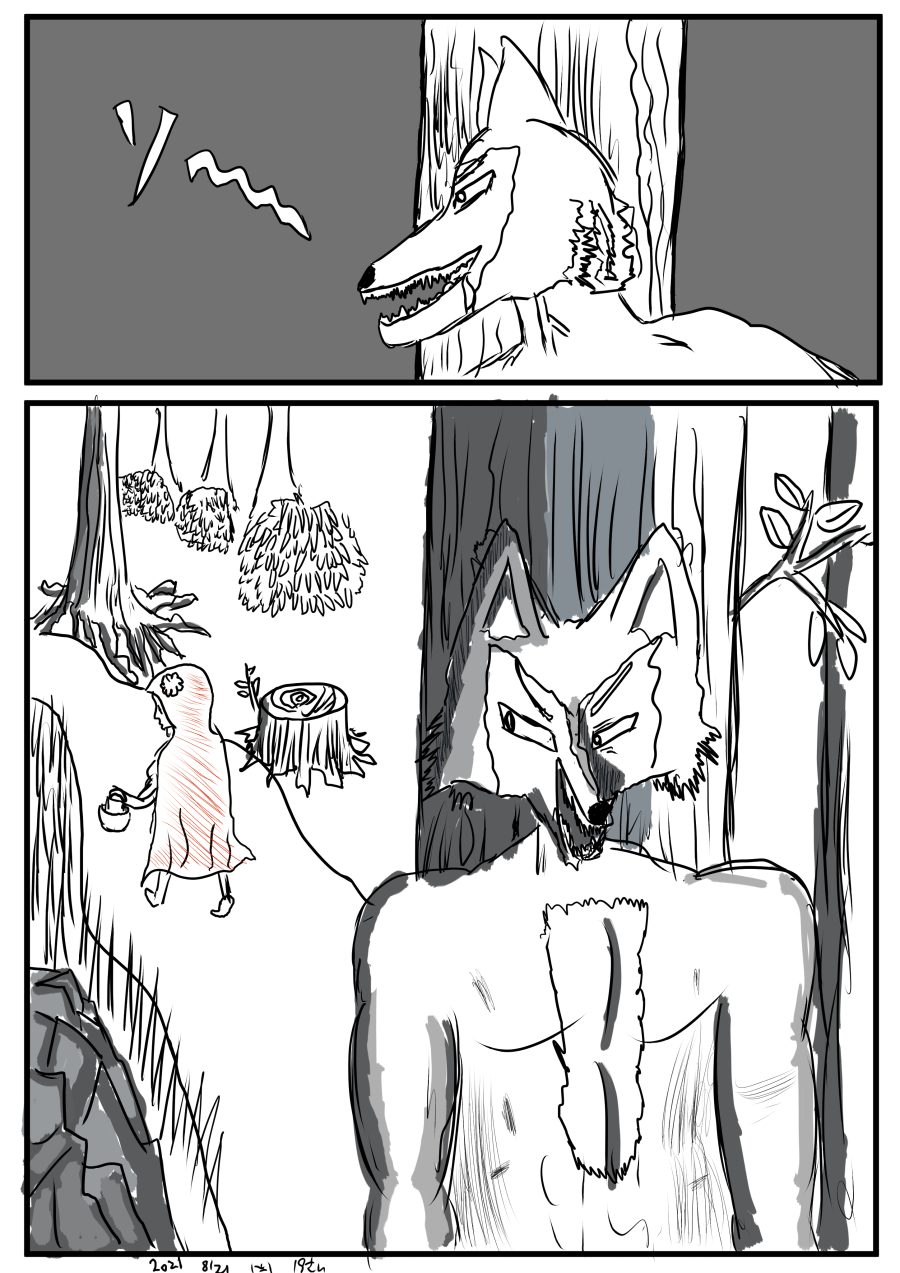
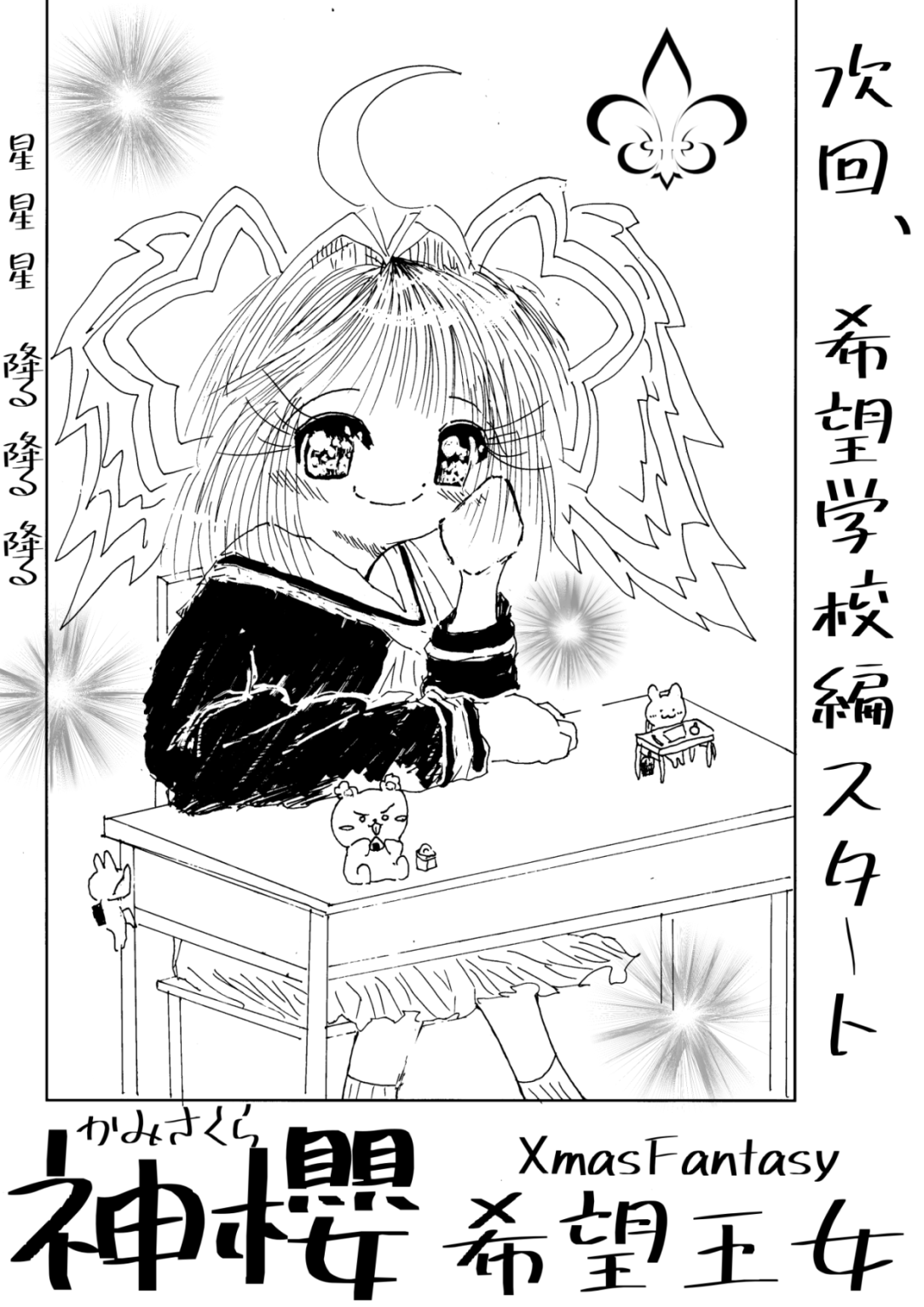
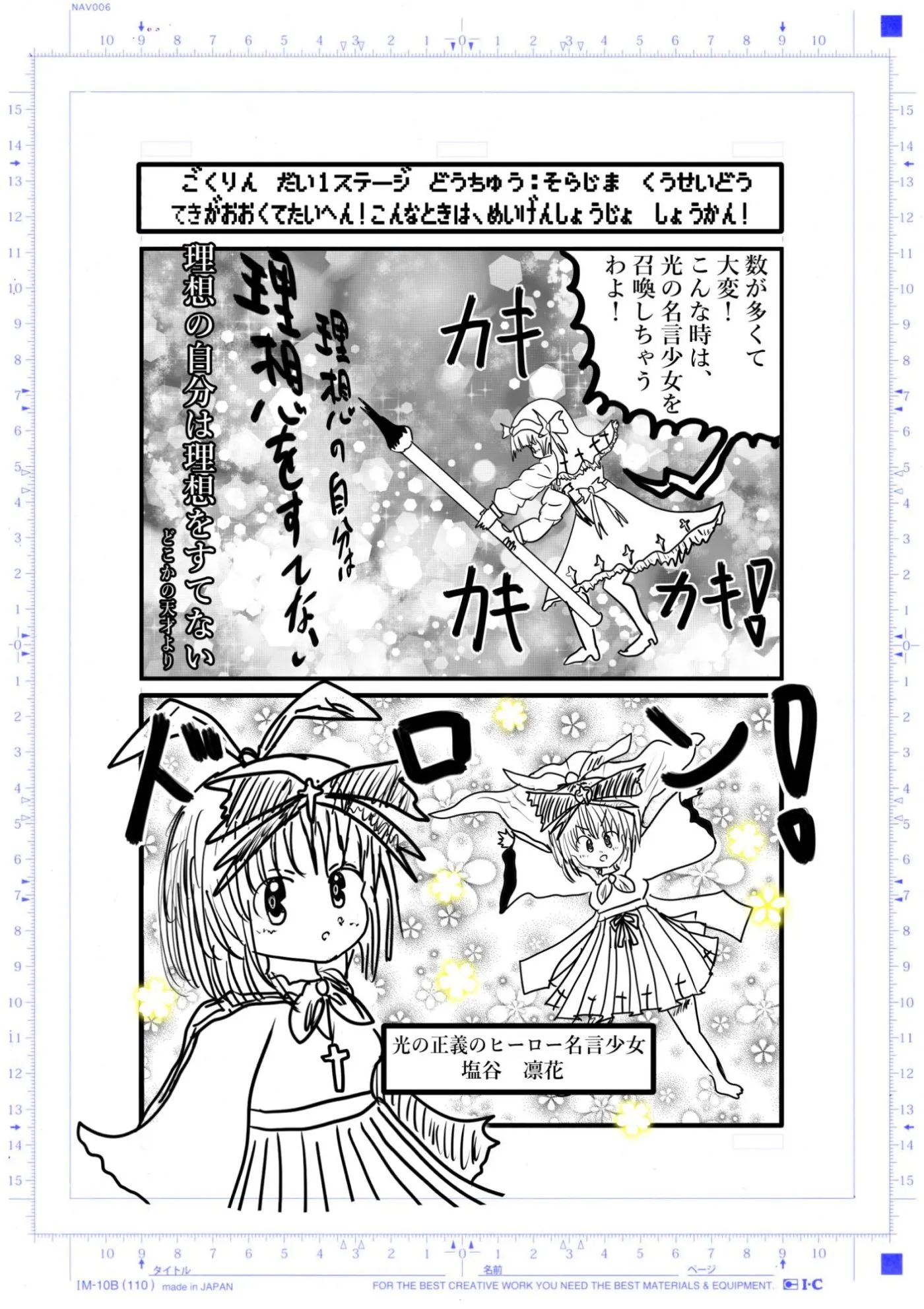
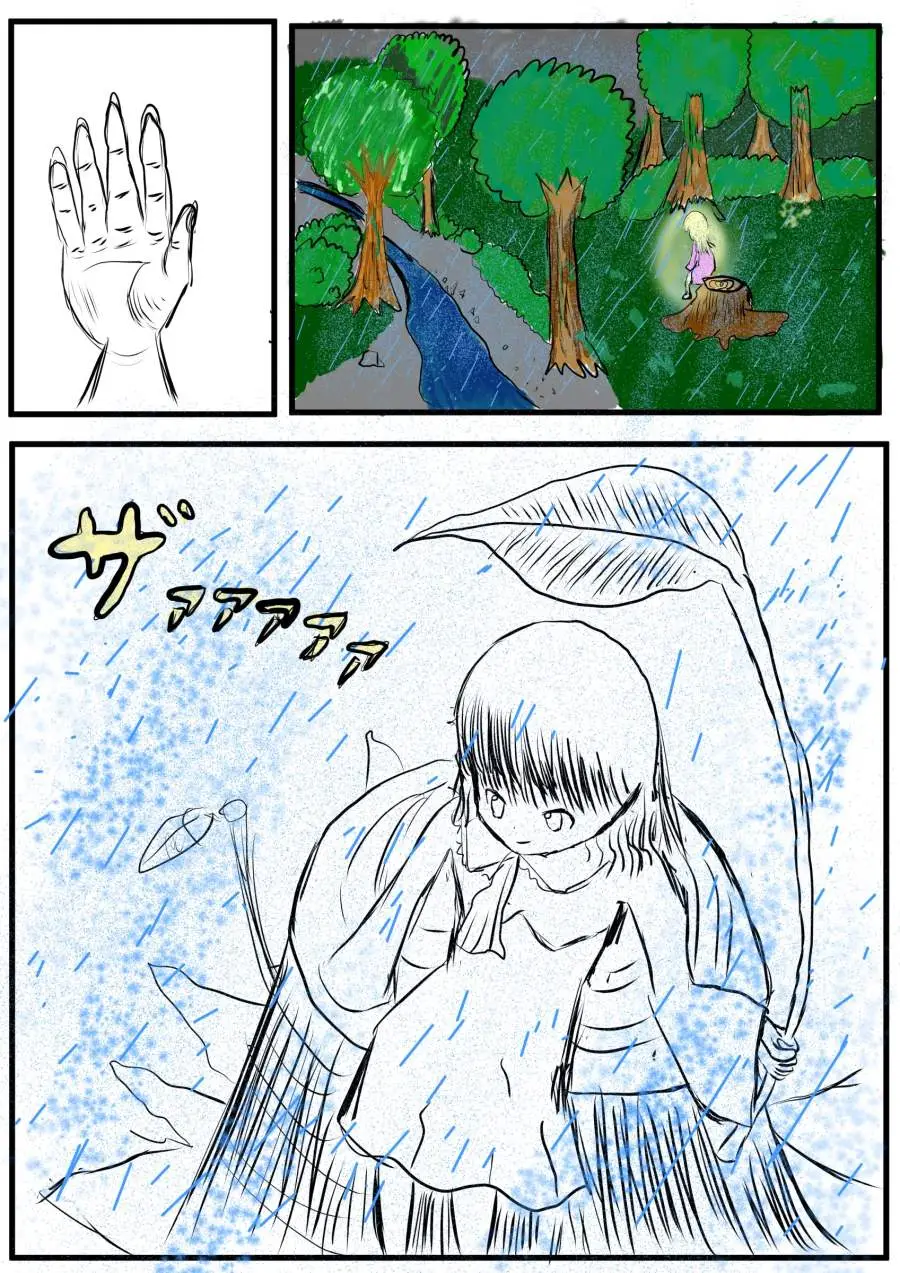
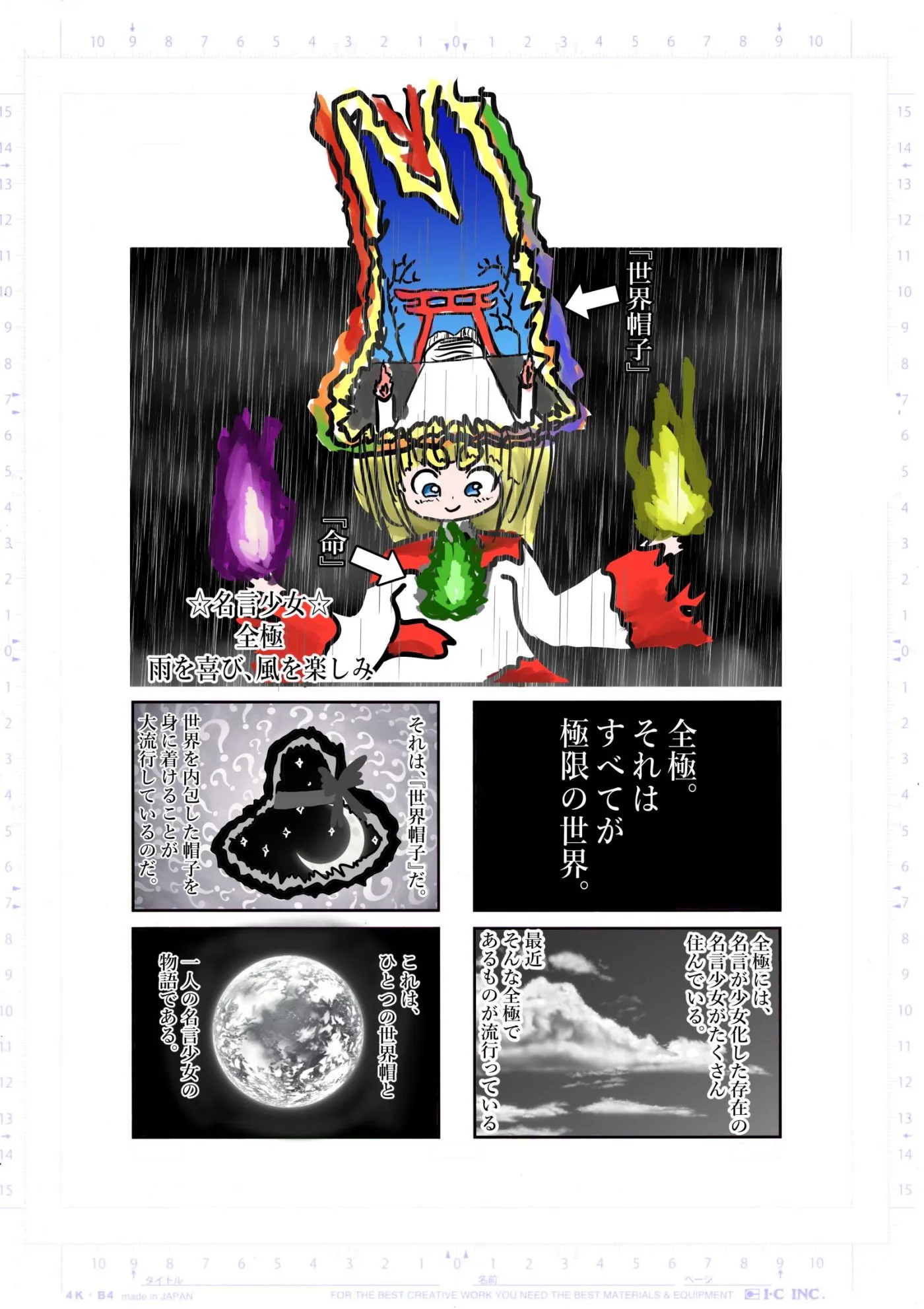
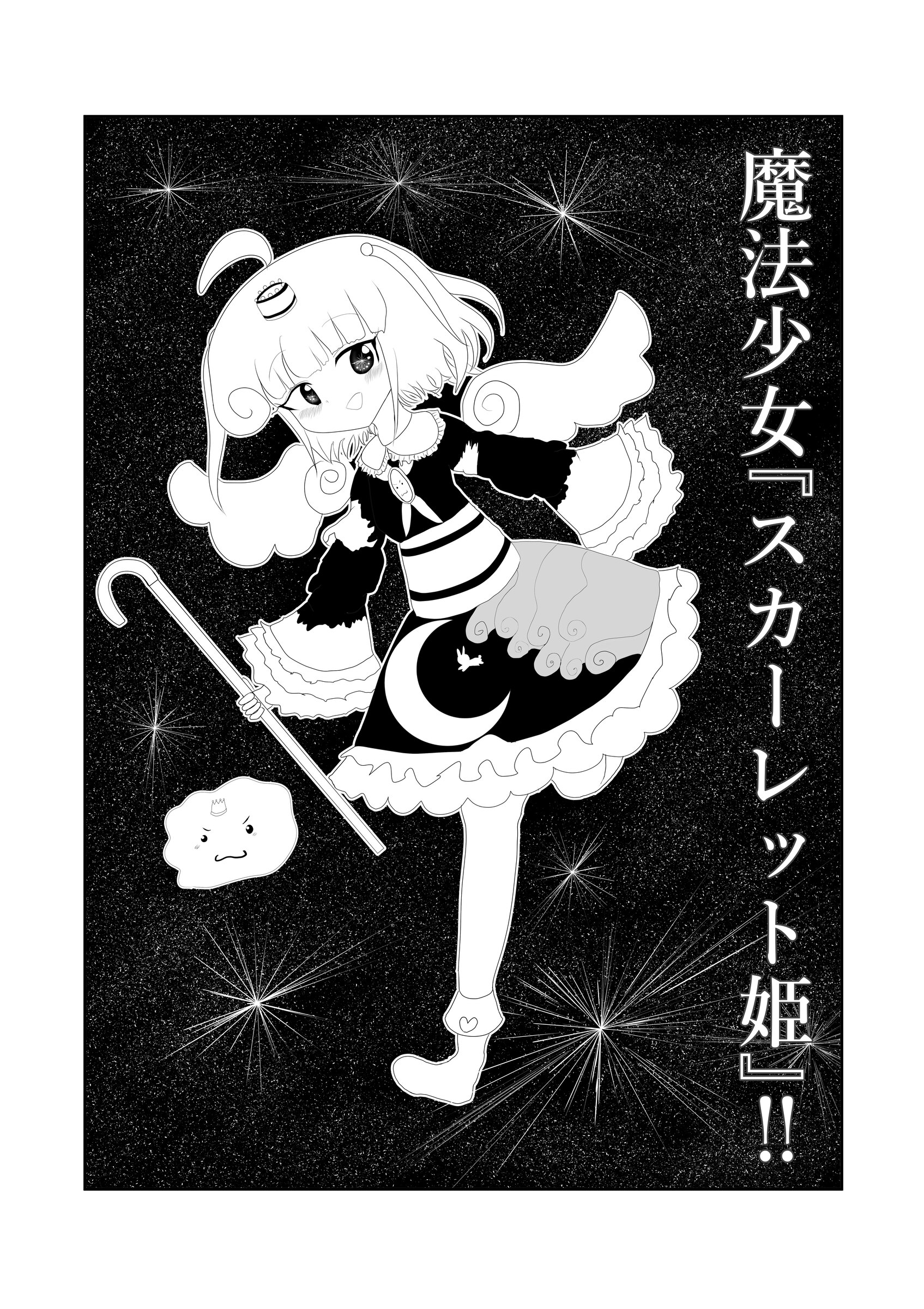
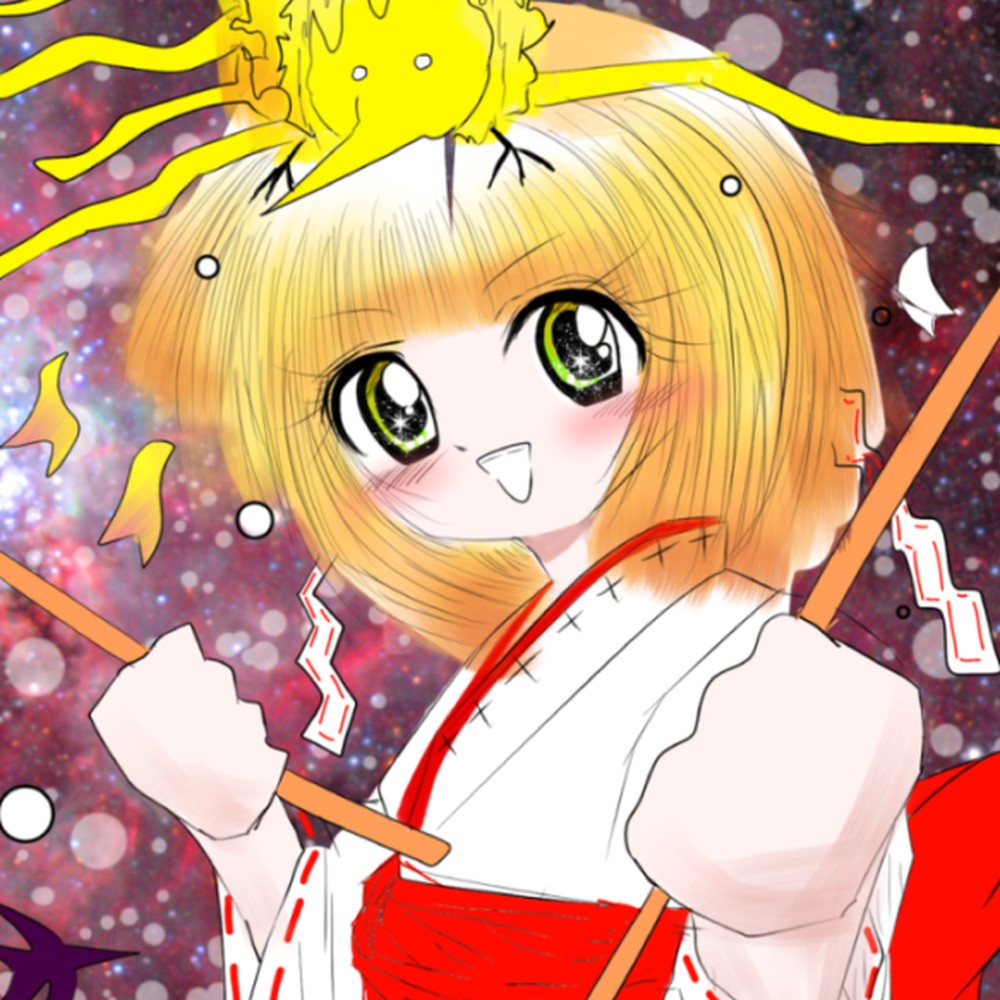
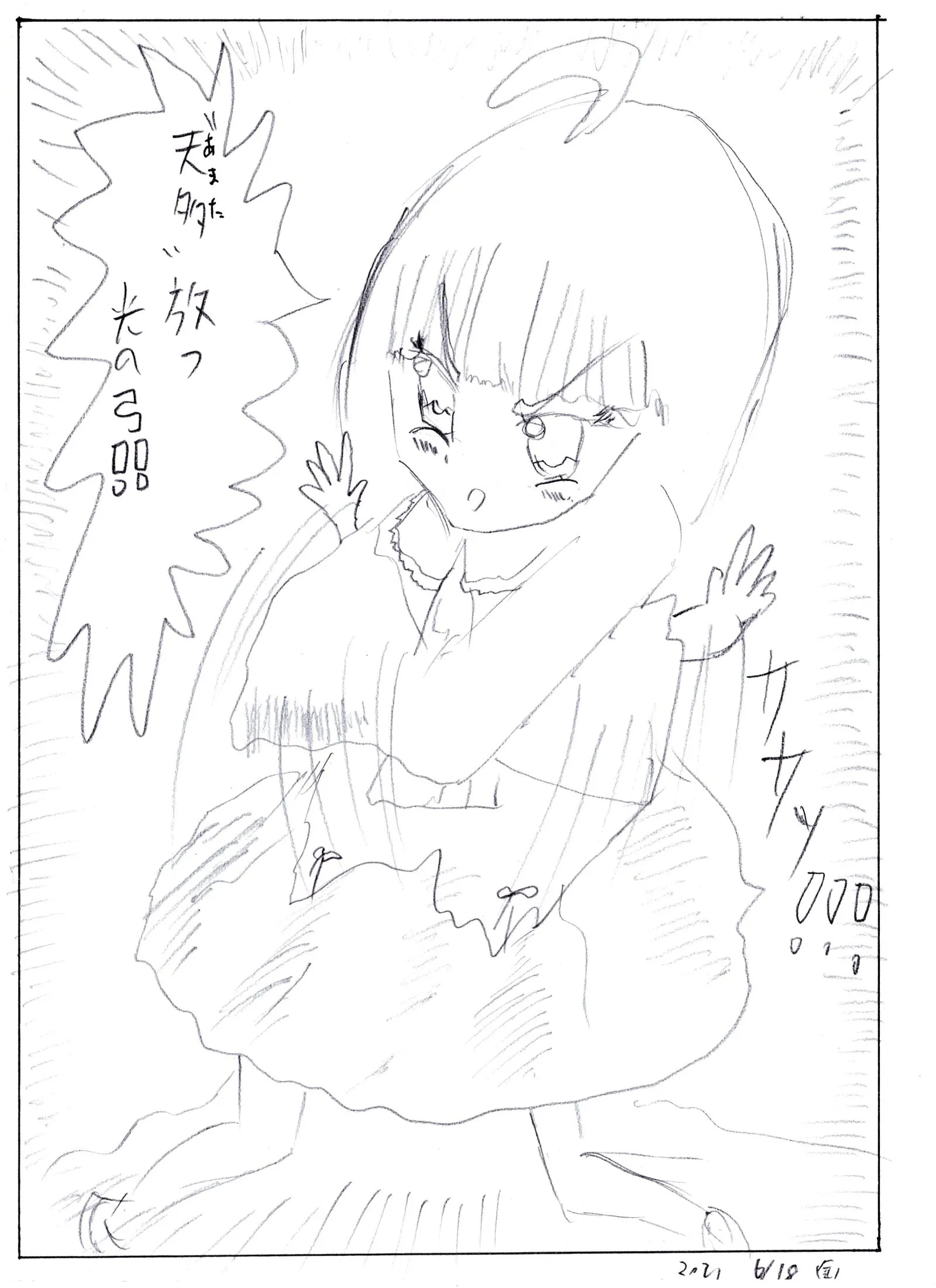
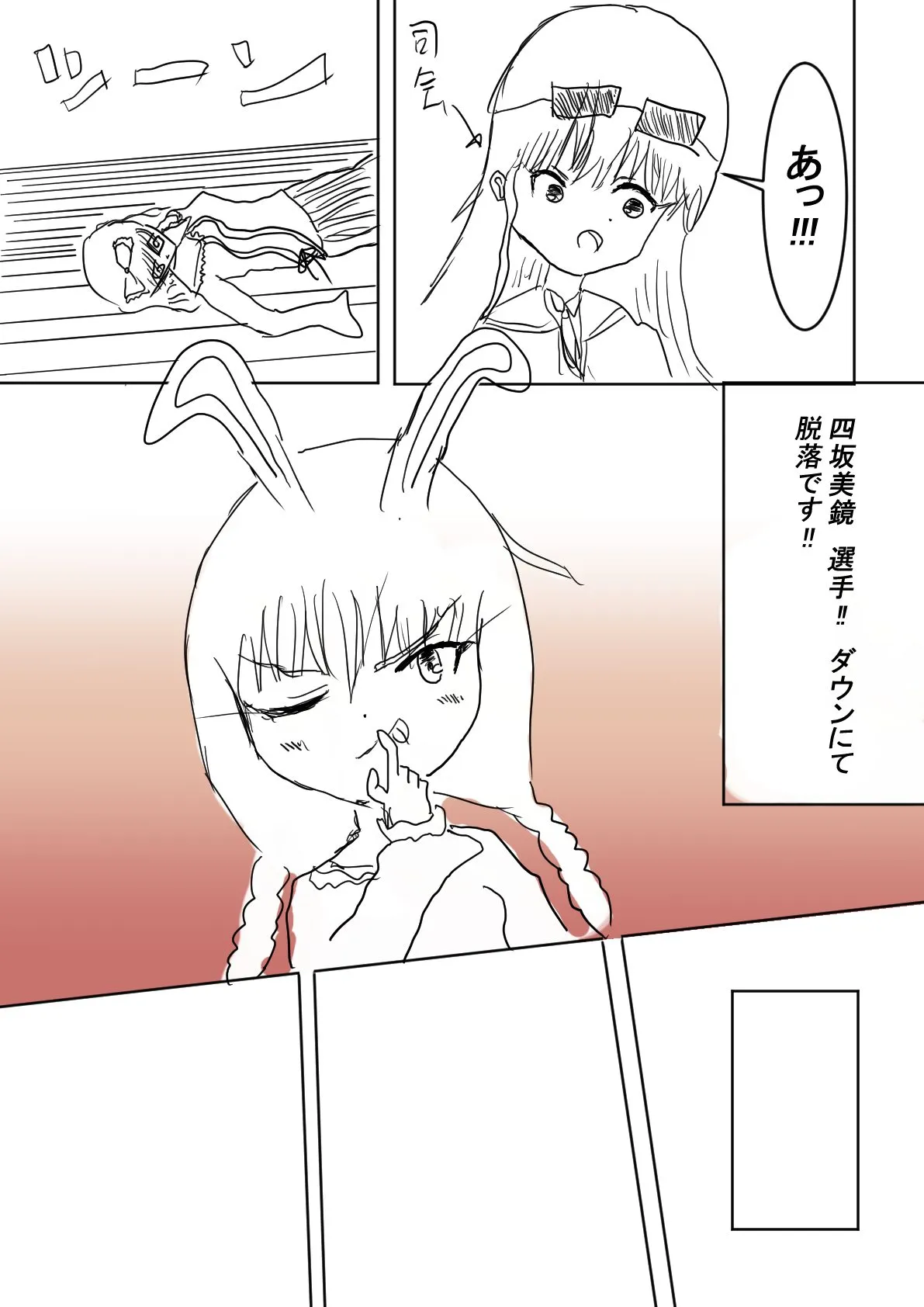
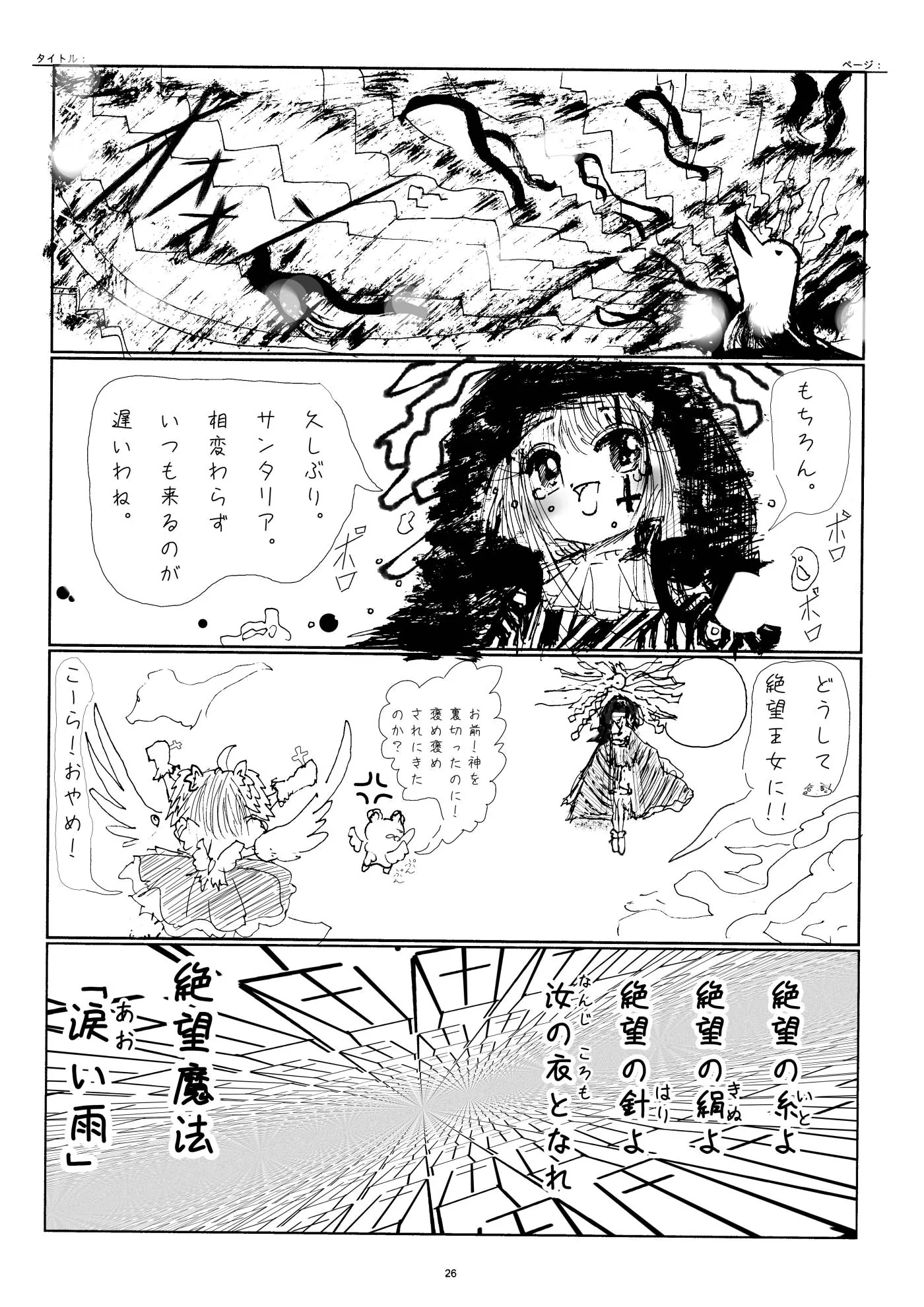
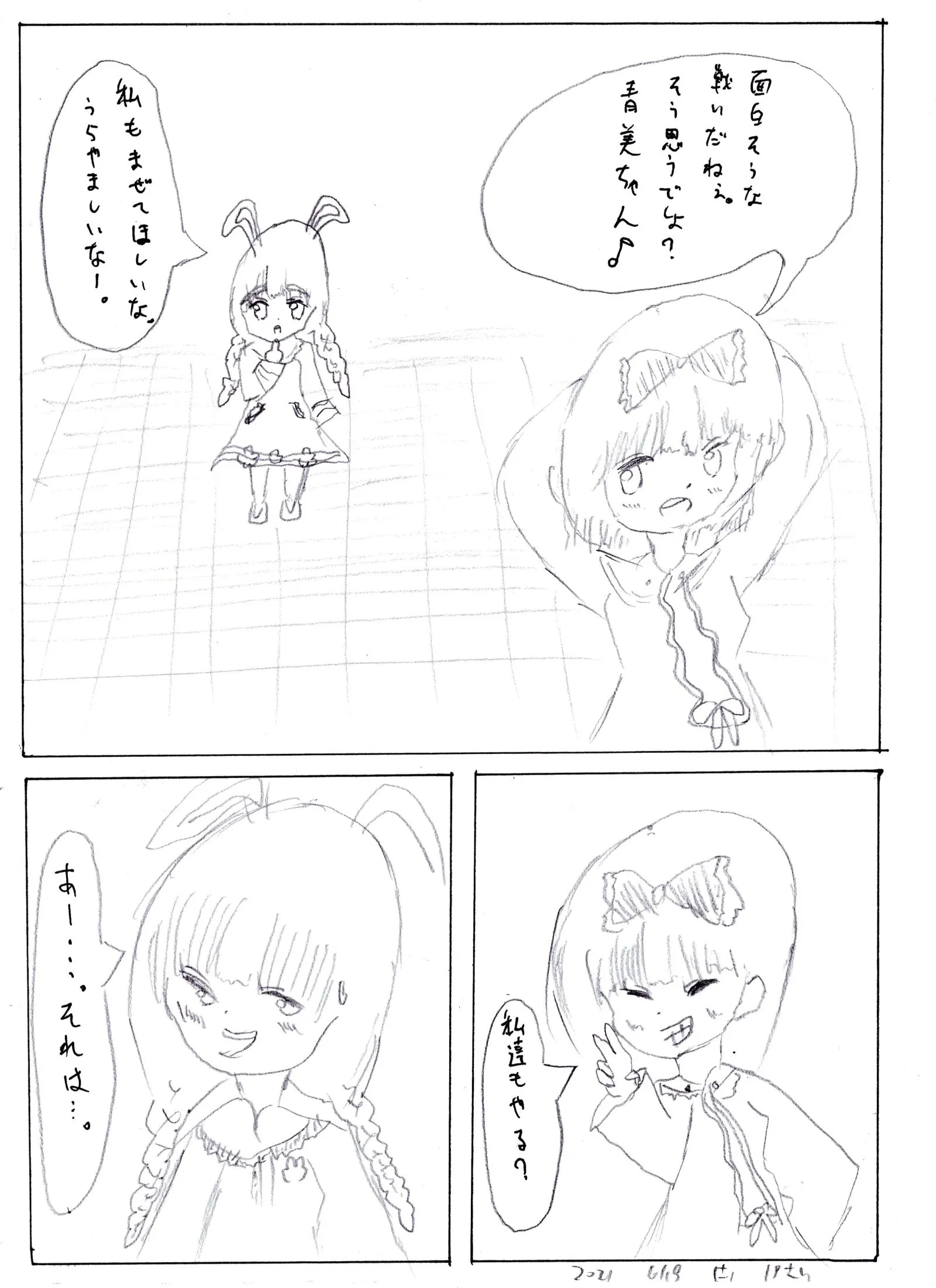
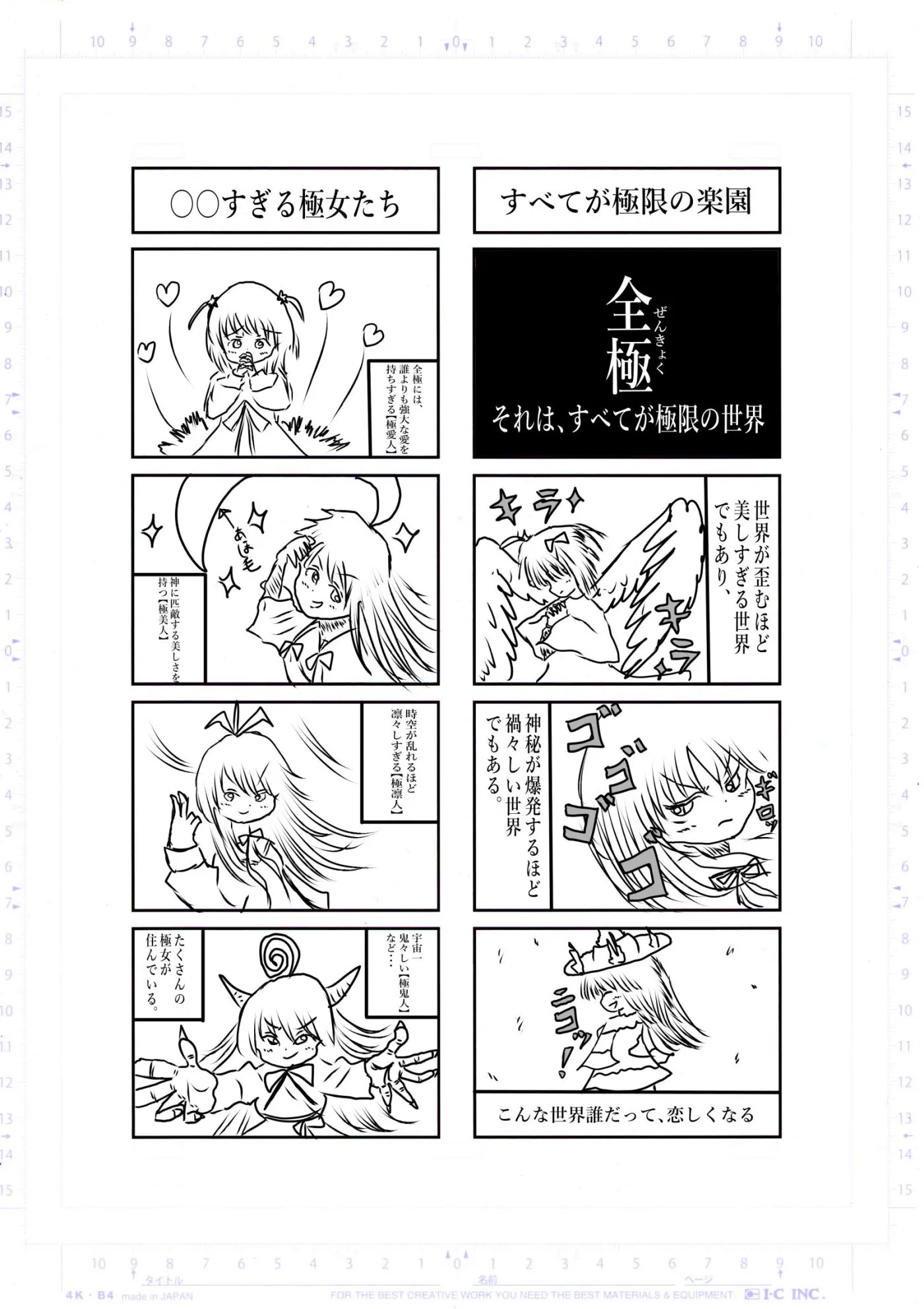
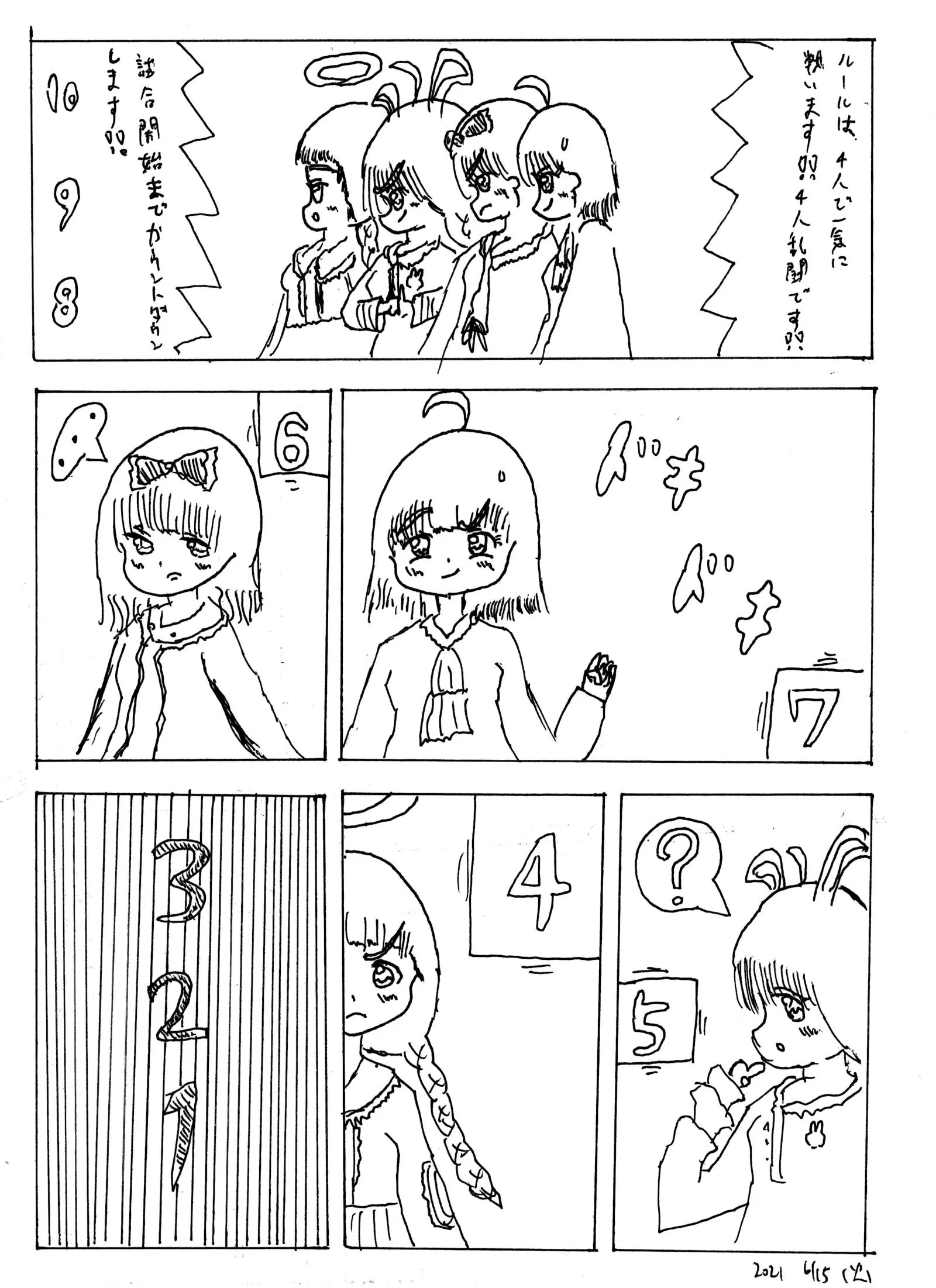
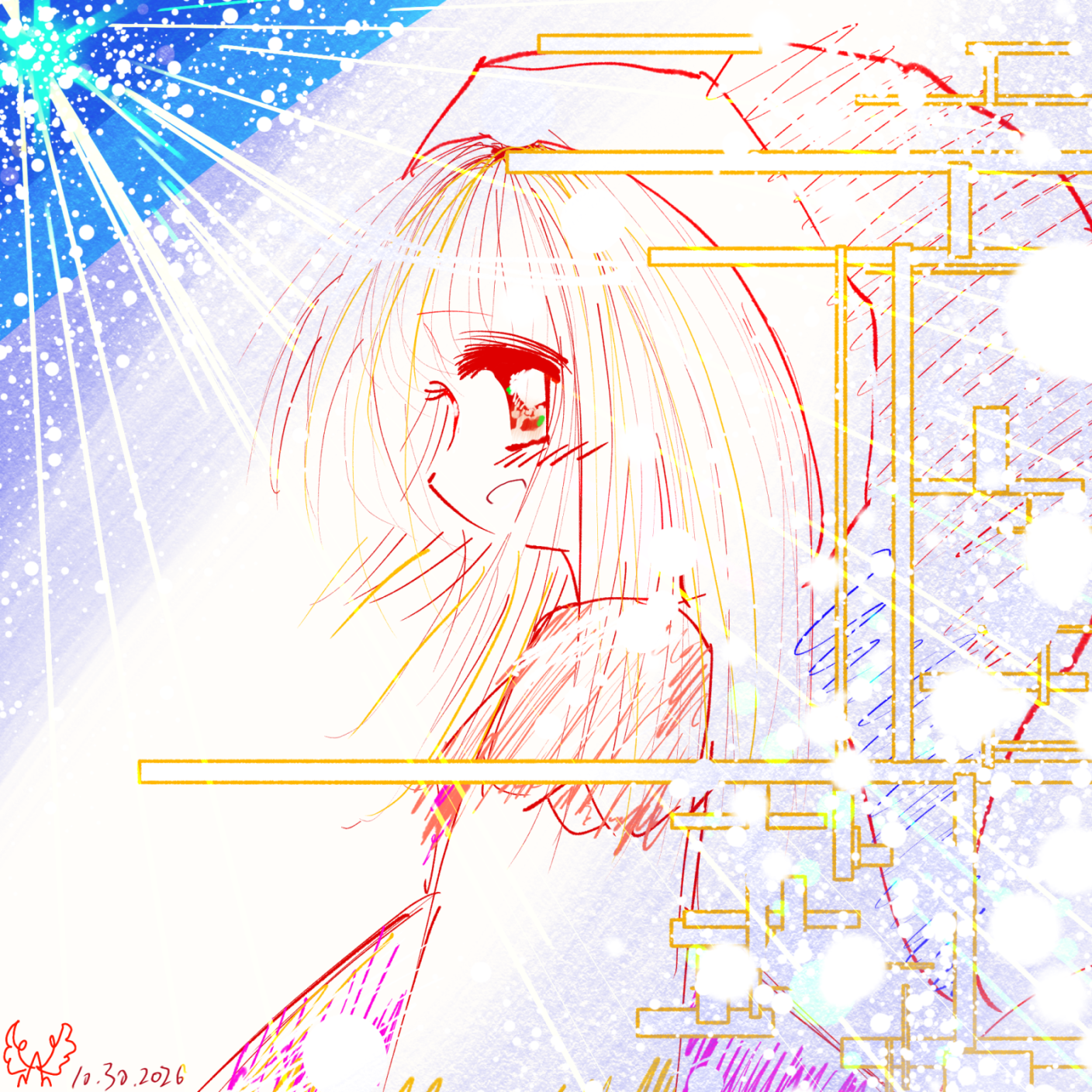
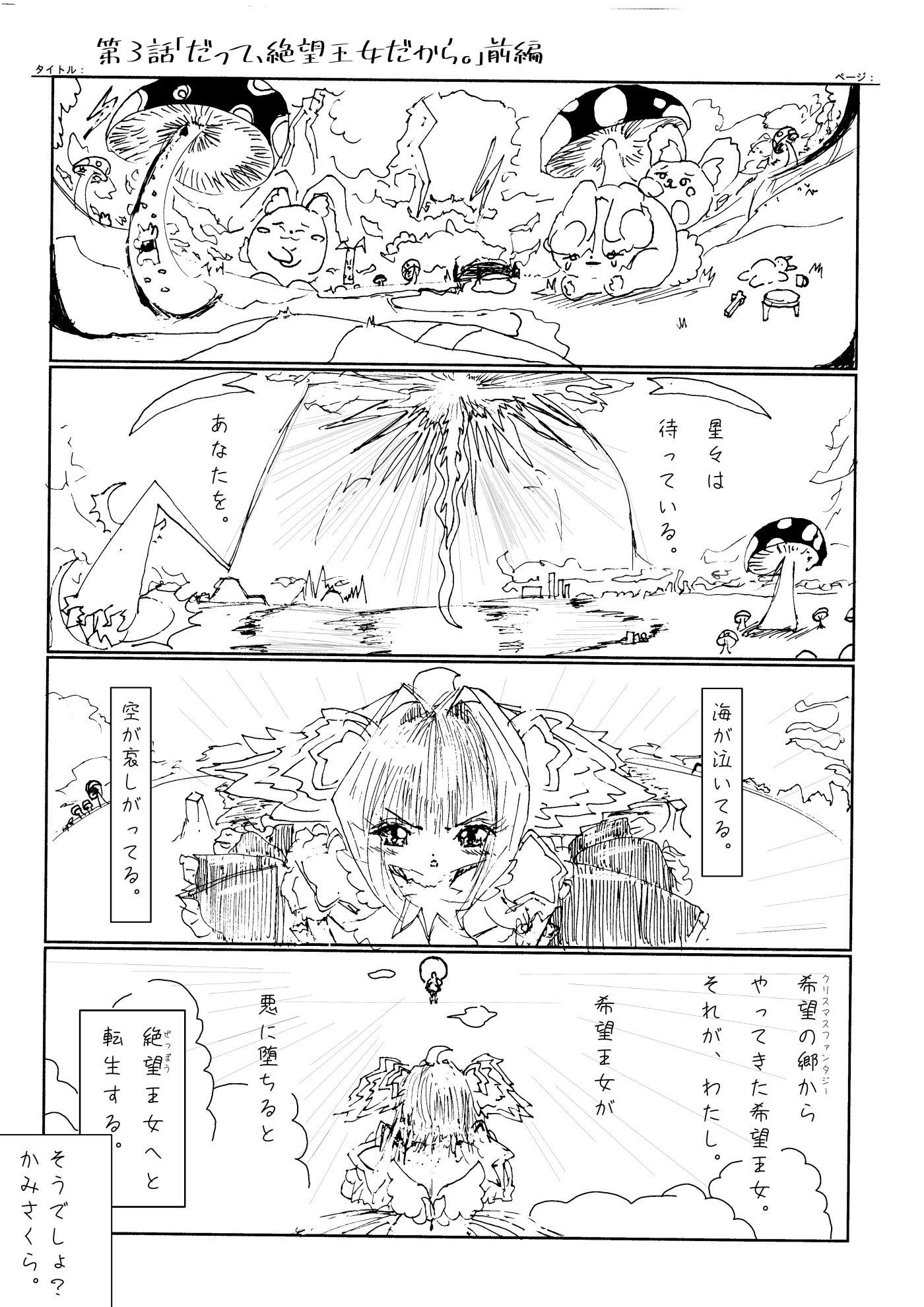
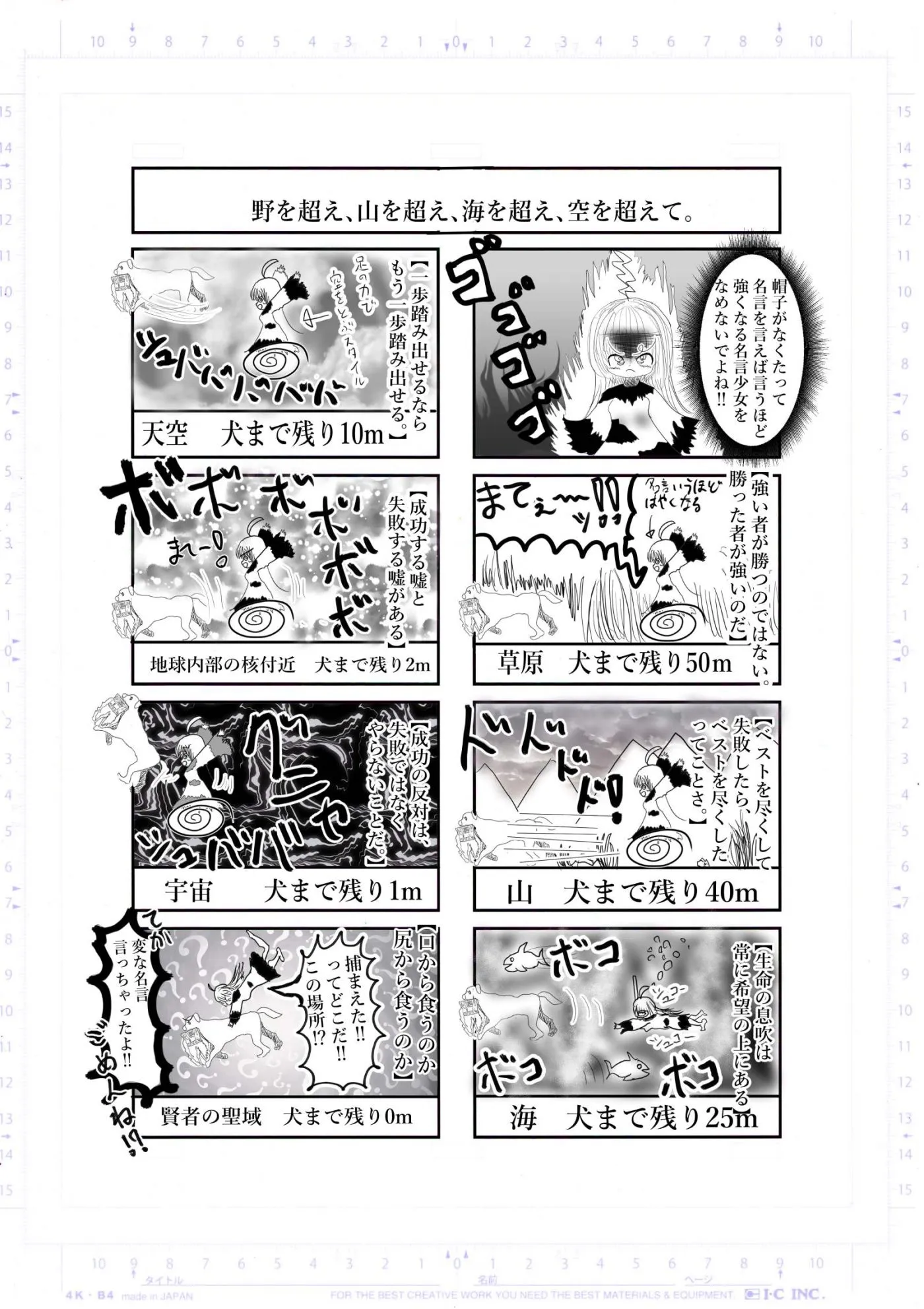
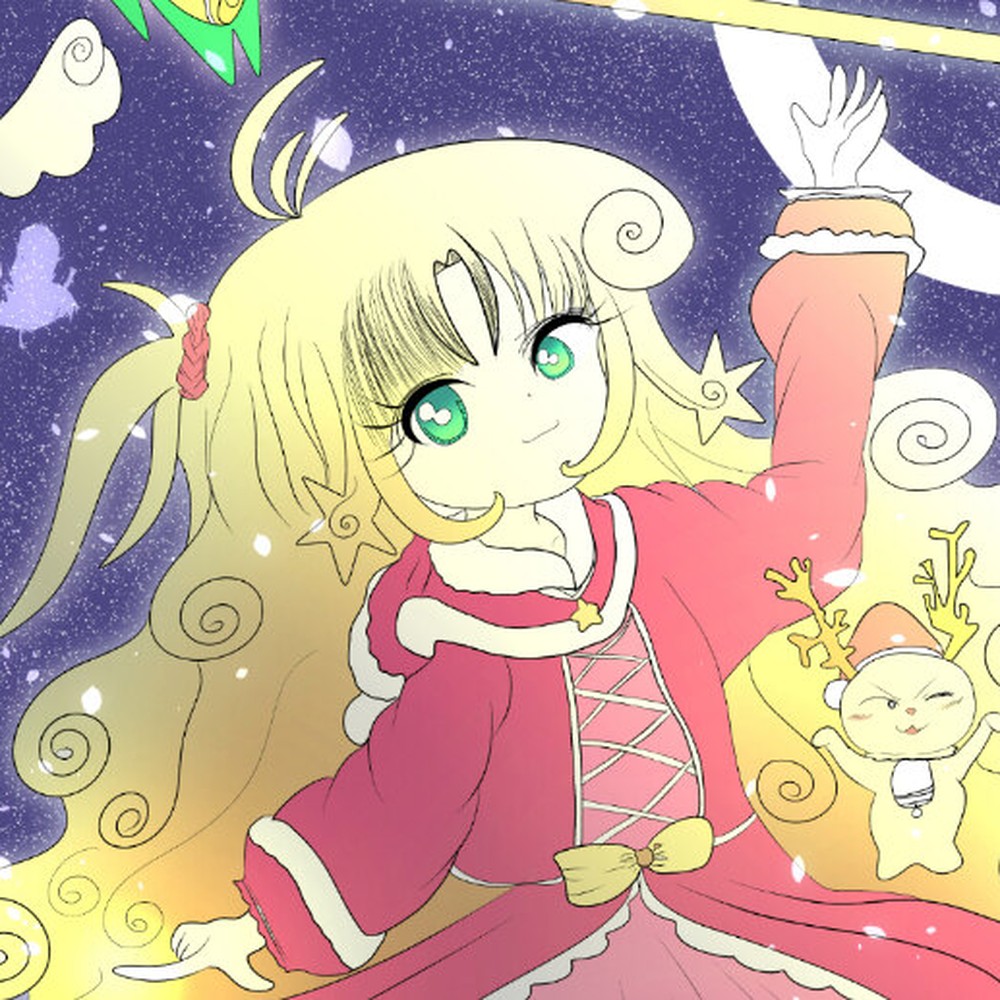
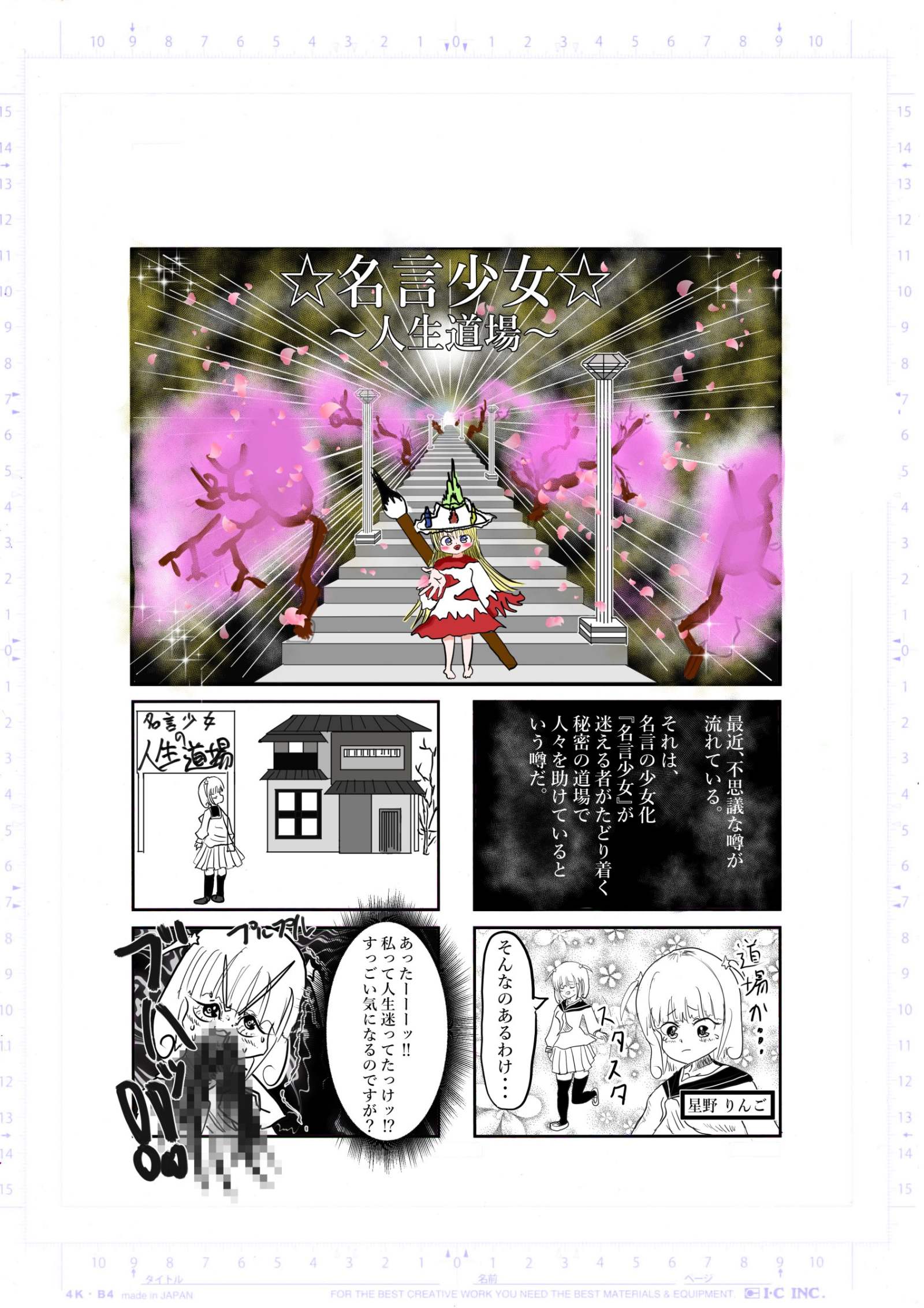
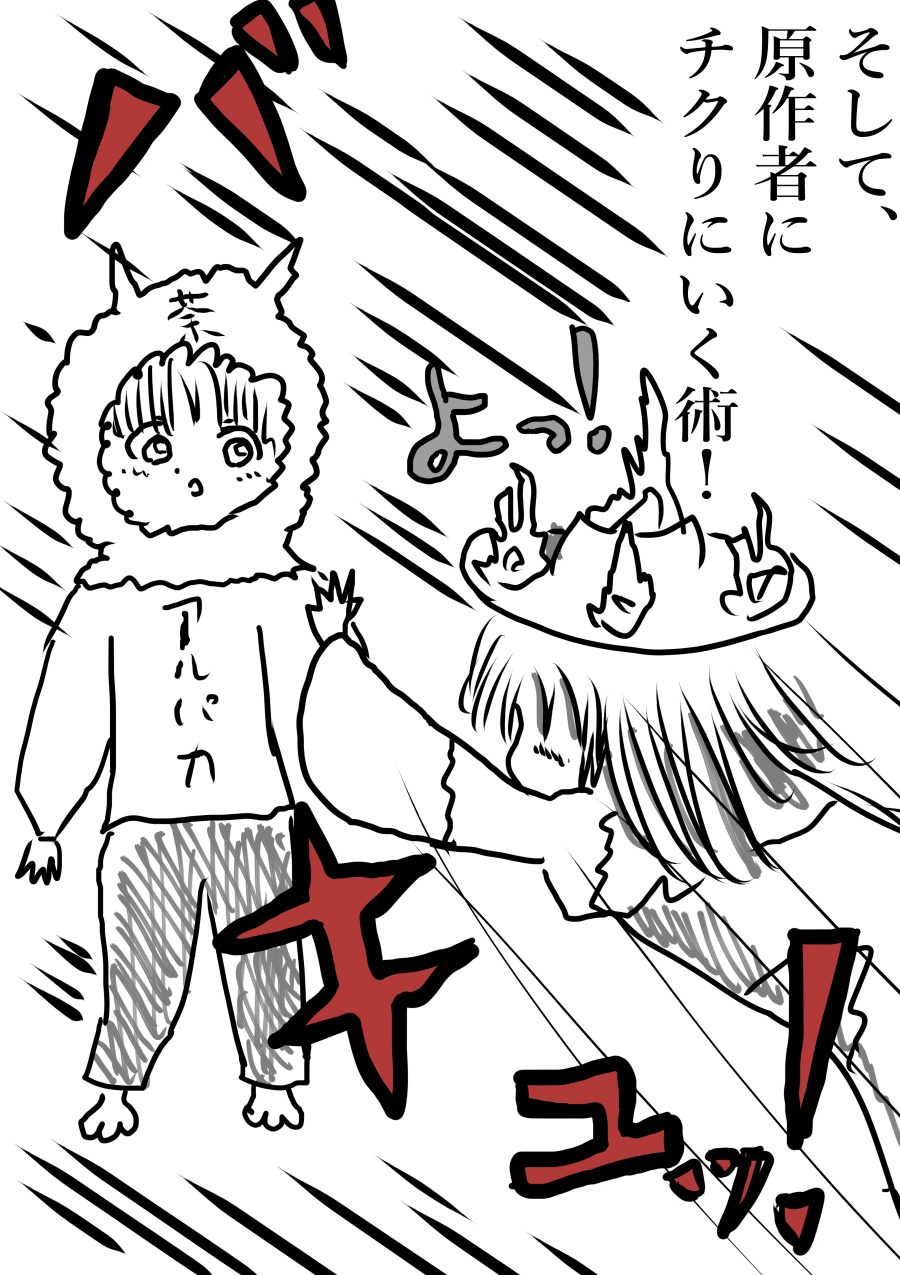
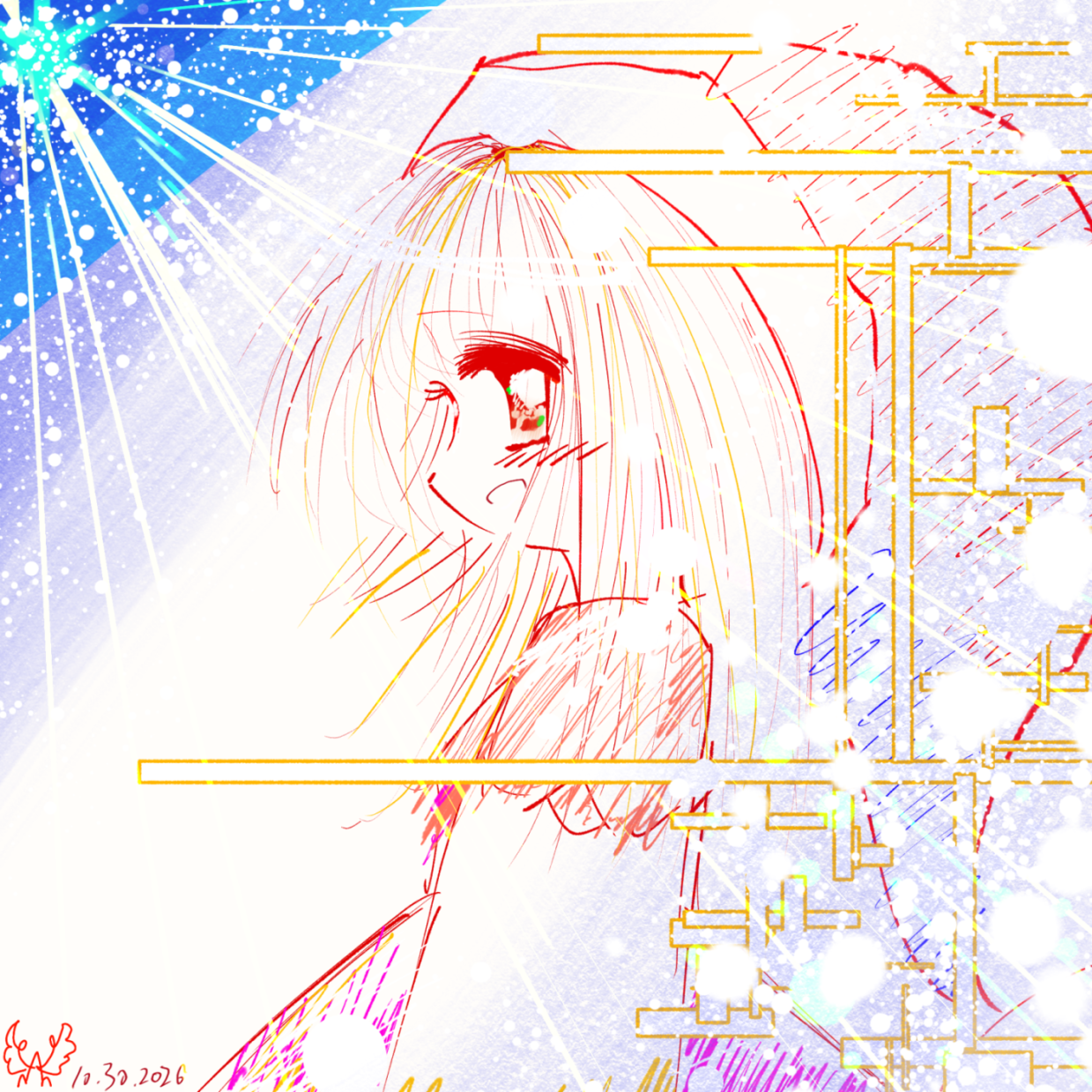
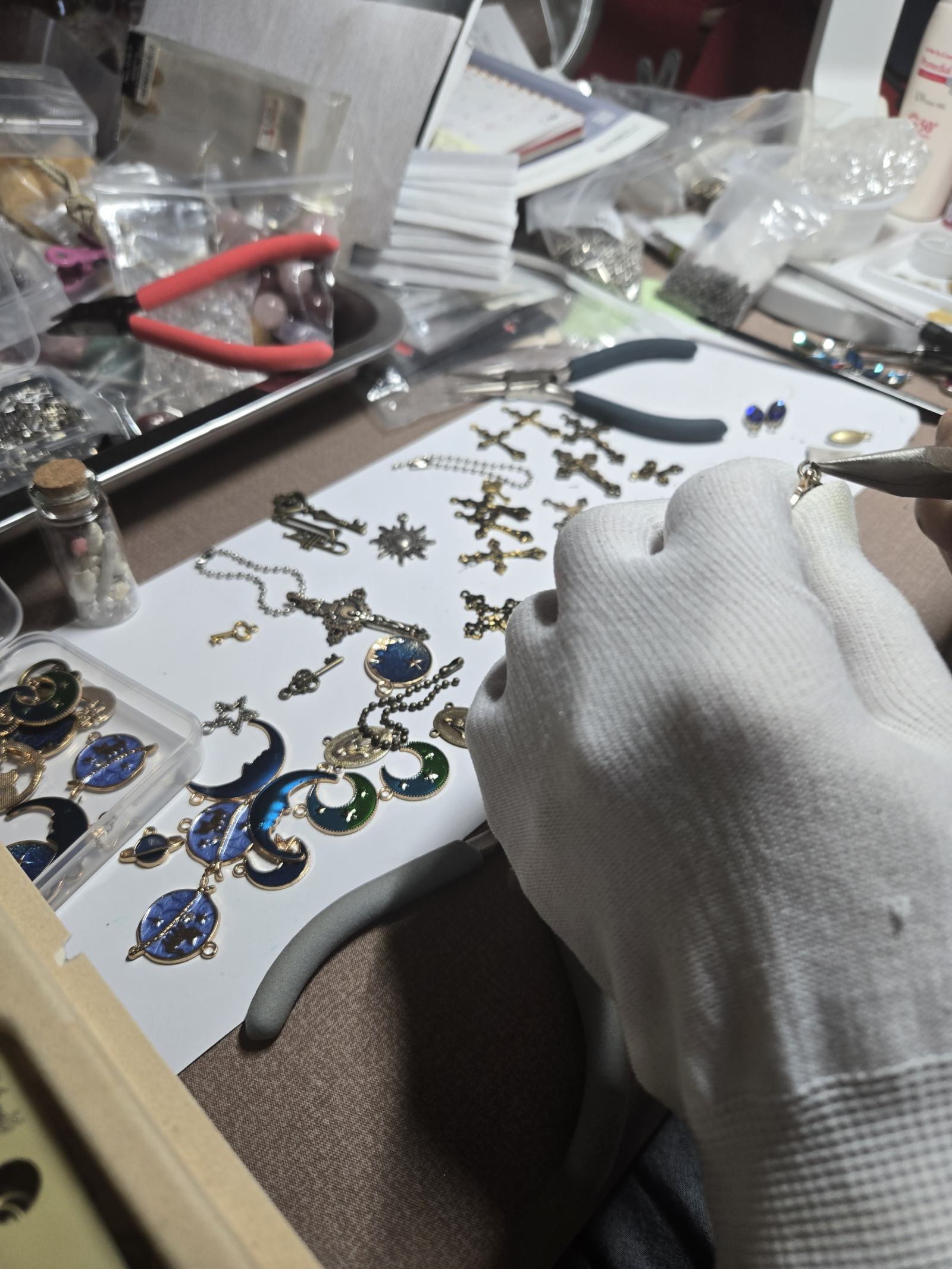
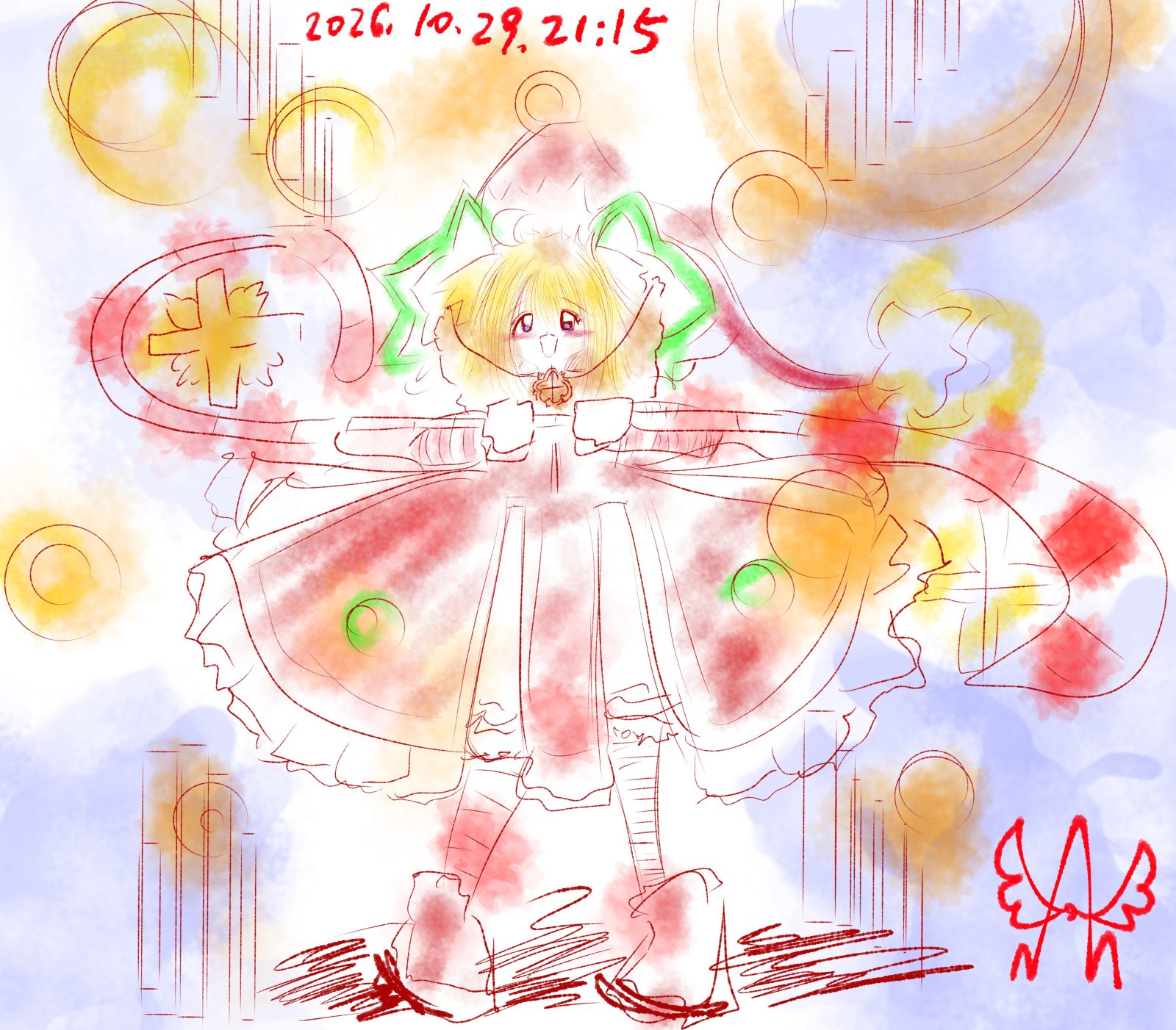
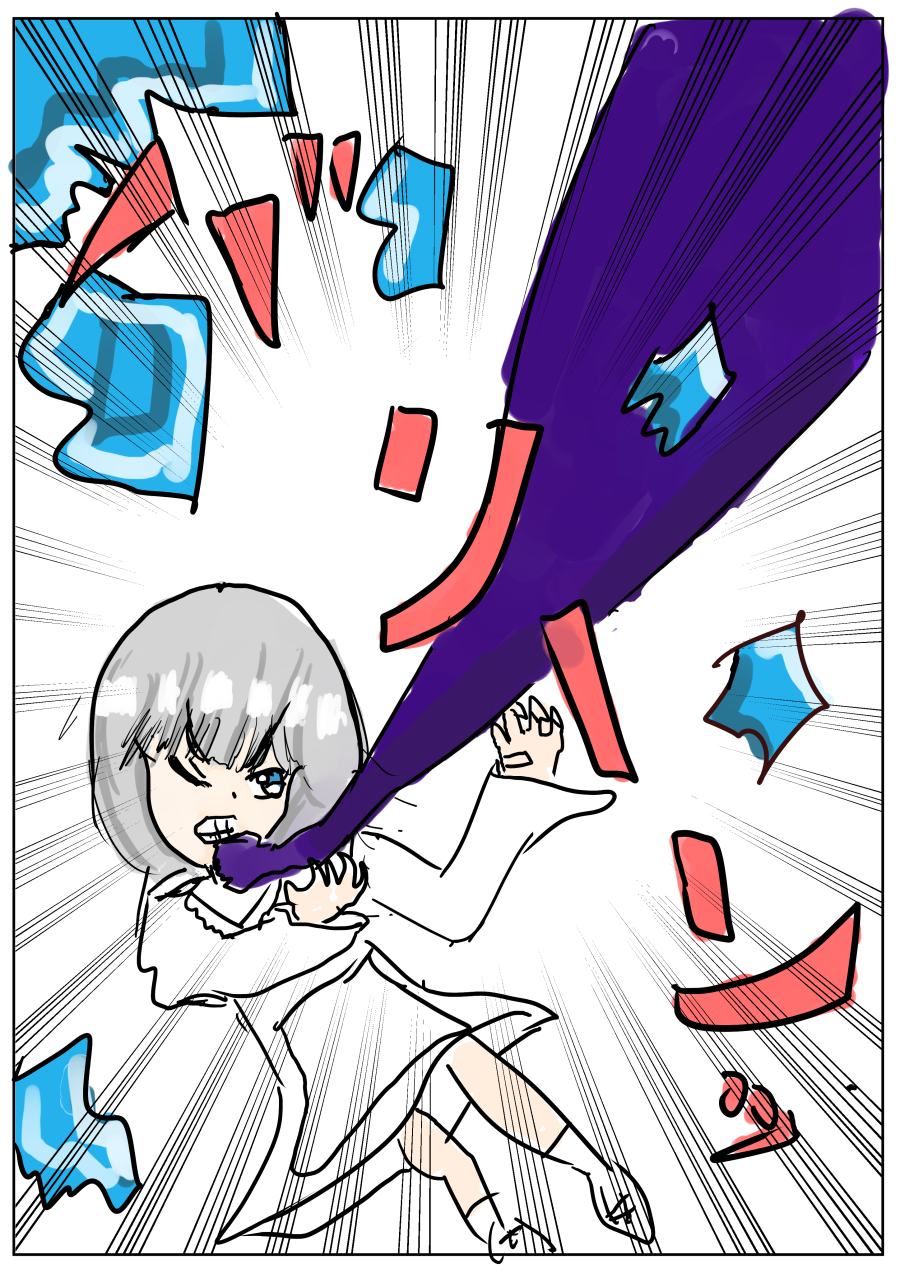
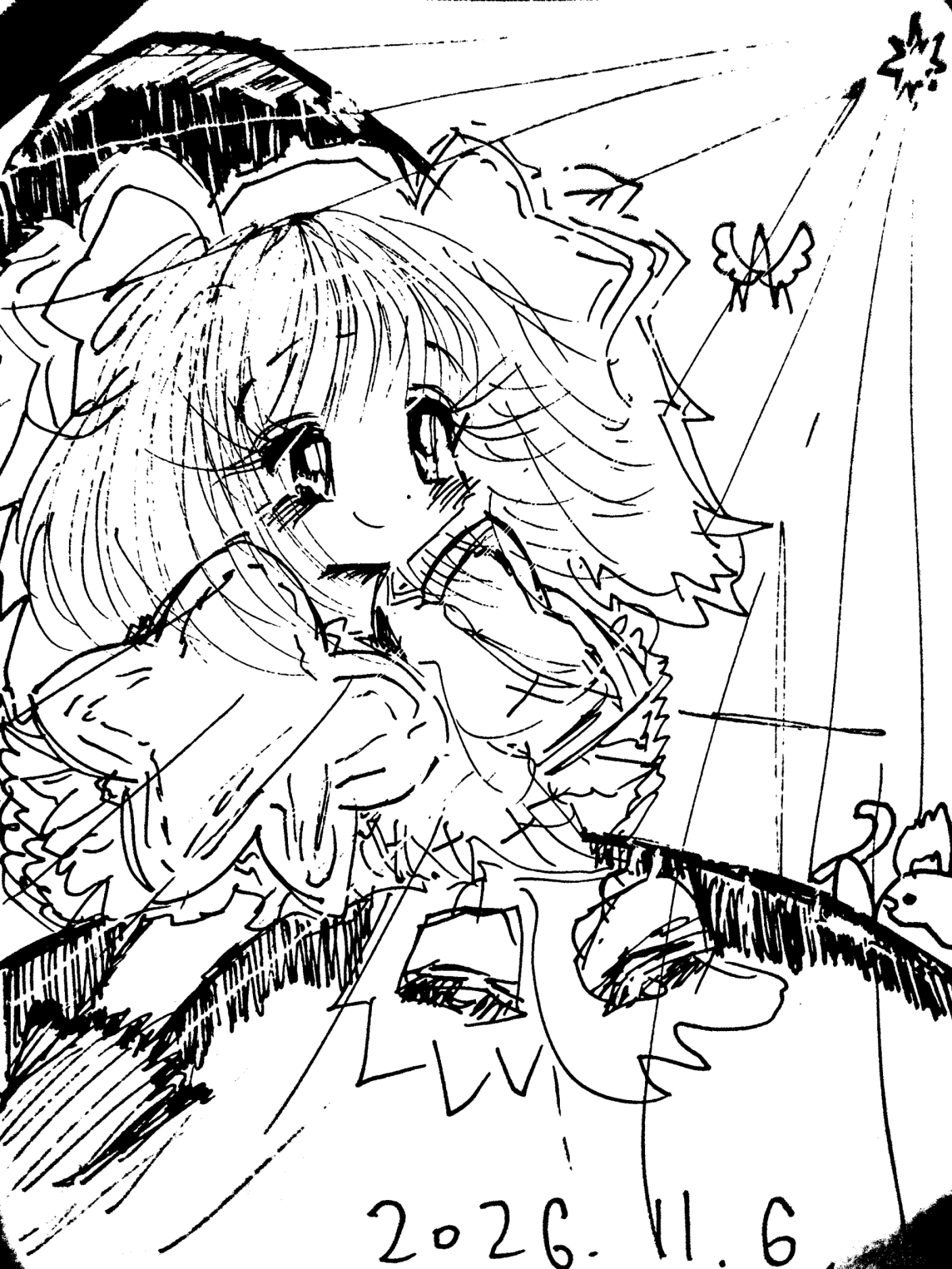
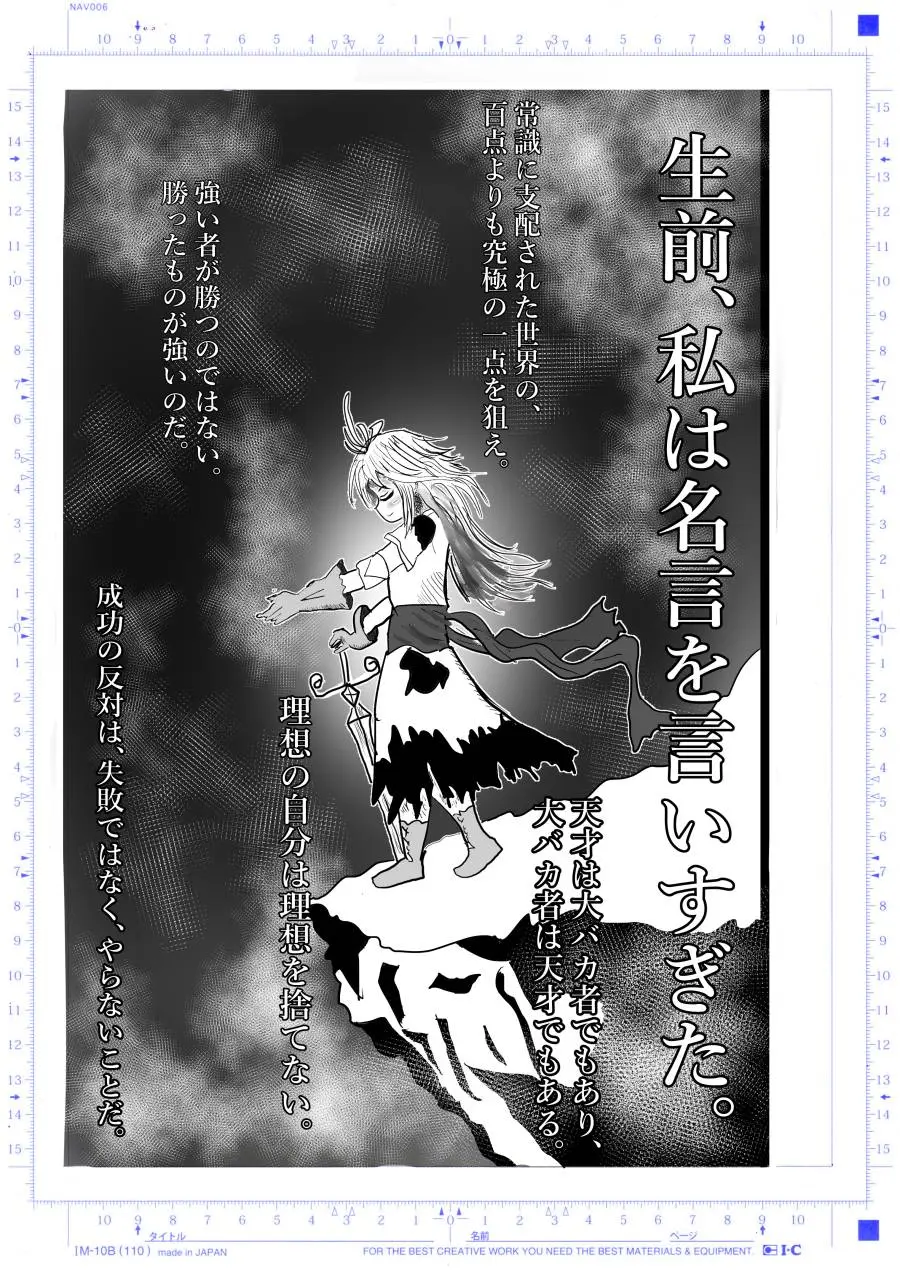
The founder of IHS Bethlehem Church, Ayuki Kurihara, makes pictures, comics, and sacred music as part of the corporation’s work, and these three are the forms our consolation takes. With pictures, we sit with a sick person and draw or paint together—an image of a saint, a remembered place, a flower from the garden—at whatever pace the person can manage, and the person decides what the picture will be. With comics, we make short illustrated stories with the person: they tell, we draw, and together we shape a story in panels, often from the person’s own life or from a passage of Scripture they love. With music, we sing Gregorian chant and simple hymns at the bedside and invite the person to sing with us, to choose the chant, or simply to listen. When the chant choir now being formed is ready, it will come to sing as well.
At IHS Bethlehem Church, we keep a place where pictures, comics, and music are made together with the sick. When a work is finished, we give it to the person who made it with us, and to their family, to keep.